


 PLS Reports Record Lithium Output as EV Demand Fuels Market Growth
  LG Innotek Stock Hits Record High on $68M Automotive Wi-Fi 7 Deal
  Meta Expands AI Training With Employee Activity Tracking Tools
  Kakaku.com Stock Surges on EQT Takeover Interest Amid Rising Japan Deal Activity
  Intel Stock Surges as AI Chip Demand Drives Strong Q2 Forecast
  European Car Sales Surge in March as EV and Hybrid Demand Accelerates
  Florida Launches Criminal Probe Into OpenAI Over FSU Shooting Incident
  SK Hynix Reports Record Q1 Profit Surge Driven by AI Memory Chip Demand
  Florida Investigates OpenAI and ChatGPT Over Alleged Role in FSU Shooting
  SK Hynix to Invest $13 Billion in AI Chip Packaging Facility
  OPmobility Reports Q1 Revenue Dip Amid Automotive Industry Slowdown
  Rising Jet Fuel Costs from Iran Conflict Push Airfare Higher Across Europe
  Tesla Earnings Beat Expectations as EV Growth Holds Amid Robotics and AI Shift
  Organon Stock Surges After Reports of $13 Billion Buyout Bid by Sun Pharma
  Apple Stock Dips as Tim Cook Steps Down, John Ternus Named Next CEO
  Daiichi Sankyo Stock Drops After Earnings Delay and Oncology Review
  Elon Musk Signals Intel 14A Chips for Tesla’s Terafab AI Semiconductor Venture


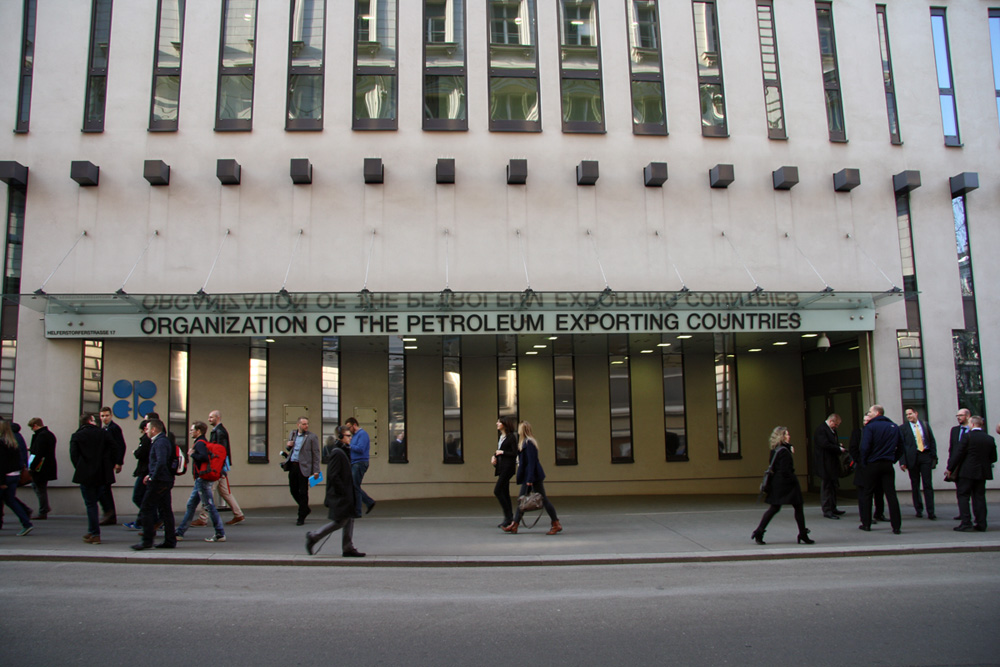
It is no longer news that OPEC has succeeded in getting its member nations to agree to cut their crude oil output in a bid to end the supply glut that has kept oil prices depressed for much of the last three years. OPEC was also able to work out a deal with a consortium of non-OPEC producers such as Russia and Venezuela to cut their production. The supply cuts triggered positive vibes for crude oil and investors were looking forward to booking gains once the output cuts restore a sense of balance to the market.
However, most of the investors that had expected oil prices to book decent gains in response to the output cuts would have had their hopes dashed in the last couple of weeks. The output cut has not done much to end the supply glut and global oil demand continues to be lower than the supply. Of a truth, OPEC has recorded decent compliance levels in the output cut but an increase in U.S. shale oil production continues to keep the oil supply practically unchanged.
Josh Stevenson, an analyst who provides market analysis on Lionexo observes that "he fact that there is yet to be a marked 'correction' in the supply-demand dynamics of oil made it difficult for OPEC's cut to make much of a positive difference in triggering an increase in oil prices." On the contrary, oil prices have fallen sharply below the pre-output-cut levels as seen in the chart below.
The chart above shows how oil prices have fared since OPEC announced its supply cut last year until date. The global crude oil benchmark, the Brent crude has declined by 4.30% to around $50.10 per barrel. The U.S. West Texas Intermediate has declined by a massive 7.25% to around $47.95 per barrel.
OPEC is open to extending cuts to rescue oil prices
Two weeks ago, there were indications that OPEC's deal to cut oil prices was falling out after Saudi Arabia's energy minister, Khalid al-Falih started riling other participants in the deal for not keeping their ends of the bargain. Saudi Arabia has reduced its output by 300,000 barrels per day more than its promised cuts; hence, the kingdom had the moral right to be indignant that other countries are not picking up the slack. Falih had said that the Kingdom won't“bear the burden of free riders.”
However, Falih has started warming up to the idea of extending the supply cut in the hopes of triggering an uptrend in oil prices. OPEC's next meeting is billed to hold on May 25 in Vienna, Austria and analysts are already speculating on the possibility that OPEC will deepen its cuts above 1.2 million barrels or extend the cuts beyond six months.
Falih notes that OPEC is committed to cutting supply as much as necessary until there's an uptrend in oil prices. In his words, “my conversation with colleagues from OPEC and outside OPEC gives me a high degree of confidence that the impressive performance we have seen will improve.”
The increase in output from U.S. shale oil producers has practically negated the expected effects of OPEC's production cut. However, U.S. shale producers can't continue to increase their output indefinitely. Hence, oil prices can start climbing up if OPEC can pull off another deal in which members agree to deepen or extend the production cuts.







