


 Trump Says “Very Good Talks” Underway on Russia-Ukraine War as Peace Efforts Continue
  Japan Election 2026: Sanae Takaichi Poised for Landslide Win Despite Record Snowfall
  China Overturns Death Sentence of Canadian Robert Schellenberg, Signaling Thaw in Canada-China Relations
  U.S. Lawmakers to Review Unredacted Jeffrey Epstein DOJ Files Starting Monday
  Trump Lifts 25% Tariff on Indian Goods in Strategic U.S.–India Trade and Energy Deal
  Bosnian Serb Presidential Rerun Confirms Victory for Dodik Ally Amid Allegations of Irregularities
  Ghislaine Maxwell to Invoke Fifth Amendment at House Oversight Committee Deposition
  Federal Judge Restores Funding for Gateway Rail Tunnel Project
  Trump Allows Commercial Fishing in Protected New England Waters
  Nicaragua Ends Visa-Free Entry for Cubans, Disrupting Key Migration Route to the U.S.
  Ohio Man Indicted for Alleged Threat Against Vice President JD Vance, Faces Additional Federal Charges
  New York Legalizes Medical Aid in Dying for Terminally Ill Patients
  China Warns US Arms Sales to Taiwan Could Disrupt Trump’s Planned Visit
  Israel Approves West Bank Measures Expanding Settler Land Access
  Taiwan Says Moving 40% of Semiconductor Production to the U.S. Is Impossible
  Anutin’s Bhumjaithai Party Wins Thai Election, Signals Shift Toward Political Stability
  Trump Administration Appeals Court Order to Release Hudson Tunnel Project Funding


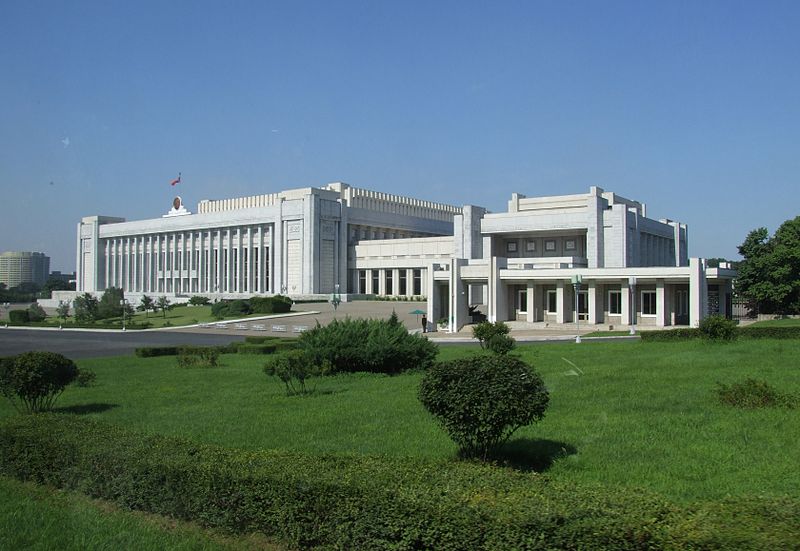
The North Korean rubber stamp parliament held a session this week to pass legislation aimed at turning the isolated nation into a “socialist fairyland.” Lawmakers in session adopted legislation for the country’s rural development and landscaping.
North Korean state media KCNA reported Thursday that the North Korean Supreme People’s Assembly convened for its first session Wednesday, passing laws aimed at landscaping and rural development.
The two laws will advance the ruling Workers Party’s efforts to bring significant change to the rural community and the law on landscaping would “achieve a rapid development of the Korean-style socialist rural community and spruce up the country into a beautiful and civilized socialist fairyland,” according to a deputy.
North Korean leader Kim Jong-un was not present during the session but has previously vowed to improve the North Korean people’s livelihoods and bolster rural development in the face of an economic crisis caused by the COVID-19 pandemic, natural disasters, and international sanctions due to the nation’s nuclear program.
Analysts say that Kim has yet to deliver on many of his economic promises as aid organizations warned of food shortages and other hardships. In a report by 38 North, Kim’s pledge to rebuild a province devastated by the typhoon to transform it into a model mining community has seen little progress.
The United States has also accused North Korea of using its resources for military projects instead of helping its people. Washington has also alleged that Pyongyang was selling arms and ammunition to Russia to help Moscow in its war with Ukraine.
Aside from laws to further develop and beautify the nation, the North Korean parliament also passed legislation that would grant the nation the right to use pre-emptive nuclear strikes to defend itself. Kim said the move would make its nuclear weapons status “irreversible” and would prevent any denuclearization talks, according to KCNA Friday.
The new law also comes as the US, South Korea, and Japan have expressed concerns that Pyongyang was gearing up for its first nuclear test since 2017. The legislation replaced a 2013 law that outlined the country’s nuclear status.
“The utmost significance of legislating nuclear weapons policy is to draw an irretrievable line so that there can be no bargaining over our nuclear weapons,” said Kim in remarks to the assembly, adding that he has no plans to surrender the weapons even if the country faces 100 years of sanctions.













