


 Trump Says “Very Good Talks” Underway on Russia-Ukraine War as Peace Efforts Continue
  Anutin’s Bhumjaithai Party Wins Thai Election, Signals Shift Toward Political Stability
  US Pushes Ukraine-Russia Peace Talks Before Summer Amid Escalating Attacks
  Trump Lifts 25% Tariff on Indian Goods in Strategic U.S.–India Trade and Energy Deal
  Trump Slams Super Bowl Halftime Show Featuring Bad Bunny
  Ohio Man Indicted for Alleged Threat Against Vice President JD Vance, Faces Additional Federal Charges
  Sydney Braces for Pro-Palestine Protests During Israeli President Isaac Herzog’s Visit
  Jack Lang Resigns as Head of Arab World Institute Amid Epstein Controversy
  Japan’s Prime Minister Sanae Takaichi Secures Historic Election Win, Shaking Markets and Regional Politics
  Israel Approves West Bank Measures Expanding Settler Land Access
  India–U.S. Interim Trade Pact Cuts Auto Tariffs but Leaves Tesla Out
  Trump Administration Appeals Court Order to Release Hudson Tunnel Project Funding
  New York Legalizes Medical Aid in Dying for Terminally Ill Patients
  Trump Congratulates Japan’s First Female Prime Minister Sanae Takaichi After Historic Election Victory
  China Warns US Arms Sales to Taiwan Could Disrupt Trump’s Planned Visit
  Bangladesh Election 2026: A Turning Point After Years of Political Suppression
  U.S.-India Trade Framework Signals Major Shift in Tariffs, Energy, and Supply Chains


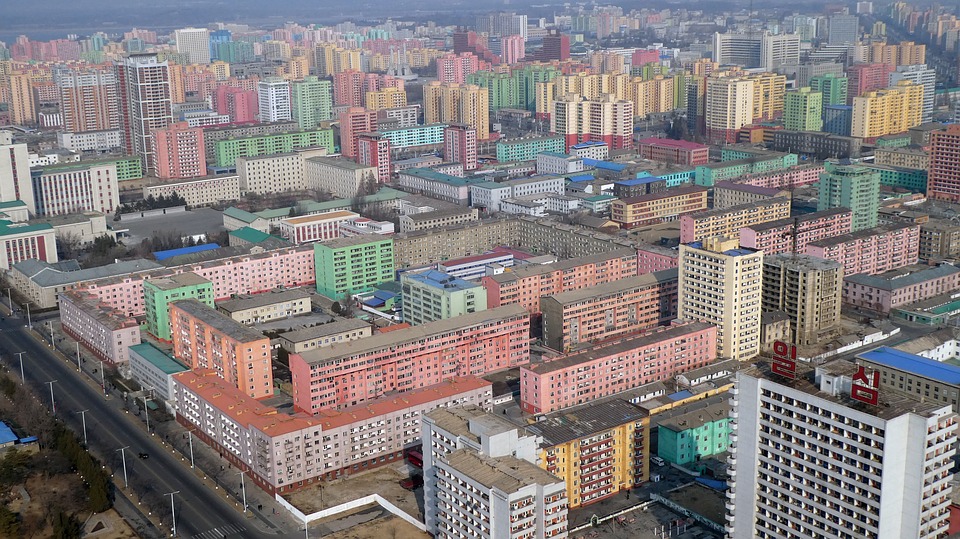
While North Korea claims to have moved forward from COVID-19 following an outbreak in recent months, a United Nations assessment found that the efforts to contain the virus may have violated human rights. The report found that the restrictions imposed by Pyongyang likely worsened human rights violations.
The United Nations human rights office in Seoul published its report Thursday on North Korea’s efforts to contain the coronavirus. The report found that Pyongyang’s COVID-19 restrictions only worsened its human rights violations.
In interviews with North Korean defectors along with information from other UN agencies, the report found that North Korea’s border closure in 2020 added to restrictions on access to outside information. Authorities were reinforcing military presence, fences, and closed-circuit television cameras and motion detectors along the border.
The report also found that North Korea also adopted the use of digital watermarking and hardware modification to conduct surveillance and restrict access to foreign media content, as well as jamming radio frequencies from outside the country.
The report said such measures “made it more difficult for information to enter the country, such as through the distribution of USB memory sticks and micro SD cards.”
North Korea has long rejected the accusations of human rights violations and criticized UN probes on its COVID-19 situation, claiming that it is a US-backed plot to interfere in its internal affairs.
The report also said the outbreak could have worsened North Koreans’ access to food and healthcare due to the country’s lack of medical infrastructure.
Friday last week, North Korea said the fever cases reported near the border it shares with China were patients with the flu, according to state media. This follows Pyongyang’s claim the day before that it locked down the area and mobilized medical teams after four fever cases were reported from Ryanggang province, but that it was not COVID-19.
While North Korea has never confirmed how many people were infected with COVID-19, it has only reported daily numbers of people suffering from fever which totaled around 4.77 million, and that there were no new cases as of July 29.
In a separate report by North Korean state media outlet KCNA, a Russian state media interview with its ambassador to North Korea, Alexandr Matsegora, said that it was possible the virus came from China instead of anti-North Korea leaflets flown over the border from South Korea.













