


 Bessent Urges Allies to Crack Down on Iran Financing Networks
  Vance Says Delayed Poland Troop Deployment Is Not a U.S. Withdrawal From Europe
  Trump Signals Possible New U.S. Strike on Iran as Nuclear Talks Continue
  Erdogan Welcomes Extended Iran Ceasefire in Call With Trump
  US Expands Criminal Investigation Into Nicolas Maduro With New Florida Probe
  Trump Delays Iran Strike as Peace Talks Continue, Markets Watch Strait of Hormuz Closely
  Raul Castro Indicted by U.S.: Cuba’s Revolutionary Leader Faces Renewed Scrutiny in 2026
  Georgia GOP Senate Primary Heads to Runoff as Collins and Dooley Advance
  Rubio to Push NATO Defense Spending, Strengthen India Ties During Key Diplomatic Tour
  TrumpRx Expands Discount Drug Access With 600 Generic Medications
  Flavio Bolsonaro Admits Meeting Banco Master Owner Amid Brazil Election Turmoil
  Trump Administration to Announce Charges Against Raul Castro Over 1996 Cuba Shootdown
  Venezuela to Release 300 Prisoners Amid Ongoing Human Rights Debate
  Kast Reshuffles Cabinet as Chile Pushes Tougher Security Agenda
  US Senate Advances Iran War Powers Resolution in Rare Rebuke to Trump
  China to Buy 200 Boeing Jets, Push for Extended U.S. Trade Deal
  Trump Warns Iran of Renewed Action as Nuclear Deal Talks Stall


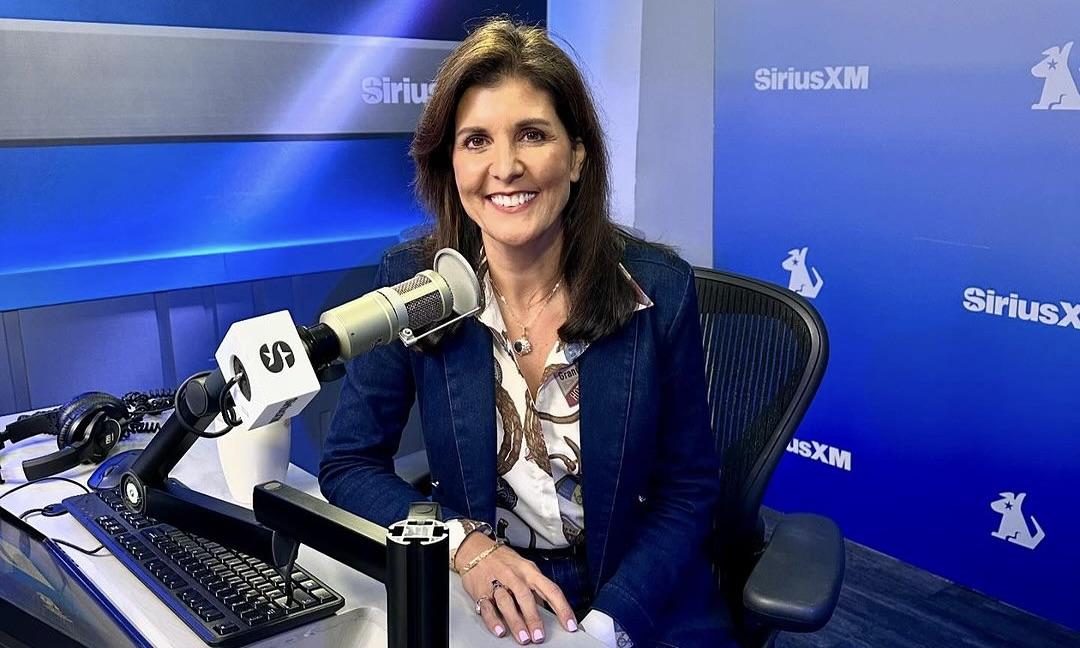
In a recent broadcast of her SiriusXM program, former U.N. Ambassador Nikki Haley vehemently criticized President-elect Donald Trump's nomination of Tulsi Gabbard as Director of National Intelligence (DNI). Haley expressed strong disapproval of Gabbard's past interactions with Syrian President Bashar al-Assad and questioned her suitability for the intelligence role.
Haley's Critique of Gabbard's Assad Meeting
Haley labeled Gabbard's 2017 meeting with Assad as "disgusting," highlighting the controversy surrounding the encounter. At the time, Gabbard, then a Democratic congresswoman from Hawaii, faced bipartisan criticism for engaging with Assad, whose regime has been accused of human rights violations.
Concerns Over Foreign Sympathies
Haley further asserted that the DNI position "is not a place for a Russian, Iranian, Syrian, Chinese sympathizer," implying that Gabbard's foreign policy stances could compromise U.S. intelligence operations. Gabbard has previously been scrutinized for her positions on U.S. involvement in Syria and her skepticism toward certain intelligence assessments.
Haley's Remarks on RFK Jr.
In the same broadcast, Haley referred to Robert F. Kennedy Jr., another of Trump's nominees, as "a liberal Democrat." Kennedy, known for his environmental activism and controversial views on vaccines, has been nominated to lead the Department of Health and Human Services. Haley's comment underscores the ideological differences between Kennedy and mainstream Republican positions.
Public Reaction
Haley's statements have ignited a flurry of responses on social media:
-
@PatriotWatchdog: "Haley is right. We need leaders who prioritize American interests, not foreign adversaries."
-
@DiverseVoices: "Labeling someone a 'sympathizer' without evidence is reckless. We need unity, not division."
-
@PolicyAnalyst2024: "Haley's concerns are valid. The integrity of our intelligence community is paramount."
Gabbard's Response
Tulsi Gabbard has defended her meeting with Assad, stating it was part of a fact-finding mission aimed at understanding the complexities of the Syrian conflict. She has consistently advocated for a non-interventionist foreign policy and has criticized U.S. efforts at regime change.
Conclusion
Nikki Haley's outspoken criticism of Tulsi Gabbard's nomination as DNI highlights the internal debates within the Republican Party regarding foreign policy and national security appointments. As the confirmation process unfolds, these discussions are likely to influence the direction of U.S. intelligence and diplomatic strategies.







