


 Georgia GOP Senate Primary Heads to Runoff as Collins and Dooley Advance
  Erdogan Welcomes Extended Iran Ceasefire in Call With Trump
  US Expands Criminal Investigation Into Nicolas Maduro With New Florida Probe
  Trump Administration to Reduce NATO Military Commitments in Europe
  Trump Warns Iran of Renewed Action as Nuclear Deal Talks Stall
  Canada Condemns Israel Over Gaza Flotilla Activists as Tensions Escalate
  Vance Says Delayed Poland Troop Deployment Is Not a U.S. Withdrawal From Europe
  Raul Castro Indicted by U.S.: Cuba’s Revolutionary Leader Faces Renewed Scrutiny in 2026
  NATO Split Over Potential Strait of Hormuz Mission as Alliance Awaits Political Consensus
  Xi and Putin Summit in Beijing Signals Stronger China-Russia Alliance
  Venezuela to Release 300 Prisoners Amid Ongoing Human Rights Debate
  Trump Administration to Announce Charges Against Raul Castro Over 1996 Cuba Shootdown
  Russia Downs Drones Near Moscow as Airstrikes Hit Ukraine’s Izmail Port
  China to Buy 200 Boeing Jets, Push for Extended U.S. Trade Deal
  Rubio to Push NATO Defense Spending, Strengthen India Ties During Key Diplomatic Tour
  US Senate Advances Iran War Powers Resolution in Rare Rebuke to Trump
  Vance and Rubio Intensify 2028 Republican Succession Battle Amid Trump Approval Slide


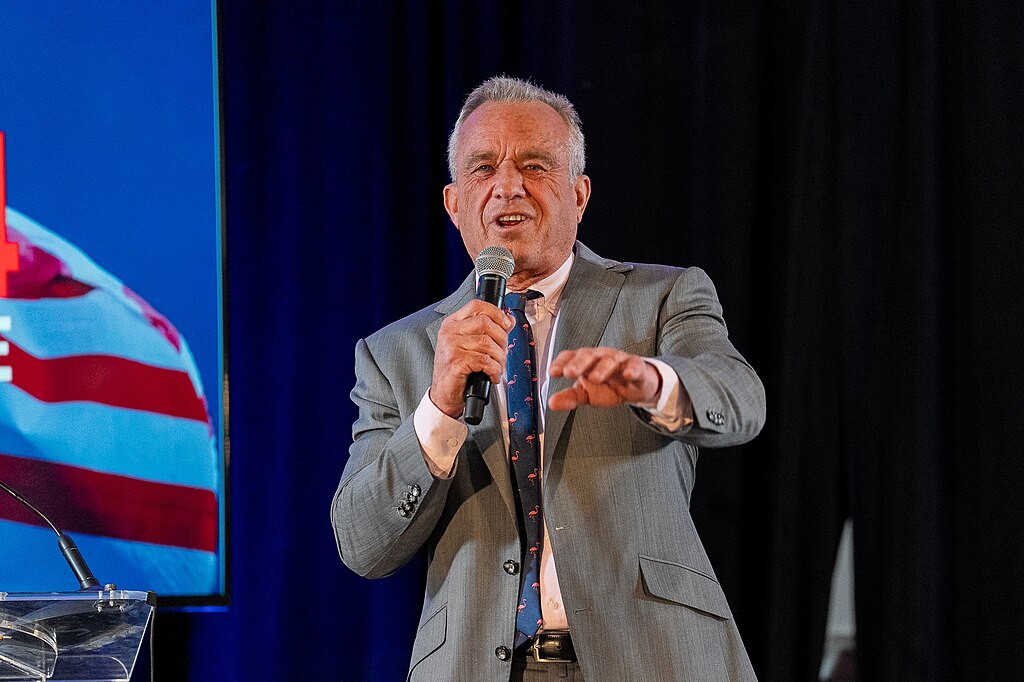
Robert F. Kennedy Jr., recently nominated by President-elect Donald Trump as Secretary of Health and Human Services (HHS), is reportedly vetting candidates for key positions within the U.S. Department of Agriculture (USDA). This move suggests a significant shift in agricultural policy under the incoming administration.
Kennedy's Involvement in USDA Appointments
Kennedy, known for his environmental activism and critical views on modern agricultural practices, is actively participating in the selection process for USDA leadership roles. His involvement indicates a potential alignment between HHS and USDA policies, focusing on health, nutrition, and sustainable farming practices.
Potential Candidates and Policy Implications
Among the names being considered is Jimmy Emmons, a proponent of regenerative agriculture. Emmons' potential appointment aligns with Kennedy's advocacy for sustainable farming methods and reduced reliance on chemical inputs. Such appointments could lead to substantial changes in USDA policies, emphasizing environmental sustainability and public health.
Industry Reactions
The agricultural sector has expressed mixed reactions to Kennedy's involvement:
-
Supporters argue that a focus on sustainable practices is necessary to address environmental concerns and improve public health outcomes.
-
Critics contend that drastic policy shifts could disrupt current farming operations and negatively impact food production and prices.
Some industry stakeholders are concerned about Kennedy's previous statements criticizing conventional farming methods, fearing potential regulatory overreach.
Public Response
The news has sparked a range of reactions on social media:
-
@GreenAgAdvocate: "Excited to see RFK Jr. bringing sustainable practices to the forefront of USDA policies."
-
@FarmersFirst: "Worried that radical changes could harm traditional farming and our livelihoods."
-
@HealthNut2024: "Aligning HHS and USDA under RFK Jr. could lead to healthier food systems for all."
Political Context
Kennedy's involvement in USDA appointments reflects the Trump administration's broader strategy to integrate health and agriculture policies. This approach aims to address chronic health issues through dietary guidelines and farming practices. However, it also raises questions about the balance between innovation and regulation in the agricultural sector.
Conclusion
Robert F. Kennedy Jr.'s active role in vetting USDA appointees signals a potential transformation in U.S. agricultural policy, emphasizing sustainability and public health. As the administration finalizes its appointments, the agricultural community and the public await the implications of these changes on farming practices and food systems nationwide.







