


 BOJ Flags Import Costs and Yen Shocks as Persistent Inflation Risks
  BOJ Set for Rate Hike as Inflation and Yen Pressure Mount
  South Korea Exports Set for 16th Monthly Gain on AI Chip Demand
  RBA Says ASX Still Falls Short on Governance and Risk Controls
  Fed’s Hammack Says Bond Yield Surge Is Not Driven by Inflation Fears
  RBA Hikes Interest Rate to 4.60% as Inflation Risks Rise
  Asian Stocks Rise as Chipmakers Rally on Micron Earnings
  US Alcohol Ban Exposes Canada’s Internal Trade Barriers
  Gold Plunges 4% as Treasury Yields Surge and Fed Rate Hike Bets Rise
  Yen Sinks as BOJ Rate Hike Fails to Impress Markets
  Fed Unveils Stablecoin Rules Under GENIUS Act
  Japan Warns Markets Over Yen Weakness
  UK Housebuilder Stocks Surge on New First-Time Buyer Loan Scheme


 Add as a preferred source on Google
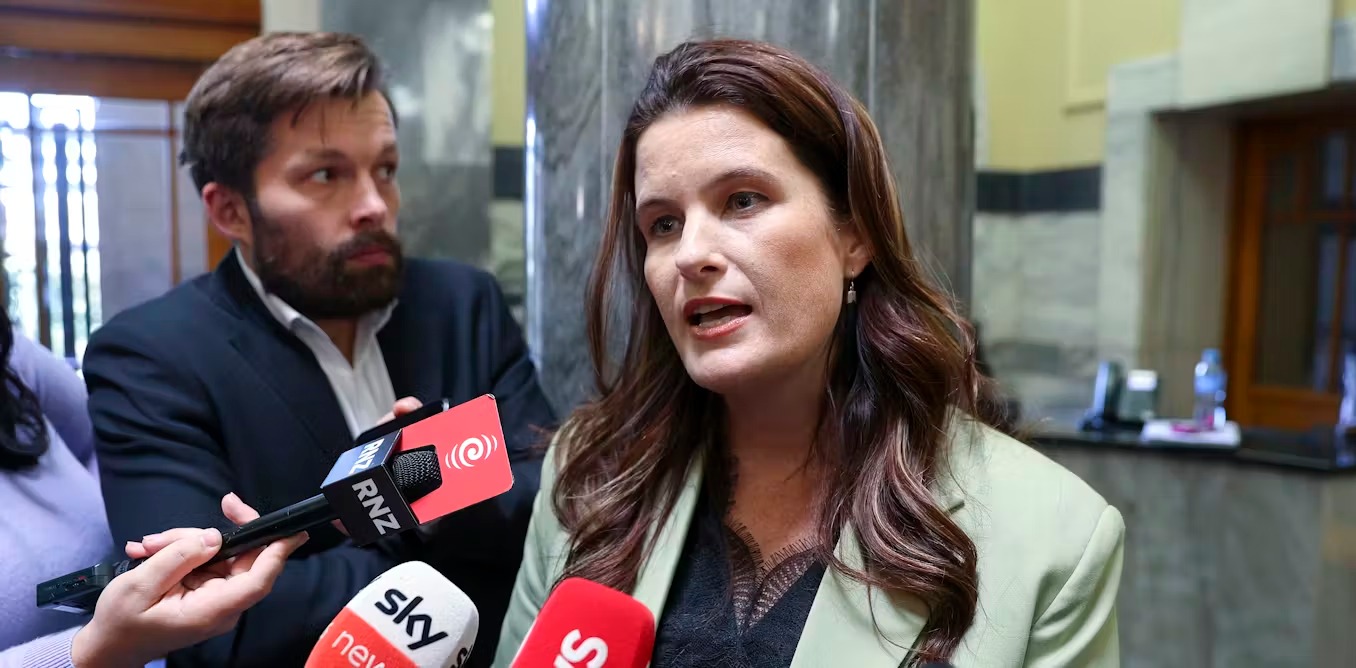
New Zealand Finance Minister Nicola Willis is calling on the Reserve Bank of New Zealand (RBNZ) to increase the frequency of its monetary policy meetings, raising concerns over the long gaps between decisions—particularly the 12-week summer break.
While the final decision lies with the RBNZ, Willis stated on Tuesday that she believes the Monetary Policy Committee should meet more often. "My view is that the committee should meet more frequently," she said in a statement, first reported by Bloomberg. "I think the Reserve Bank should return to meeting eight times a year."
The RBNZ reduced its policy meetings from eight to seven annually in 2016, allowing for a prolonged break at year-end. This extended gap has drawn criticism, especially as central banks in the UK, US, Canada, and Australia meet more frequently.
Willis expressed concern that the lengthy break may limit the central bank’s flexibility in responding to economic shifts. At the end of 2023, some economists warned that the RBNZ may have felt compelled to take more aggressive monetary actions than necessary due to the long wait between meetings, possibly increasing the risk of policy missteps.
To support her stance, Willis has requested advice from the Treasury on the appropriate frequency for central bank meetings, signaling the government’s growing interest in more agile monetary policymaking.
The call for change comes amid broader discussions on how central banks can stay responsive in an evolving economic environment. Increased meeting frequency could enhance the RBNZ’s ability to respond swiftly to inflation, recession risks, and global economic shocks—improving market confidence and financial stability.







