


 SpaceX IPO Filing Expected This Week as Valuation Could Surpass $75 Billion
  Delivery Hero Sells Taiwan Foodpanda to Grab for $600 Million in Debt-Reduction Push
  Citi Names Eric Farina and Rob Cascarino to Lead Global Infrastructure Financing Group
  U.S. Appeals Court Strikes Down FTC Order Against TurboTax "Free" Advertising
  SLMG Beverages Eyes Price Hikes Amid Rising Packaging Costs and India's Booming Soft Drink Market
  Elliott Investment Management Takes Multibillion-Dollar Stake in Synopsys
  Explosion and Fire Erupt at Valero Oil Refinery in Port Arthur, Texas
  Berkshire Hathaway and Tokio Marine Form Major Strategic Insurance Partnership
  Air Canada Express Crash at LaGuardia: Controller Distracted by Prior Emergency
  Elon Musk Announces Terafab: SpaceX and Tesla to Build Dual AI Chip Factories in Austin, Texas
  Volkswagen CEO Urges Germany to Adopt China's Industrial Discipline Amid Major Restructuring
  Merck's $6 Billion Bid for Terns Pharma Signals Bold Oncology Push
  NVIDIA's Feynman AI Chip May Face Redesign Amid TSMC Capacity Crunch
  Nintendo Switch 2 Production Cut as Holiday Sales Miss Targets
  Goldman Sachs Raises ECB Rate Hike Forecast Amid Persistent Energy-Driven Inflation
  Golden Dome Missile Defense: Anduril and Palantir Join Forces on Trump's $185B Space Shield


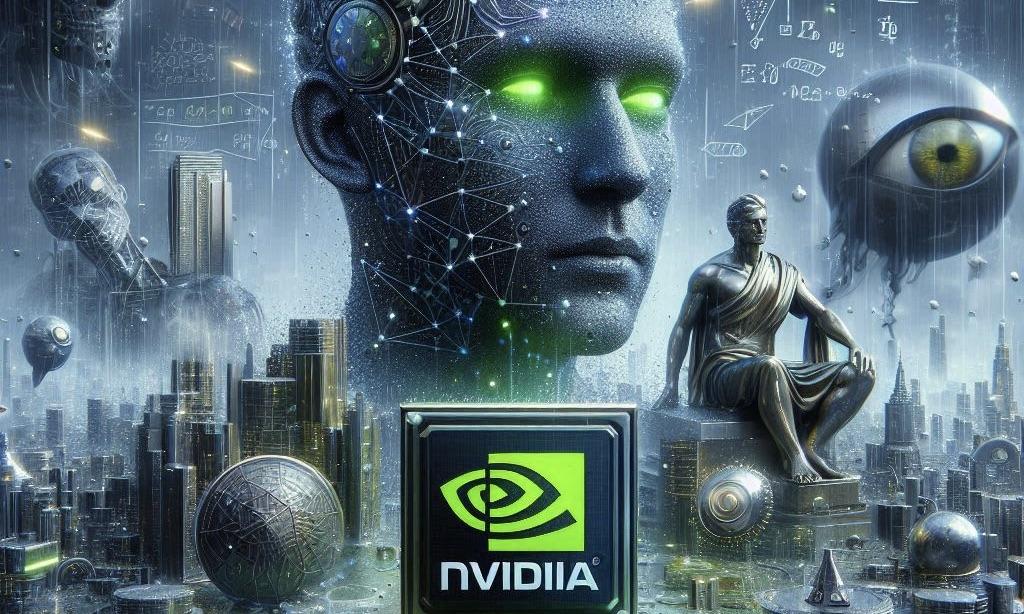
Despite NVIDIA's $530 billion market cap loss, game theory indicates that the AI spending race among tech giants like Microsoft, Amazon, and Google is far from over, suggesting that the so-called AI bubble hasn't burst.
NVIDIA's Market Cap Falls $530 Billion, But Game Theory Suggests AI Spending Will Persist
With NVIDIA, the indisputable poster child of the ongoing AI mania, reaching its lowest price level in around two months on July 26, skeptics have declared that the AI bubble has burst. However, the increasing CapEx driven by game theory suggests otherwise.
Despite the recent correction in NVIDIA shares, which resulted in a market cap loss of approximately $530 billion, from a peak of around $3.335 trillion in June to $2.820 trillion recently, it's important to note that the rest of the Magnificent 7 mega-cap stocks have shown resilience. There has been a rotation from the tech-heavy Nasdaq 100 index into small-cap stocks, but this is not a sign of a complete market shift. Some analysts, including Hargreaves Lansdown's head of equity funds, Steve Clayton, have quickly pronounced the end of the AI bubble, but the tech industry's resilience suggests otherwise.
The crux of this bearish outlook lies in the disconnect between soaring AI-related CapEx and its minimal impact on revenue acceleration. Goldman Sachs recently highlighted this issue, questioning the benefits of rampant growth in AI-related CapEx. MIT professor Daron Acemoglu stated that AI would impact less than 5 percent of all productive tasks in the US over the next decade.
Tech Giants Relentlessly Invest in AI Amid Fears of Falling Behind, Driven by Strategic Game Theory
Despite the concerns about the AI bubble, it's essential to understand that the corporate giants are not slowing their AI-related spending for strategic reasons. In recent hours, the CEOs of Meta and Google have emphasized their fear of falling behind in the AI arms race if they scale back spending.
This strategic thinking drives relentless expenditure, which can be better understood through a game theory analysis by Sequoia Capital. According to Wccftech, this analysis describes a cycle of competitive escalation among Microsoft, Amazon, and Google, driven by the fear of being left out. This strategic approach should instill confidence in the audience about the tech giants' decision-making.
This defensive stance is primarily to protect their competitive advantage and market position. These cash-rich behemoths can afford large write-offs and aggressively invest in AI infrastructure to safeguard their dominance. Additionally, unbridled AI optimism is fueling explosive CapEx growth as companies believe innovation in AI will outpace current infrastructure development.
Given the recent comments from the CEOs of Google and Meta, it is unlikely that this AI arms race will end soon. The ongoing weakness in NVIDIA and other Magnificent 7 stocks will likely be temporary until these mega-caps stop outspending each other.













