


 Trump Signs “America First Arms Transfer Strategy” to Prioritize U.S. Weapons Sales
  Trump Signs Executive Order Threatening 25% Tariffs on Countries Trading With Iran
  Trump Backs Nexstar–Tegna Merger Amid Shifting U.S. Media Landscape
  Ghislaine Maxwell to Invoke Fifth Amendment at House Oversight Committee Deposition
  China Warns US Arms Sales to Taiwan Could Disrupt Trump’s Planned Visit
  Ohio Man Indicted for Alleged Threat Against Vice President JD Vance, Faces Additional Federal Charges
  New York Legalizes Medical Aid in Dying for Terminally Ill Patients
  Jack Lang Resigns as Head of Arab World Institute Amid Epstein Controversy
  Japan Election 2026: Sanae Takaichi Poised for Landslide Win Despite Record Snowfall
  Trump Lifts 25% Tariff on Indian Goods in Strategic U.S.–India Trade and Energy Deal
  Anutin’s Bhumjaithai Party Wins Thai Election, Signals Shift Toward Political Stability
  Trump Allows Commercial Fishing in Protected New England Waters
  Federal Judge Restores Funding for Gateway Rail Tunnel Project
  U.S. Lawmakers to Review Unredacted Jeffrey Epstein DOJ Files Starting Monday
  Nicaragua Ends Visa-Free Entry for Cubans, Disrupting Key Migration Route to the U.S.
  Netanyahu to Meet Trump in Washington as Iran Nuclear Talks Intensify
  US Pushes Ukraine-Russia Peace Talks Before Summer Amid Escalating Attacks


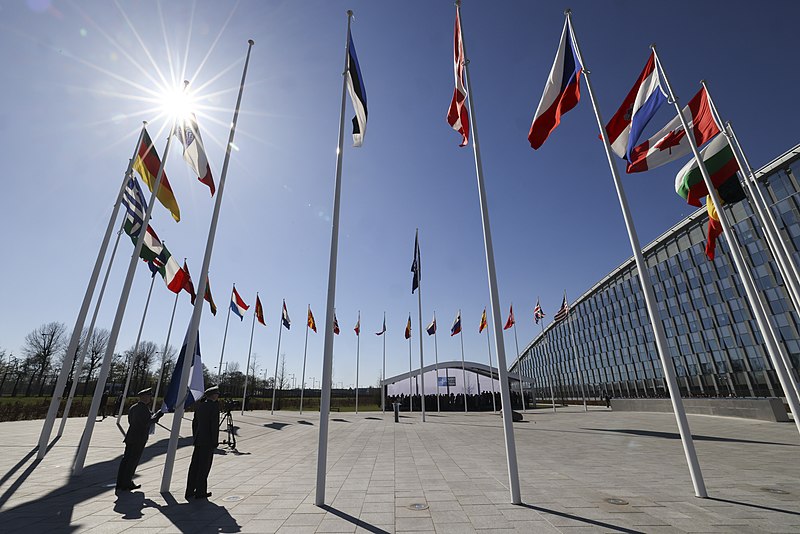
The North Atlantic Treaty Organization is reportedly set to open an office in Japan, the first such office by the alliance in the region. The NATO office would oversee Indo-Pacific consultations in light of regional tensions.
According to Nikkei Asia on Wednesday, NATO will be opening a liaison office in Japan, the first in Asia, to facilitate consultations on the Indo-Pacific, according to NATO and Japanese officials familiar with the matter. The proposed office is expected to open in 2024, but there have yet to be details on whether Tokyo would provide the space or if NATO would fund the liaison office.
The liaison office will provide an opportunity for discussions with the alliance’s security partners, including South Korea, Australia, and New Zealand. The alliance has similar offices in New York, Ukraine, and Vienna, among others.
NATO spokesperson Oana Lungescu said that NATO would not go into detail about the ongoing discussions when pressed on the report.
“NATO has offices and liaison arrangements with a number of international organizations and partner countries, and allies regularly assess those liaison arrangements to ensure that they best serve the needs of NATO and our partners,” said Lungescu, adding that the alliance has a partnership with Japan that continues to grow.
“Practical cooperation includes a wide range of areas, including cyber defense, maritime security, humanitarian assistance and disaster relief, non-proliferation, science and technology, and human security,” said Lungescu.
NATO chief Jens Stoltenberg visited Japan back in January, pledging to Prime Minister Fumio Kishida to strengthen ties at a time of “historic” security challenges such as Russia’s invasion of Ukraine and China’s increasing military expansionism. This also comes as Japan and NATO are looking to deepen cooperation on cyber threats, disruptive technologies, and disinformation.
On Wednesday, the alliance’s intelligence chief warned that Russia may look to damage undersea cables as a way of punishing the West for supporting Ukraine as NATO looks to protect its undersea infrastructure following the Nord Stream pipeline attacks. NATO intelligence chief David Cattler told reporters that Moscow may target undersea cables and other such infrastructure to “disrupt Western life, to gain leverage against those nations that are providing security to Ukraine.”
Cattler cited the sudden increased activity by Russia in this aspect, patrolling the Atlantic now more than before while increasing military activities in the North and Baltic Seas.













