


 Trump Administration Appeals Court Order to Release Hudson Tunnel Project Funding
  China Overturns Death Sentence of Canadian Robert Schellenberg, Signaling Thaw in Canada-China Relations
  Israel Approves West Bank Measures Expanding Settler Land Access
  Trump Threatens to Block Gordie Howe Bridge, Escalating U.S.-Canada Trade Tensions
  UK Condemns Israel’s West Bank Expansion Plans, Urges Immediate Reversal
  Trump Set to Visit Beijing for High-Stakes Talks With Xi Jinping
  US Pushes Ukraine-Russia Peace Talks Before Summer Amid Escalating Attacks
  India–U.S. Interim Trade Pact Cuts Auto Tariffs but Leaves Tesla Out
  Trump Slams Super Bowl Halftime Show Featuring Bad Bunny
  Bangladesh Secures Reduced 19% U.S. Tariff in Landmark Trade Agreement
  Japan’s Prime Minister Sanae Takaichi Secures Historic Election Win, Shaking Markets and Regional Politics
  Taiwan Says Moving 40% of Semiconductor Production to the U.S. Is Impossible
  Bangladesh Election 2026: A Turning Point After Years of Political Suppression
  Nicaragua Ends Visa-Free Entry for Cubans, Disrupting Key Migration Route to the U.S.
  Jack Lang Resigns as Head of Arab World Institute Amid Epstein Controversy
  Ghislaine Maxwell to Invoke Fifth Amendment at House Oversight Committee Deposition
  Sydney Braces for Pro-Palestine Protests During Israeli President Isaac Herzog’s Visit


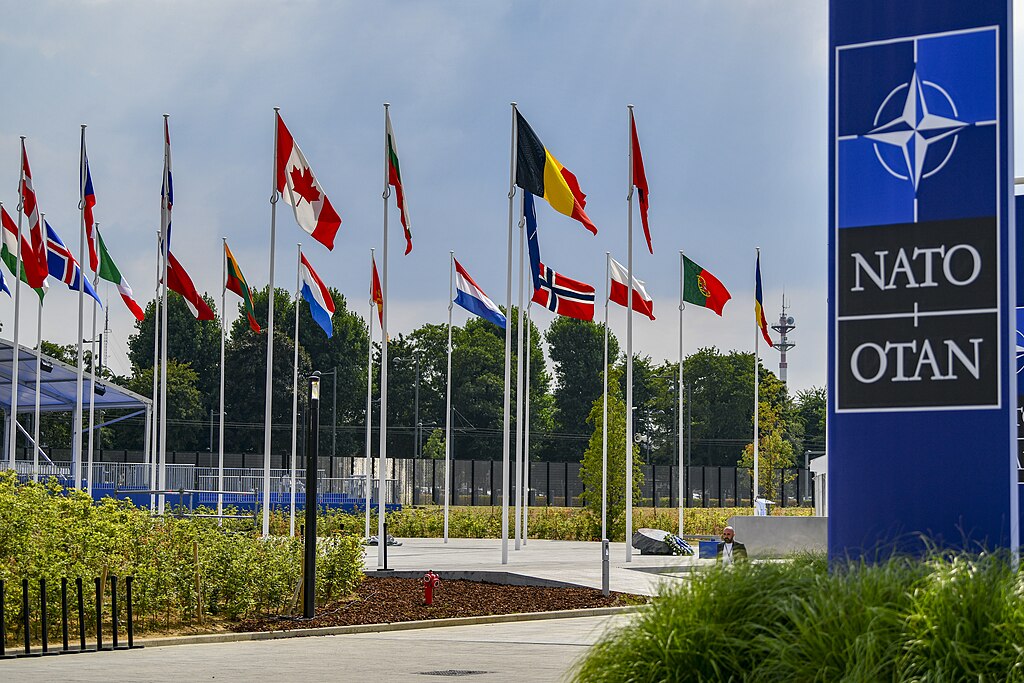
The United States is preparing to transfer leadership of two major NATO command posts to European officers, marking a significant shift in the alliance’s military structure and reflecting growing calls for Europe to take greater responsibility for its own defense. According to a military source cited by Reuters, the command changes align with U.S. President Donald Trump’s long-standing push for a more “European-led NATO.”
Under the planned restructuring, European officers will assume control of NATO’s Allied Joint Force Command in Naples, Italy, and Joint Force Command Norfolk in Virginia. Both commands are currently headed by U.S. admirals and play critical roles in overseeing NATO operations and strategic coordination. The source, speaking on condition of anonymity, said the transition is part of a broader effort to rebalance leadership responsibilities within the alliance.
While Europe gains control of these top-level command posts, the United States will continue to hold substantial influence within NATO. U.S. officers are expected to take command of three operationally significant but slightly lower-tier headquarters: Allied Air Command, Allied Maritime Command, and Allied Land Command. These commands are central to NATO’s air, sea, and land operations and remain vital to the alliance’s collective defense posture, according to both the military source and another individual familiar with the discussions.
A NATO official confirmed that allies have agreed on a new distribution of senior military leadership roles across the NATO Command Structure. The official emphasized that European allies, including the alliance’s newest members, will have a more prominent presence in NATO’s military leadership going forward. The changes were described as part of planning for future leadership rotations, with additional details expected to be released at a later stage.
The reported NATO command reshuffle was first revealed by French publication La Lettre and later by Politico, underscoring the growing international attention on evolving transatlantic defense dynamics. As NATO adapts to new security challenges and internal expectations, the redistribution of command roles highlights a strategic effort to strengthen European defense leadership while maintaining strong U.S. involvement in critical operational areas.













