


 IEA Plans Record Emergency Oil Release Amid Iran Strait of Hormuz Crisis
  ANZ and Westpac Forecast Two RBA Rate Hikes in March and May 2026
  Nations will release an extra 400 million barrels of oil to the market. All we need to do now is not panic at the pump
  U.S. Solar Market Contracts in 2025 as Trump Rolls Back Renewable Energy Incentives
  Diesel Price Surge Threatens Global Economy Amid Middle East Conflict
  Asian Currencies Face Pressure as U.S.-Iran Conflict Weighs on Markets
  Asian Stock Markets Rise as Oil Prices Pull Back; U.S. CPI in Focus
  Asia FX Steady as Iran War Signals and U.S. Inflation Data Weigh on Sentiment
  Chinese AI Stocks Surge as Tencent, MiniMax, and Zhipu Launch Agentic AI Programs
  Iran-Israel War Sparks Global Oil Crisis as Tankers Burn in Gulf Waters
  UK Housing Market Slows Amid Geopolitical Tensions and Mortgage Rate Fears
  U.S. Markets Slip Amid Iran Conflict Uncertainty as Oil Prices Retreat
  Asian Markets Retreat as Oil Prices Surge Toward $100 Amid Middle East Tensions
  German Exports Drop 2.3% in January, Exceeding Forecast Decline
  Oil Prices Surge Toward $100/Barrel After Tanker Attacks in Iraqi Waters
  U.S. Futures Slide as Oil Prices Surge on Middle East Shipping Attacks
  Venezuela Names Paula Henao as New Oil Minister Amid U.S.-Led Industry Overhaul


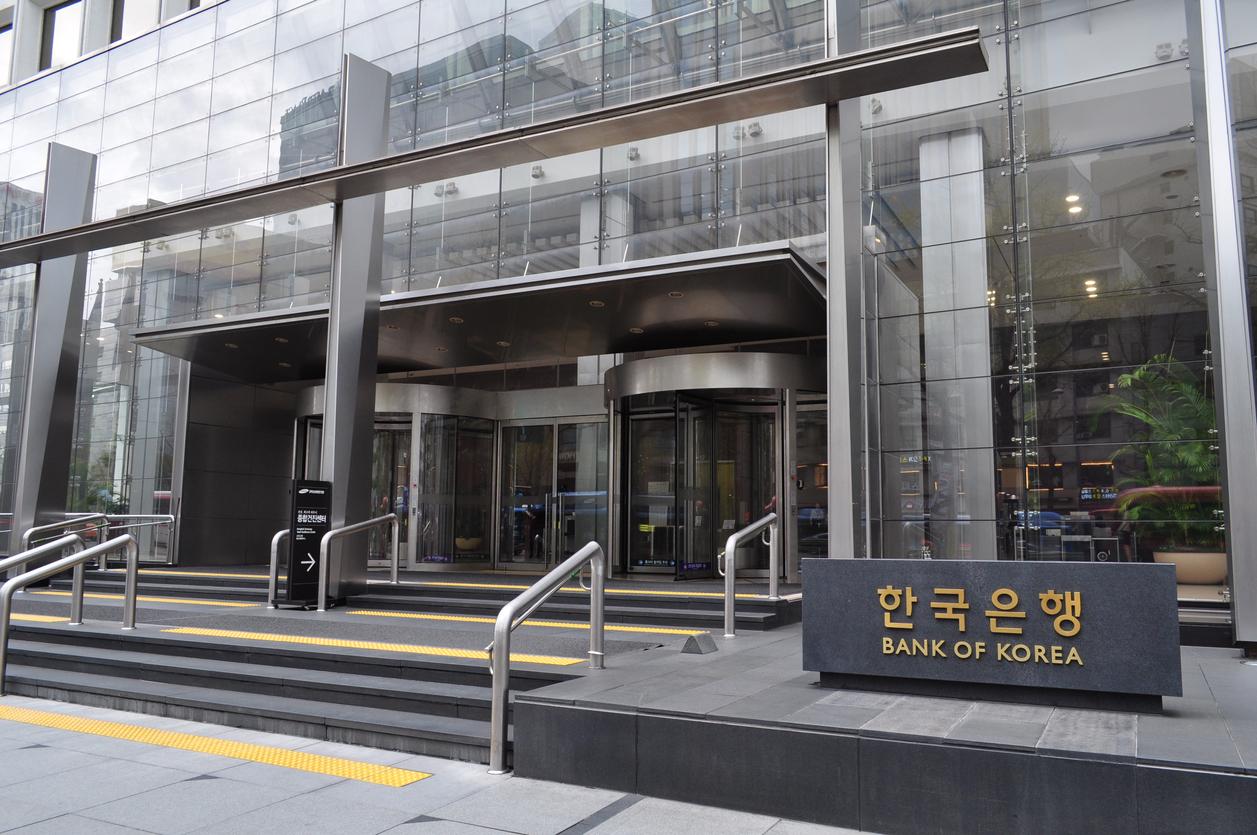
Lee Seung-heon, a leading candidate to become the next governor of the Bank of Korea (BOK), has voiced support for raising property ownership taxes as a way to curb surging home prices, while warning that a shift toward tighter monetary policy would be premature. His comments come as South Korea grapples with housing-driven inflation risks and fragile economic growth.
Lee, who previously served as senior deputy governor of the BOK, is widely seen as a potential successor to Governor Rhee Chang-yong, whose four-year term ends on April 20. In an interview conducted on February 6, Lee emphasized that stabilizing the housing market requires stronger structural measures rather than immediate interest rate hikes.
According to Lee, rising property prices threaten to fuel inflation and make homeownership increasingly unaffordable for middle-class families. He argued that housing market stability would be difficult to achieve unless the actual cost of owning homes increases, pointing specifically to higher property ownership taxes as a necessary policy tool. While South Korea already imposes high stamp duties and capital gains taxes—exceeding 60% on some property sales—ownership taxes remain relatively low compared to other developed economies.
Despite market expectations shifting toward tighter policy, Lee said overall monetary conditions should remain steady for now. He noted that economic growth remains weak and that signaling interest rate increases too early could undermine recovery momentum. His remarks come as three-year government bond yields recently hit a 19-month high, reflecting reduced expectations for further rate cuts.
The BOK has maintained its benchmark interest rate at 2.50% since January 15, following four rate cuts since October 2024. Policymakers have adopted a neutral stance amid concerns over a weakening won and renewed increases in Seoul apartment prices. Strong semiconductor exports, driven by global demand for AI-related memory chips, have helped cushion the economy from higher U.S. tariffs.
On the currency outlook, Lee said the Korean won, currently trading around 1,465 per dollar, is within a natural range of 1,400 to 1,470. He added that any sustained move beyond 1,500 per dollar would be unlikely, barring extreme external shocks.













