


 HP Stock Drops 9% Despite Q3 Earnings Beat and Raised 2026 Outlook
  Pinterest Stock Falls as CFO Julia Brau Donnelly Resigns
  Luxshare Shares Rise as First-Half Profit Jumps 18%
  OpenAI Rejects Apple Trade Secret Theft Claims
  MediaTek Shares Jump 10% on Nvidia’s $3.5 Billion Investment
  SK Hynix Shares Fall as Workers Reject Wage Deal
  PayPal Shares Sink as $50 Billion Takeover Bid Collapses
  SoftBank Eyes $20 Billion Bond Sale to Refinance OpenAI Loan
  Xiaomi Unveils Xring O3 Chip for Flagship Foldable Phone
  Nvidia Options Price in $280 Billion Earnings Swing
  Meta Agrees to $18 Billion Settlement, Tightens Teen Social Media Rules
  U.S. Disrupts China-Linked Hacking Campaign Targeting Government Agencies
  SpaceX Mobile Network Could Cost Up to $130 Billion, Bernstein Says
  Google Expands Gemini Enterprise With AI Tools for Legal Sector


 Add as a preferred source on Google
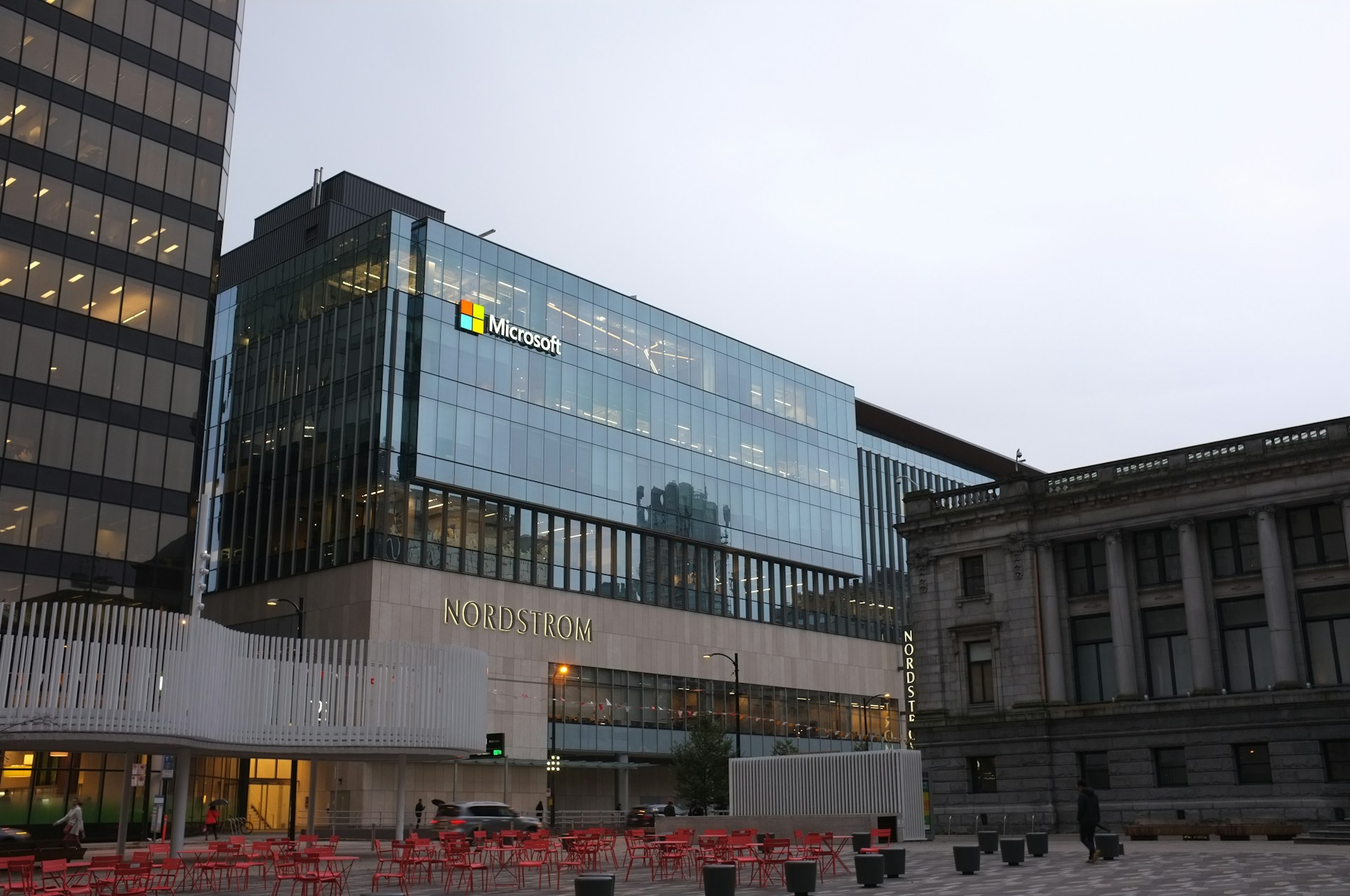
Microsoft reported on April 17 that Russian operatives have initiated online campaigns to sway the upcoming US presidential election, albeit at a slower pace than in previous years. These operations focus primarily on spreading divisive content critical of US support for Ukraine, signifying a strategic start to more intensified efforts as the election nears.
Microsoft Highlights Russian Campaigns Spreading Disinformation About Ukraine to Influence U.S. Voters
Russia-linked accounts are propagating contentious content intended for US audiences, including criticism of American support for Ukraine in its battle with Russia, according to a report by researchers at the tech giant.
According to CNA, the Russian embassy in Washington did not respond to a request for comment, but the Kremlin stated last month that it would not interfere in the November U.S. elections. It also denied U.S. charges that it planned attempts to sway the 2016 and 2020 presidential elections.
While Microsoft's observation of Russian activities is not as severe as during prior elections, the researchers expect it to increase in the coming months.
"Messaging regarding Ukraine - via traditional media and social media - picked up steam over the last two months with a mix of covert and overt campaigns from at least 70 Russia-affiliated activity sets we track," Microsoft said.
They said the most prevalent Russian activities are tied to Russia's Presidential Administration. Another is geared at disseminating misinformation online in several languages, with articles often beginning with an apparent whistleblower or citizen journalist uploading content to a video channel. Websites like DC Weekly, Miami Chronicle, and The Intel Drop then cover that content.
"Ultimately, after the narrative has circulated online for a series of days or weeks, U.S. audiences repeat and repost this disinformation, likely unaware of its original source," Microsoft said.
Microsoft Reports Surge in Russian Cyberattacks, Warns of Simpler, More Effective Election Interference Techniques
According to Microsoft (via Reuters), there has been a "notable uptick" in hacking by a Russian outfit known as Star Blizzard, or Cold River, which targets Western think tanks.
"Star Blizzard's current focus on U.S. political figures and policy circles may be the first in a series of hacking campaigns meant to drive Kremlin outcomes headed into November."
Malicious use of artificial intelligence by foreign adversaries targeting the US election is a major concern among American political analysts. However, Microsoft claims that simpler digital forgeries were more widespread than deepfakes. It went on to say that audio modifications had a greater impact than video.
"Rarely have nation-states' employments of generative AI-enabled content achieved much reach across social media, and in only a few cases have we seen any genuine audience deception from such content," the researchers said.
"The simplest manipulations, not the most complex employment of AI, will likely be the pieces of content that have the most impact," they added.
Photo: Matthew Manuel/Unsplash







