


 Australia’s Wealthy Donors Shift Support to One Nation Amid Conservative Party Decline
  Trump Announces Russia-Ukraine Ceasefire for May 9-11 Amid Ongoing Peace Talks
  Trump-Xi Beijing Summit to Focus on Trade, Taiwan, and Boeing Deal
  Ukraine-Russia Ceasefire Confirmed as Prisoner Swap Deal Advances
  Pope Leo Calls for Peace as Vatican Seeks Better Ties With U.S.
  Mexico President Claudia Sheinbaum Reconsiders Early School Closure Plan Ahead of 2026 World Cup
  US-Iran Ceasefire Under Pressure as Fresh Strait of Hormuz Clashes Shake Oil Markets
  Russia Downs Over 50 Drones Near Moscow Ahead of Victory Day Ceasefire
  US Reviews Mexican Consulates Amid Rising Diplomatic Tensions
  Lula and Trump Talks Signal New Phase in Brazil-US Relations
  Trump Invites Top CEOs Including Nvidia, Apple, Boeing to China Summit With Xi Jinping
  US Launches Retaliatory Strikes on Iran Amid Rising Strait of Hormuz Tensions
  Judge Delays SEC Settlement With Elon Musk Over Twitter Stock Disclosure Case
  US Revises UN Resolution on Iran Strait of Hormuz Attacks Amid Russia-China Opposition
  Rubio Presses Italy Over Iran Support as Tensions Test U.S.-Italy Alliance
  Vietnam Plans AI-Driven Propaganda Push With Influencers and Podcasts
  Trump Says U.S. Navy Destroyers Passed Strait of Hormuz Under Iranian Fire


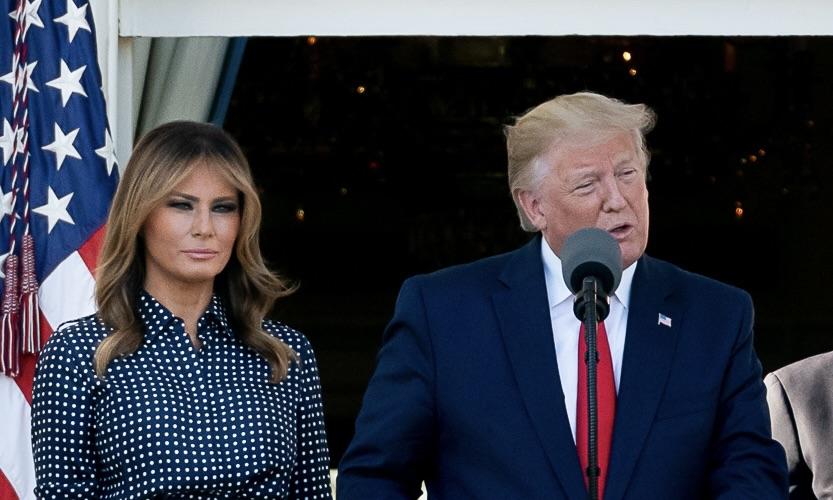
Mexico has signaled its intent to impose retaliatory tariffs on American goods in response to President Donald Trump’s recent announcement of sweeping tariffs on Mexican imports. The move threatens to escalate tensions between the two neighboring nations and could impact a wide range of industries, including agriculture and manufacturing, as Mexico considers measures to protect its economy and trade interests.
President Trump’s decision to implement tariffs on Mexican goods was part of his broader strategy to address immigration and trade imbalances. However, Mexico’s government has made it clear that it will not stand idly by. Mexican officials hinted at targeting key U.S. exports, including agricultural products such as corn, pork, and dairy, which could significantly affect American farmers and the broader economy.
The proposed tariffs by Mexico come amid ongoing trade disputes, raising concerns about the long-term consequences for both nations. Experts warn that a tit-for-tat tariff strategy could disrupt supply chains and hurt consumers on both sides of the border.
Impact on U.S.-Mexico Trade Relations
Trade between the United States and Mexico is substantial, with Mexico being the second-largest trading partner for the U.S. in 2023. Any disruption to this relationship could have severe repercussions for industries that rely heavily on cross-border trade.
Agricultural exports are particularly vulnerable, with Mexico being one of the largest buyers of U.S. corn and pork. If tariffs are imposed, American farmers could face higher costs and reduced market access, leading to financial strain in rural areas already struggling with economic challenges.
The automotive sector, which depends on components manufactured in both countries, is also at risk. Increased tariffs could lead to higher prices for vehicles and parts, further exacerbating inflationary pressures in the U.S. economy.
Meanwhile, Mexican officials argue that retaliatory tariffs are necessary to safeguard their domestic economy and send a strong message against what they perceive as unfair trade practices. The potential fallout has sparked debates among policymakers and business leaders about the need for a more collaborative approach to resolving trade disputes.
Public Reaction and Social Media Buzz
News of Mexico’s potential retaliation has ignited discussions on social media, with netizens expressing mixed opinions:
- @TradeWatcher2025: “Mexico has every right to stand up to Trump’s bullying tactics. This was bound to happen!”
- @FarmersFirstUSA: “These tariffs will destroy American agriculture. We need better solutions, not economic warfare!”
- @EconAnalyst23: “Tit-for-tat tariffs only hurt consumers. Both sides need to come to the table and negotiate.”
- @GlobalTradeGuru: “Trump’s policies are reckless. Retaliation from Mexico will just push the U.S. economy closer to recession.”
- @PatriotFarmer88: “It’s time to put America first! We can’t let Mexico dictate our policies.”
- @BorderEconomyPro: “Cross-border trade is too important to jeopardize. Tariffs will hurt both nations more than they help.”
A Call for Diplomatic Resolution
As tensions escalate, economists and trade experts are urging both nations to prioritize diplomacy over retaliatory measures. Collaborative efforts to address trade imbalances and immigration issues could prevent further damage to the economic partnership that underpins millions of jobs and livelihoods on both sides of the border.
While Mexico’s potential tariffs have yet to be finalized, the prospect of an escalating trade war highlights the complexities and risks of unilateral trade actions. Both nations face the challenge of navigating these disputes without undermining their economic stability or bilateral relationship.







