


 Pope Leo Calls for Peace as Vatican Seeks Better Ties With U.S.
  Israel’s Secret Iraq Base Allegedly Supported Iran Air Campaign, WSJ Reports
  Trump Inspects Lincoln Memorial Reflecting Pool Renovation in Washington
  UN Experts Condemn Trump’s Cuba Fuel Blockade Amid Deepening Energy Crisis
  Vietnam Plans AI-Driven Propaganda Push With Influencers and Podcasts
  China-Made Fireworks Power U.S. Independence Day Celebrations Amid Trade Truce
  U.S., South Korea Launch Shipbuilding Partnership Initiative
  US-Iran Ceasefire Under Pressure as Fresh Strait of Hormuz Clashes Shake Oil Markets
  Mexico President Claudia Sheinbaum Reconsiders Early School Closure Plan Ahead of 2026 World Cup
  Lula and Trump Talks Signal New Phase in Brazil-US Relations
  Judge Rules DOGE Humanities Grant Cuts Unconstitutional
  Australia’s Wealthy Donors Shift Support to One Nation Amid Conservative Party Decline
  Russian LNG Shadow Fleet Expands Amid Arctic LNG 2 Sanctions
  Judge Delays SEC Settlement With Elon Musk Over Twitter Stock Disclosure Case
  Trump-Xi Beijing Summit to Focus on Trade, Taiwan, and Boeing Deal
  Trump Announces Russia-Ukraine Ceasefire for May 9-11 Amid Ongoing Peace Talks
  TikTok Nears $400 Million Settlement With Trump Administration Over Child Privacy Lawsuit


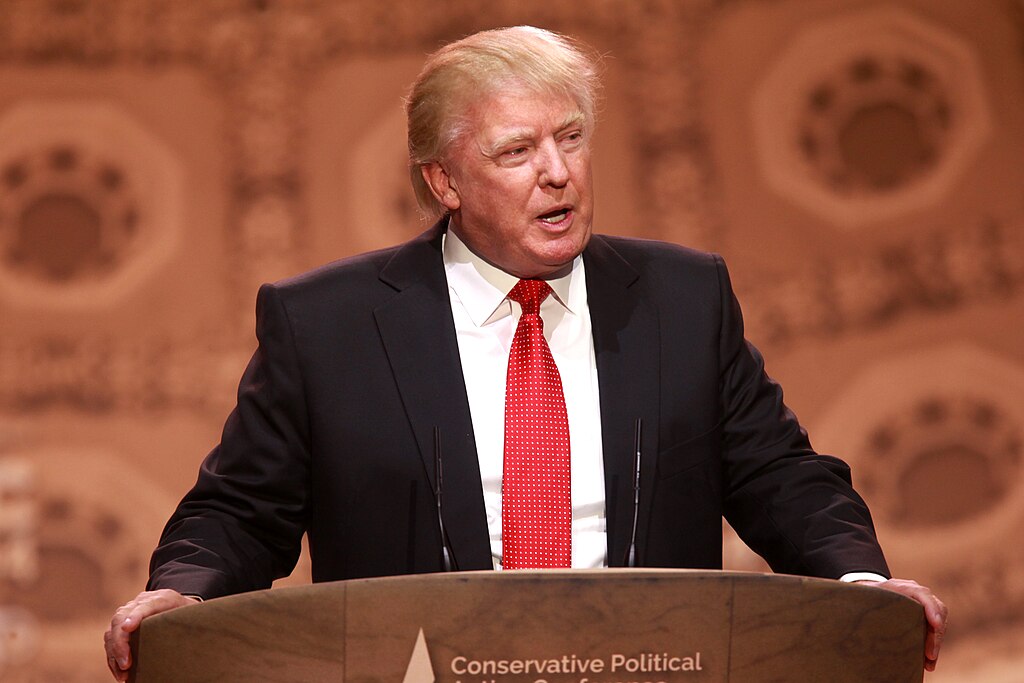
President Donald Trump has announced a sweeping strategy to combat America’s opioid crisis, focusing on stricter border controls, increased law enforcement measures, and expanded treatment programs. The plan, revealed during a White House press briefing, seeks to address the epidemic that has claimed hundreds of thousands of lives over the past two decades.
The administration is allocating $10 billion to fight opioid addiction, with funds directed toward rehabilitation centers, overdose prevention programs, and public awareness campaigns. However, critics question whether the approach will effectively address the root causes of the crisis, such as mental health issues and economic inequality.
Key Measures Include Border Security and Law Enforcement
Central to Trump’s strategy is enhanced border security aimed at curbing the flow of illegal fentanyl and opioids into the United States. The administration has pledged to increase surveillance at ports of entry, deploy advanced technology to detect smuggling, and impose harsher penalties on drug traffickers.
Attorney General Pam Bondi emphasized the importance of cracking down on the supply chain, stating, “We cannot win this fight if dangerous drugs continue to flood our streets.”
Additionally, the plan includes funding for local law enforcement to expand drug interdiction efforts. Grants will be available to police departments in high-risk areas, focusing on dismantling networks responsible for distributing synthetic opioids.
Critics argue that while these measures address supply, they do little to tackle demand. Public health experts caution that punitive approaches may fail to reduce addiction rates and could disproportionately impact marginalized communities.
Expanding Treatment Access Amid Funding Challenges
The administration has also pledged to increase access to addiction treatment, emphasizing medication-assisted therapy (MAT) as a proven method to combat opioid dependence. Plans include expanding Medicaid coverage for addiction treatment and incentivizing states to adopt MAT programs.
However, healthcare providers warn that funding may fall short of the actual need. According to the American Medical Association, more than two million Americans require treatment for opioid use disorder, but fewer than 20% currently receive adequate care.
Advocacy groups have called for more investments in rural and underserved areas, where addiction rates are often highest and treatment options are limited. They also stress the importance of addressing stigma, which prevents many from seeking help.
Social Media Reactions to Trump’s Plan
The announcement has sparked heated debate online, with opinions ranging from support to outright skepticism:
- @AddictionAdvocate: "Expanding treatment is a step forward, but where’s the funding for mental health services? #OpioidCrisis"
- @BorderSecure2025: "Finally, a president taking action against fentanyl traffickers. This could save countless lives. #TrumpPlan"
- @PublicHealthNow: "Punitive measures won’t solve addiction. We need compassion and comprehensive care. #EndTheStigma"
- @OverdoseSurvivor: "Rehab access is crucial, but rural areas are still overlooked. What’s being done for us? #Opioids"
- @PolicyCritic2025: "More money for police, but no solutions for poverty or unemployment fueling the crisis. #FailedPolicy"
- @ParentsAgainstDrugs: "It’s about time someone tackled this issue head-on. Let’s hope it works. #OpioidWar"
Looking Ahead
Trump’s plan aims to reduce overdose deaths by 30% within three years, a goal some experts view as ambitious given the scope of the crisis. While the administration touts its comprehensive approach, detractors remain concerned about whether the proposed measures will be sufficient to stem the tide of addiction.







