


 Eli Lilly and Insilico Medicine Forge $2.75 Billion AI-Driven Drug Discovery Deal
  TSMC Japan's Second Fab to Produce 3nm Chips by 2028
  Ukrainian Drones and the #MadeByHousewives Movement: Kyiv Fires Back at Rheinmetall CEO
  UAE's Largest Natural Gas Facility Suspended After Attack-Triggered Fire
  Norma Group Posts Revenue Decline in 2025, Eyes Modest Recovery in 2026
  Elon Musk Ties SpaceX IPO Access to Mandatory Grok AI Subscriptions
  Luxury Car Sales in the Middle East Take a Hit Amid Iran War
  Annie Altman Amends Sexual Abuse Lawsuit Against OpenAI CEO Sam Altman
  Private Credit Under Pressure: Is a Slow-Motion Crisis Unfolding?
  Microsoft's $10 Billion Japan Investment: AI Infrastructure and Data Sovereignty Push
  SpaceX Eyes Historic IPO at $1.75 Trillion Valuation
  Europe's Aviation Sector on Track to Meet 2025 Green Fuel Mandate
  First Western Ship Transits Strait of Hormuz Since Iran War Began
  Jefferies Upgrades Sodexo to Buy With €55 Target After Historic CEO Appointment
  Apple Turns 50: From Garage Startup to AI Crossroads
  Nike Beats Q3 Estimates but China Weakness and Margin Pressure Weigh on Outlook
  SoftwareONE Posts 22.5% Revenue Surge in 2025 on Crayon Acquisition


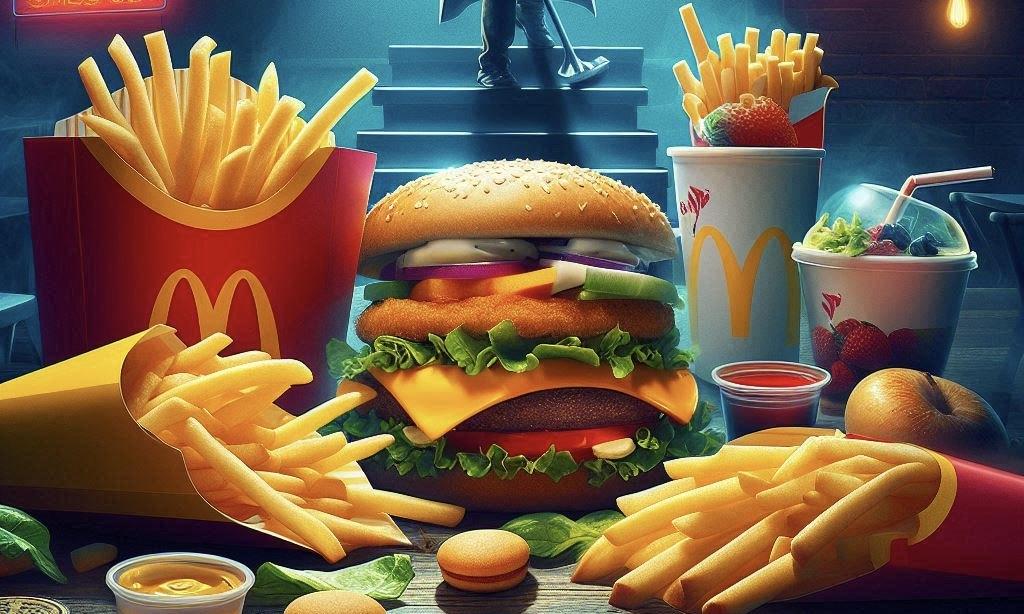
McDonald's recently made headlines with the introduction of its $5 Meal Deal, a strategic move aimed at attracting cost-conscious customers and increasing foot traffic. This limited-time offer, launched last month, includes a sandwich, chicken nuggets, fries, and a drink for just five dollars, sparking curiosity and speculation about the profitability and long-term impact of such a deal.
The Motivation Behind the $5 Meal Deal
The fast-food industry has faced significant challenges over the past few years, with rising labor and ingredient costs driving up menu prices. These increases have led many consumers, particularly those from lower-income households, to cut back on dining out. In response, McDonald's and its competitors have rolled out value deals to lure back budget-conscious customers.
The $5 Meal Deal is McDonald's answer to this challenge, aiming to provide an affordable option that can drive traffic and sales. However, this strategy raises questions about profitability. Analysts estimate franchisees make between 1% and 5% profit on each $5 meal, translating to just five to twenty-five cents per meal. This slim margin is about half McDonald's regular profit margin on other menu items.
The Gamble of Value Meals
Offering a $5 meal deal is a calculated risk. While it can potentially drive significant foot traffic, it also risks cannibalizing sales of higher-margin items. A similar situation occurred when McDonald's introduced an all-day breakfast, leading some customers to opt for lower-margin breakfast items instead of more profitable burgers and meals during lunch and dinner hours.
Despite these risks, McDonald's has seen positive initial results. According to Placer.ai, the $5 meal deal launch day was the busiest Tuesday of the year for McDonald's, with an 8% increase in visits compared to the year-to-date average. This trend continued, with high traffic levels sustained in the following days. This success encouraged McDonald's franchisees to extend the $5 value meal beyond its initial four-week window in most U.S. markets.
Industry Response and Competitive Landscape
The fast-food giant's bold move has not gone unnoticed by its competitors. Burger King, Wendy's, and other fast-food chains have quickly introduced their own value meal deals, sparking a value meal war aimed at capturing the price-sensitive segment of the market.
While McDonald's has the advantage of scale and resources to weather the impact of these promotions, the long-term success of such strategies remains uncertain. Investors and industry analysts are watching closely to see if the increased foot traffic translates into sustainable sales growth and if McDonald's can maintain its profitability.
Strategic Growth and Future Outlook
Beyond the value meal strategy, McDonald's continues to pursue growth through various initiatives. The company is expanding its global footprint, with plans to open 10,000 new restaurants over the next four years. Additionally, McDonald's has launched a new drink-focused chain called CosMc’s, targeting the afternoon beverage market dominated by Starbucks and Dunkin’. This new venture aims to attract affluent consumers and diversify McDonald's revenue streams.
Conclusion
McDonald's $5 Meal Deal is a bold strategy designed to attract cost-conscious diners and boost traffic amid rising costs and economic uncertainty. While the initial response has been positive, the long-term impact on profitability and market share remains to be seen. As the fast-food giant navigates these challenges, its ability to innovate and adapt will be crucial in maintaining its dominance in the highly competitive fast-food industry.







