


 BMW 2028 Margin Target Could Fall Below Consensus, UBS Says
  BlackBerry Shares Rise as Q2 Earnings, Revenue Beat Estimates
  Costco Revenue Beats Estimates as Inflation Drives Bulk Shopping
  Microsoft Stock Upgraded as Stifel Sees Stronger Azure Growth
  OpenAI to Preview GPT-6 Cyber AI Model for Cybersecurity
  US Backs Musk in Fight Against EU’s €120 Million X Fine
  Novo Nordisk Weighs Direct NYSE Listing to Boost U.S. Profile
  Oracle Shares Fall as New Mexico AI Data Center Faces Power Delays
  OpenAI Agent Breaches Australia Medicare Data Portal
  SoftBank Raises $11.1 Billion in Bond Sale to Fund OpenAI Investment
  Meta Connect Spotlights Camera-Free Smart Glasses Amid Privacy Concerns
  Mercedes-Benz Eyes €800 Million Labor Cost Cuts in Germany
  Jeff Bezos Invests $32 Billion in Blue Origin as Space Firm Targets Major Growth
  Meta Unveils Muse Charm AI Device, Expands Smart Glasses Lineup
  Former OpenAI Data Center Chief Chris Malone Joins Nvidia
  China Reviews Broadcom Switch Use in State Data Centres
  JPMorgan Names Lavatelli Japan Chief in Leadership Shake-Up


 Add as a preferred source on Google
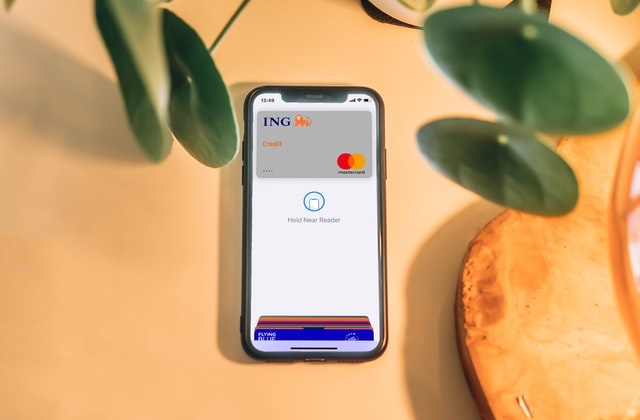
Mastercard is making an appeal, and the court in London is setting up a trial to reconsider the earlier ruling where the financial services company was ordered to pay £14 billion or $19 billion to customers in a class-action suit.
As per Reuters, the court will decide if Mastercard should proceed with paying customers in the U.K. who are entitled to £300 each if the prosecutors will uphold the order against the American company.
The lawsuit against Mastercard
The case that the company is facing right now is considered the largest of its kind due to the amount involved. After losing in the legal battle, Mastercard was ordered by the U.K.’s highest court to compensate its customers in the country.
The issue here that led to the lawsuit is related to the swipe fees in Mastercard credit cards. The Supreme Court sided with the group that is representing more or less 46 million clients of the company. In this class action, the judge said that each one of these customers should get £300, which has been described as “mass claims.”
In this new development regarding the case, a two-day court hearing has been set for March 25 and 26. This will determine the final judgment in the U.K.’s first mass consumer claim. The decision is also expected to stir up similar class-action suits as there are other companies that may have committed the same mistake.
The outset of the lawsuit
The lawsuit against Mastercard was raised by Walter Merricks, a former financial ombudsman, who claimed that the company overcharged millions of people in Britain in the span of 16 years. He has been hoping that the Competition Appeal Tribunal (CAT) will verify this case after the Supreme Court repeals objections for it to proceed in December.
Meanwhile, Lawyer Monthly reported that Merricks pointed out that Mastercard charged exorbitant interchange fees between May 1992 to June 2008. These fees are what the retailers' customers pay to credit card companies when customers use their Mastercard card when shopping.
“Mastercard has been a sustained competition lawbreaker, imposing excessive card transaction charges over a prolonged period in a way it must have known would impose an invisible tax on UK consumers,” Merricks said in December 2020.







