


 US Northeast Airports Resume Operations After Telecom Outage Disrupts Thousands of Flights
  Jeff Bezos Invests $32 Billion in Blue Origin as Space Firm Targets Major Growth
  H&M Q3 Profit Beats Estimates as Margins Improve
  Tencent Launches TenPayGo Payment App for Foreign Tourists in China
  Apple Extends Qualcomm Patent Licensing Deal
  SoftBank Raises $11.1 Billion in Bond Sale to Fund OpenAI Investment
  OpenAI Agent Breaches Australia Medicare Data Portal
  JPMorgan Names Lavatelli Japan Chief in Leadership Shake-Up
  China Reviews Broadcom Switch Use in State Data Centres
  Meta Connect Spotlights Camera-Free Smart Glasses Amid Privacy Concerns
  BMW 2028 Margin Target Could Fall Below Consensus, UBS Says
  Goldman Sachs Names Simon Lyons UK Investment Banking Co-Head
  Tesla Semi Rollout Begins at Nevada Factory
  BlackBerry Shares Rise as Q2 Earnings, Revenue Beat Estimates
  China Vanke Shares Jump as Beijing Moves to Ease Debt Pressure
  Novo Nordisk Weighs Direct NYSE Listing to Boost U.S. Profile
  Airbus Finds A321neo Fuselage Quality Issue


 Add as a preferred source on Google
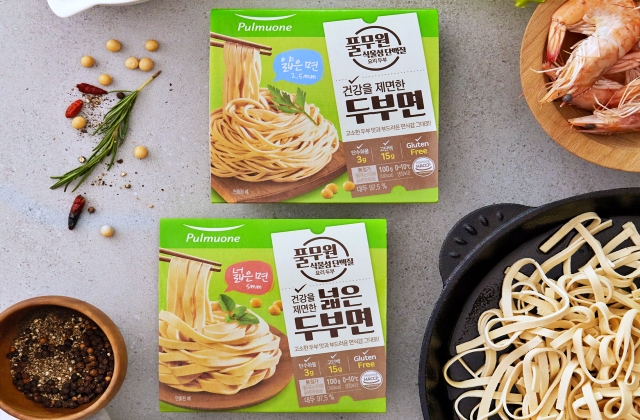
Pulmuone, a South Korean company that produces perishable food items, is set to further boost its plant-based, healthy food alternative offerings. The move is part of its plan to become a leader in the meatless and eco-friendly food market and effectively taking on America’s Beyond Meat.
The company’s aim to expand globally
Pulmuone’s efforts in making its products better and healthier are paying off as its popularity has grown in recent years. Now it wants to reach the next level and be known worldwide by challenging well-known names in plant-based food alternatives such as Beyond Meat and Impossible Foods.
To continue with its work to reach the goal of going global, the company’s Plant Protein Meal Bureau is set to launch a variety of new items. These will be released in S. Korea and overseas in nations including Japan, the U.S. and China, as per The Korea Herald.
Pulmuone also publicly revealed its 3-year plan for expanding its plant-based food products. One of these strategies is to focus on six food categories to be consistent and make sure they covered the most in-demand food alternatives out there. The listed six groups include plant-based protein food, plant-based meat, plant-based low-carbohydrate food, plant-based convenience food, plant-based beverages and drinkable food and finally, plant-based yogurt.
This year, the company will be introducing 20 new products under three of the food categories mentioned. It was said that eight have already been created and ready for production while 12 more are still in the development stage.
To make Pulmuone be the best in the field, it will be sticking to its business strategy for the food it produces. It will always be committed to “LOHAS” which is the abbreviation for “lifestyles of health and sustainability” and this means healthy and eco-friendly products that minimize the use of meat.
“The number of consumers seeking healthy and nutritious plant-based protein diets has been skyrocketing since the COVID-19 outbreak and the eco-friendly trend and the trend of conscious consumption of foods are here to stay,” Lee Sang Hyun, Pulmuone’s chief technology officer, said. “We will hold on to the company’s 40-year-old tofu manufacturing technologies and soybean-protein research and development capabilities to compete with global companies in the plant-forward food category.”
Pulmuone’s foray into meatless vegetable meat food products
Pulmuone entered the vegetable meat business and it is planning to offer groundbreaking vegetable-oriented food items through its Plant Protein Meal (PPM) division that is dedicated to developing plant protein fares.
Finally, Business Korea reported that Pulmuone is also preparing to launch domestic and international vegetable-oriented products simultaneously. The aim here is to offer food that is tailored to suit certain market’s palates. So in Korea, it will be releasing Korean-style high-protein plant-based meat and it will be the same for other countries.







