


 Lockheed Martin Unveils Lower-Cost Patriot ACE Interceptor to Meet Rising Air Defense Demand
  Nike Shifts China Online Sales Strategy to Boost Brand and Fight Local Rivals
  Morgan Stanley Downgrades Adobe, Workday as AI Transition Raises Growth Concerns
  Rubio Rejects AI ‘Kill Switch’ Claims as U.S. Defends American Technology Abroad
  Intel, AMD Seek Long-Term China Server CPU Deals as AI Demand Drives Supply Crunch
  Nvidia Reveals 9.3% Stake in AI Cloud Firm Nebius Following $2 Billion Investment
  Macquarie Names Greg Ward as CEO, Signaling Stability and Strategic Continuity
  GE Vernova Q2 Revenue Tops Estimates as Earnings Miss, Shares Slide Despite Higher 2026 Outlook
  Domino’s Weighs Appeal After Australian Court Rules Workers Were Misled on Pay
  Samsung Cuts U.S. Consumer Electronics Jobs as Headquarters Moves to Texas
  Cathay Pacific Sees H1 Profit Surge on Strong Travel Demand
  Amkor Stock Surges 17% After $1.5 Billion Nvidia AI Packaging Partnership
  GM Q2 Earnings Beat Estimates as General Motors Raises 2026 Profit Outlook
  Wistron Opens $700M Texas AI Factory to Build Nvidia Superchips in U.S.
  AMD Unveils Helios AI Servers to Challenge Nvidia as OpenAI Adopts New Platform
  OpenAI Australia Data Center Switches Cooling Strategy After Recycled Water Plan Fails


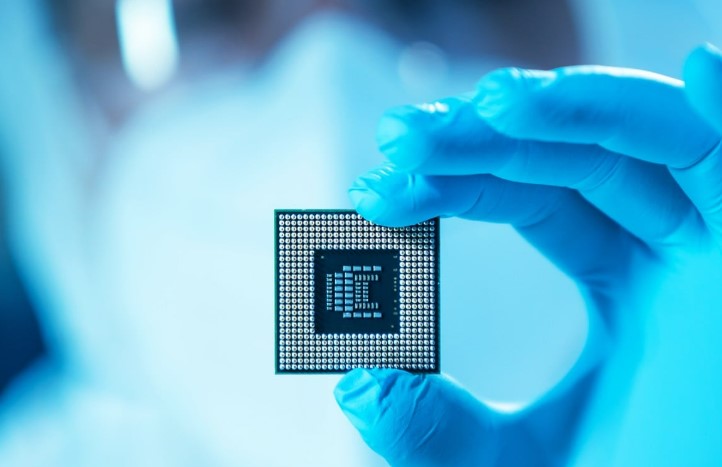
With the overall demand for integrated circuits growing beyond most expectations, a number of startup companies are trying to enter the space. Several of the biggest offerings have come from so-called fabless semiconductor companies, which are focused solely on developing and marketing new hardware. All of the actual manufacturing of their products is done by engineers at pure-play wafer foundries that have the capabilities to make chips from raw silicon. In spite of the heavy amount of media interest in design firms, new data suggests that much of the financial action is actually taking place on the manufacturing side of the equation.
Late last year, press reports indicated that Berkshire-Hathaway was getting ready to purchase more than $4.1 billion worth of stock in Taiwan Semiconductor Manufacturing, which is the largest dedicated pure-play foundry in the world. This figure might very well represent a greater amount than the total market valuation of many fabless companies. Though some of these may have enjoyed enthusiastic initial public offerings that attracted a high degree of media attention, market makers are now turning toward physical hardware firms.
Stockholders Reassess Their Investment Positions
Retail investors who plan to put money into international funds have looked at technology startups as an excellent place to enjoy explosive growth over the last few years. Companies that lacked clear business plans have struggled in the market, however, which is why so many people are beginning to reassess whether or not they should buy shares of younger firms. Government regulatory bodies have warned that some export-focused economies are potentially entering a recession period, which has furthered concerns about the viability of high-tech startups in those regions. Authorities in Singapore have claimed that the nation's top 10 export markets are all declining, and it's likely that other nations will soon make similar claims.
Nevertheless, retail shareholders who want to find opportunities for stable growth are still looking to emerging technology markets. According to Matthew Campbell, Head of Institutional Equities at the Chiba Capital Financial Group, it's quite possible that those who do so will buy into tailored equity products that try to hedge different parts of the market against each other. This helps to reduce the overall risk experienced by an investor purchasing shares of one, which makes them quite similar to computer industry-focused mutual funds. A majority of these funds trade securities from well-known international brands rather than firms that are just getting into the market. Considering their renewed focus on product development, this is likely a wise move.
Manufacturers Build Strong Research Divisions
Perhaps the biggest reason that the market seems to favor pure-play semiconductor companies is the fact that many of these are starting to throw plenty of capital behind their own R&D departments. Fabless manufacturers are primarily concerned with designing new chips, which they then lease out to wafer factories to make on their behalf. Factories that have their own dedicated design teams can eliminate the need to work with any third-parties and pass on the savings to their consumers, which often results in a dramatic increase in sales.
Samsung Electronics announced that they were investing approximately ₩300 billion for the construction of a new offshore facility in Yokohama, which is dedicated to developing new chips that their own factories can then produce. Technicians at Samsung previously ended up with an excess supply of unsold merchandise, due in part to market confusion regarding the kinds of products that consumers actually wanted to purchase. By having their own engineering teams on hand, it's likely that the Korean technology giant will be able to scale its manufacturing operations much more efficiently than it has in the past.
Due to the complexity in assembling integrated circuits, smaller companies have sometimes come up with designs that look great on paper but aren't workable once someone tries to seriously manufacture them. Experienced organizations that have a great deal of background in making these components will normally be able to handle design and marketing in-house, which often translates into better returns on the exchange over a long period of time.
Some economists even feel that this might explain why some high-tech financial brands are starting to consolidate in spite of the recent dramatic failures of lending institutions that catered to startup culture. When Hanwha acquired Ciptadana, headlines regarding recent Silicon Valley lending failures were still raging across major international news services. Representatives from Hanwha were confident about their decision, however, because they were investing in a brand that dealt more with expanding companies than new startup firms that lacked a clear path forward.
Chances are good that conventional brokerage houses will feel better about letting stockholders work with these brands than untested ones that may represent too much risk for those who don't have large capital resources backing them up.
This article does not necessarily reflect the opinions of the editors or management of EconoTimes







