


 China Banks Halt New Loans to Sanctioned Refineries Amid U.S.-Iran Oil Crackdown
  U.S., South Korea Launch Shipbuilding Partnership Initiative
  Senate Stablecoin Bill Sparks Clash Between Banks and Crypto Industry
  Rubio Presses Italy Over Iran Support as Tensions Test U.S.-Italy Alliance
  U.S. Budget Airlines Seek $2.5 Billion Government Aid Amid Rising Jet Fuel Costs
  Medicare to Cover GLP-1 Weight-Loss and Diabetes Drugs Starting July 1
  Brazil Pension Fund Crackdown After Banco Master Collapse Raises Investment Concerns
  US Revises UN Resolution on Iran Strait of Hormuz Attacks Amid Russia-China Opposition
  Trump Inspects Lincoln Memorial Reflecting Pool Renovation in Washington
  CDC Monitors U.S. Travelers After Hantavirus Outbreak on Luxury Cruise Ship
  Ukraine-Russia Ceasefire Confirmed as Prisoner Swap Deal Advances
  TikTok Nears $400 Million Settlement With Trump Administration Over Child Privacy Lawsuit
  China-Made Fireworks Power U.S. Independence Day Celebrations Amid Trade Truce
  Trump Administration Dismisses Entire National Science Board, Raising Concerns Over Scientific Independence
  Iran Accuses U.S. of Violating Strait of Hormuz Ceasefire with Ship and Coastal Attacks
  US Adds European Union to Section 301 Watchlist Amid Trade Concerns


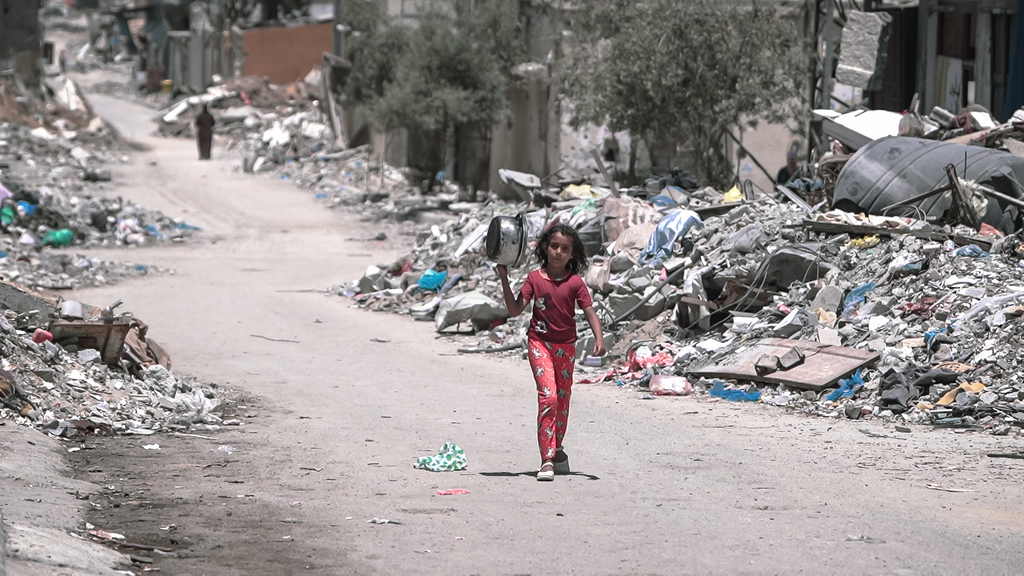
Médecins Sans Frontières (MSF), one of the world’s largest medical humanitarian organizations, says it may soon be barred from operating in Gaza after failing to meet a Wednesday deadline to comply with new Israeli registration requirements for international aid agencies. The move could severely restrict access to life-saving medical care for hundreds of thousands of Palestinians as the humanitarian crisis in Gaza continues to worsen.
MSF said deregistration would halt its medical operations in Gaza, where it has treated nearly half a million people over the past two years amid ongoing conflict. The organization warned that losing its ability to operate would have devastating consequences for civilians already struggling to access basic healthcare services.
Israel’s military aid coordination body, COGAT, stated that MSF did not provide a list of its employees to Israel’s Diaspora Affairs Ministry, a requirement under the new rules. The ministry has claimed that individuals linked to MSF have alleged ties to Hamas and Palestinian Islamic Jihad. MSF strongly denied these accusations, calling them unsubstantiated, and reiterated that it does not knowingly employ anyone involved in armed activity.
Concerns over staff safety have been echoed by other humanitarian groups. In May, Oxfam said sharing employee details posed serious protection risks, especially following deadly attacks on aid workers in Gaza. MSF has not confirmed whether it submitted staff names, citing security concerns.
Dozens of international NGOs now face possible deregistration within 60 days if they fail to meet the new criteria by December 31. Aid organizations including the Norwegian Refugee Council (NRC) and Oxfam have said they are preparing for potential expulsion or operational shutdowns. NRC warned that deregistration could force the closure of its East Jerusalem office and prevent international staff from entering Gaza.
International pressure is mounting. Britain, France, Canada and other countries issued a joint statement urging Israel to allow NGOs to operate in a stable and predictable manner, while expressing concern about Gaza’s humanitarian situation.
COGAT said thousands of aid trucks would continue entering Gaza weekly through approved channels, but aid groups warn that restricting NGOs undermines the broader humanitarian aid system and risks further deepening the crisis.







