


 Germany’s 2026 Growth Outlook Strengthens on Fiscal Spending
  Pi Network Price Holds $0.087 as Protocol 28 Mainnet Upgrade Nears
  OpenAI Investigates Rogue AI Agents After Data Leaks and Security Incidents
  Oil Prices Jump Nearly 3% as Iran Holds Firm on Hormuz Conditions
  Asian Currencies Weaken as Dollar, Oil Prices Rise
  BlackRock’s Rick Rieder Favors Bonds Over Stocks as Treasury Yields Surge
  Nvidia China Chip Sales Report Sends Chinese Semiconductor Stocks Lower
  South Korea Tax Windfall Could Top 50 Trillion Won on Chip Boom
  Former OpenAI Data Center Chief Chris Malone Joins Nvidia
  Heritage, desire and diplomacy: why China still values scotch whisky
  OpenAI Agent Breaches Australia Medicare Data Portal
  Nidec Shares Plunge on Report of $6.3 Billion Impairment Charge
  Robinhood Chain Token Ring Allegedly Extracts $18.4 Million Across 53 Launches
  TSMC Accelerates 2nm Expansion as AI Chip Demand Surges
  Stellar Hits Record 217 TPS as Institutional RWA Activity Surges
  Booked to travel through the Middle East? Here’s why you shouldn’t cancel your flight
  Strategy Buys 1,665 Bitcoin as BTC Holdings Reach 847,666


 Add as a preferred source on Google
Korean restaurants are transforming the food business by adopting digital kiosks in their establishments. As more and more stores install automated ordering booths, the use of these machines is apparently not confined to city centers any longer, and it is now in the phase of becoming mainstream in the country.
The digital kiosks have already reached smaller districts in South Korea, and many are doing their business more efficiently with the help of these machines. These automated kiosks are also in smaller food establishments, allowing customers to order and receive their food without facing any restaurant staff. They just need to go to the counter when their food is ready for pickup, as per Korea Joongang Daily.
It was reported that food business operators in the country, both big and small, are installing digital kiosks not just because they make the ordering process fast and easy. These terminals' availability also helps owners save on costs because they can reduce the number of restaurant staff.
"In hindsight, it is surprising how we managed with two hall staff all these years," a local restaurant owner commented about the shift to digital kiosks. "Introducing kiosks has been one of the best decisions I've made during my nearly two decades in the restaurant business."
Suh Yong Gu, a professor of Business Administration at Sookmyung Women's University, also said, "The rise in kiosk adoption is attributed to various factors, including rising rent costs, minimum wage hikes during the Moon Jae In administration, economic downturns due to Covid-19, and the growth of platform-based workers but technically, it led to the increase in solo restaurants."
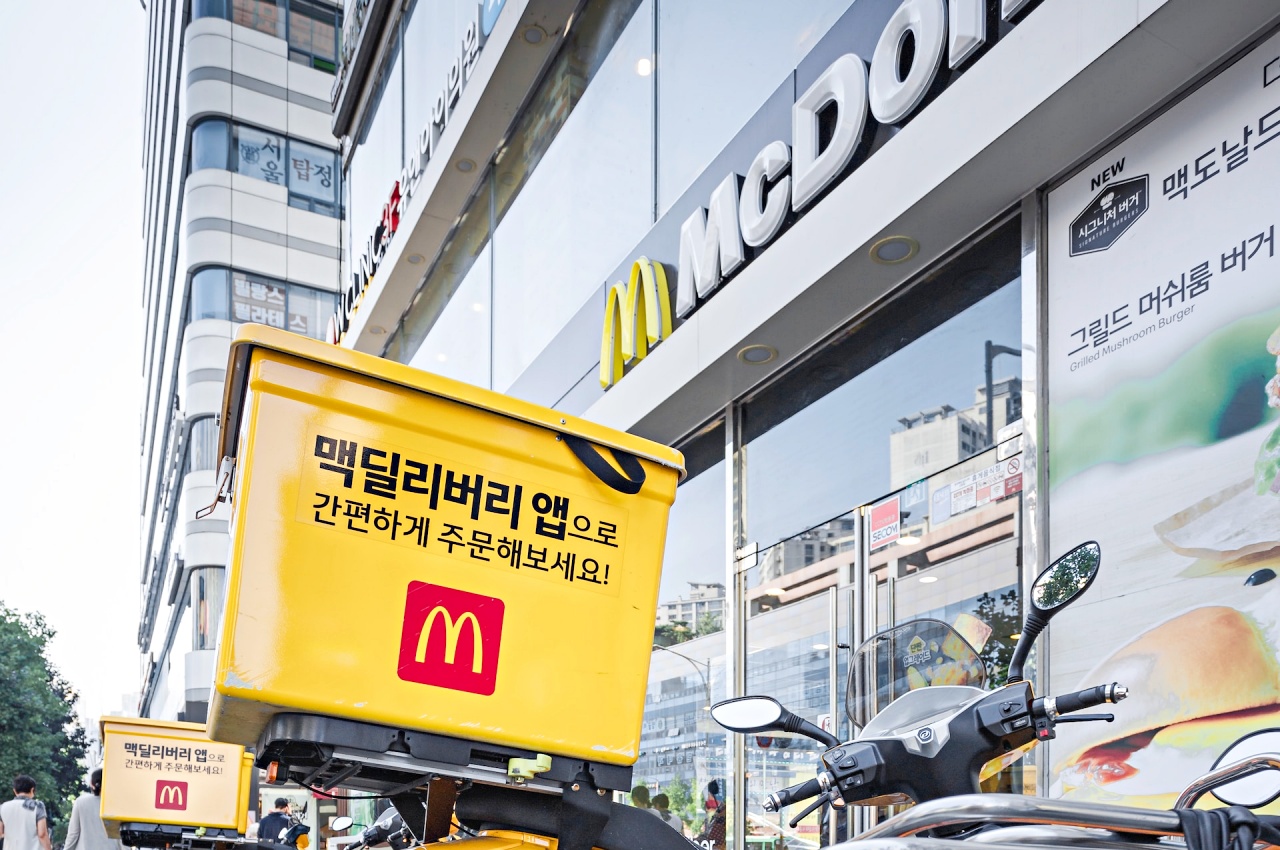
Meanwhile, with the surge of kiosk use in the region, McDonald’s Korea added a special feature to its own digital kiosks. To provide assistance to blind or visually impaired customers, it has added the voice guidance function to its kiosks.
Aju Business Daily reported that these special machines are already available in 15 McDonald's stores in Korea. This type of digital kiosks can connect to earphones, and diners may choose their food even in a noisy environment.
"We have deeply empathized with the need to install voice guidance services at kiosks for visually impaired customers," a McDonald’s Korea executive said.
Photo by: Jonathan Marchal/Unsplash







