


 QNT Whales Move $10M to Exchanges After 400% Rally
  Asian Stocks Fall as Bond Yields and Oil Prices Surge
  AI is driving down the price of knowledge – universities have to rethink what they offer
  BlackRock Sees AI Agents Fueling New Crypto Demand
  OpenAI Scraps GPT-6.1 Astra Launch Over Safety Concerns
  Robinhood Launches AI Agents for Automated Trading
  Asian Chip Stocks Tumble as OpenAI Safety Pause Sparks AI Growth Concerns
  Want to cut your energy bills? Here’s how five experts are doing it
  Why a ‘rip-off’ degree might be worth the money after all – research study
  Disaster or digital spectacle? The dangers of using floods to create social media content
  China Cuts Tariffs on U.S. Farm Goods but Excludes Soybeans
  Strategy Buys 1,665 Bitcoin as BTC Holdings Reach 847,666
  Morgan Stanley Launches Digital Asset Lab for Stablecoins and Tokenization
  6 simple questions to tell if a ‘finfluencer’ is more flash than cash
  Bitwise Launches NEAR ETF as $562 Bull Case Fuels AI Crypto Buzz


 Add as a preferred source on Google
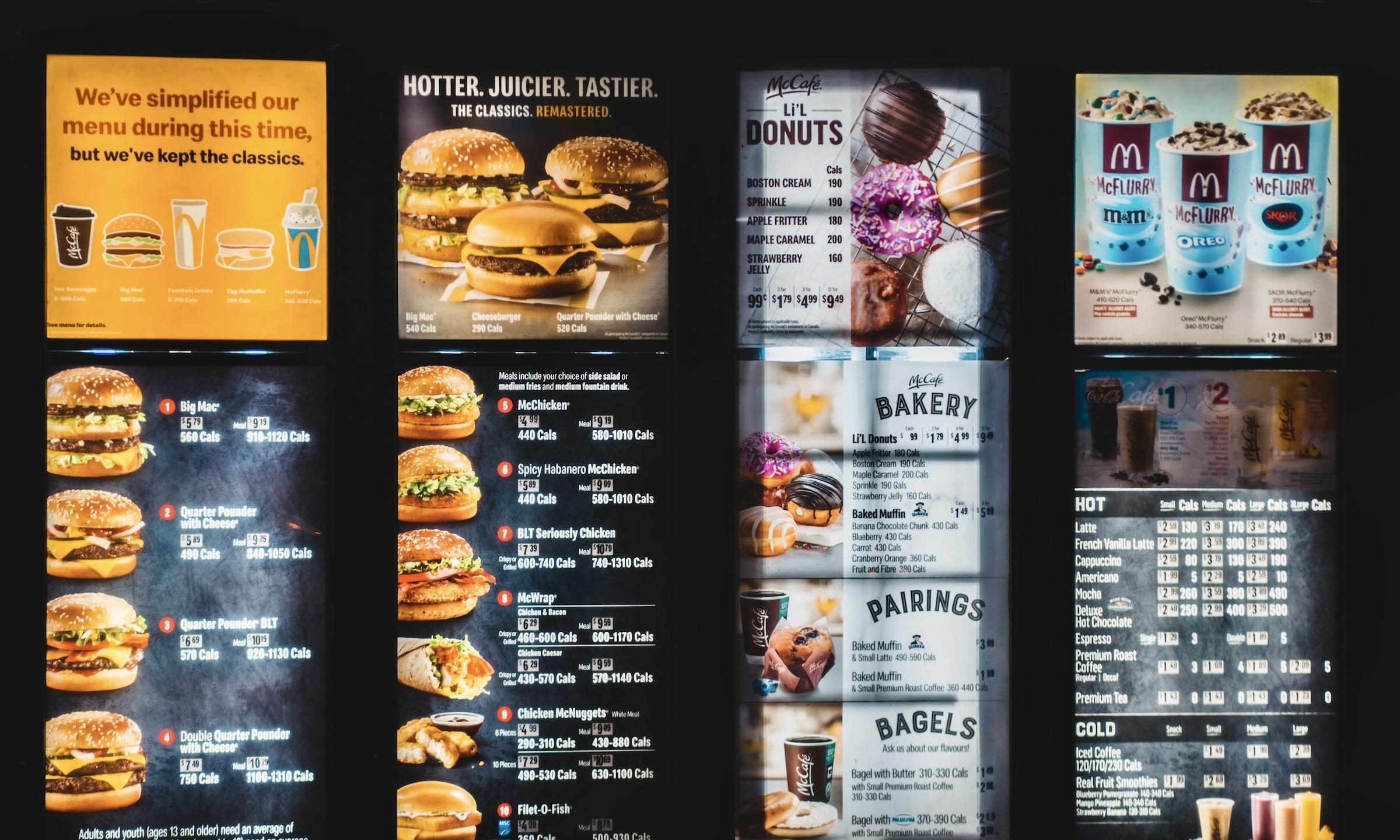
McDonald's announces a phased removal of its self-serve soda machines from dining areas, marking a shift in service dynamics. The change aims for a unified customer experience across all ordering platforms.
Then again, removing the beverage station from the dining areas of McDonald's restaurants is not happening immediately, as the company is fully implementing this plan by the end of 2032.
According to Fox Business, the burger joint will pull out the soda machines over the next 10 years. It was mentioned that this equipment has been present in McDonald's stores since 2004, and they were placed in the dining halls so customers can easily get their refills from servers.
The company said it will stop using the self-serve beverage stations to create a consistent experience for customers who order in-store or online. Moreover, McDonald's told Fox Business. "This change is intended to create a consistent experience for both customers and crew across all ordering points, whether that's McDelivery, the app, kiosk, drive-thru or in-restaurant."
The Big Mac maker did not comment when asked for further explanation for the change that will affect all of its restaurants in the United States. However, USA Today reported that store owners and operators shared that some factors, including food safety, theft prevention, and fewer dine-in customers, have also contributed to the decision. Several McDonald's locations have already removed their self-serve beverage stations for the said reasons.
"It is an evolution towards convenience and the result of the growth of digital service," Mike Petro, a store franchise owner, told the media. He and his family operate 15 McDonald's in central Illinois.
Lastly, other local franchisees mentioned the COVID-19 pandemic as another factor that led to the ditching of the beverage machines. They said McDonald's is reinventing its operations to lessen human contact, and automated beverage systems will be used instead.
Photo by: Erik Mclean/Unsplash







