


 US Launches Retaliatory Strikes on Iran Amid Rising Strait of Hormuz Tensions
  DOJ Ends Probe Into Fed Chair Jerome Powell, Boosting Kevin Warsh Confirmation Prospects
  TikTok Nears $400 Million Settlement With Trump Administration Over Child Privacy Lawsuit
  Ukraine-Russia Ceasefire Confirmed as Prisoner Swap Deal Advances
  Trump Invites Top CEOs Including Nvidia, Apple, Boeing to China Summit With Xi Jinping
  Trump and IRS in Settlement Talks Over $10 Billion Tax Return Leak Lawsuit
  Ghana Rejects U.S. Health Deal Over Data Sharing Concerns Amid Foreign Aid Shift
  Judge Delays SEC Settlement With Elon Musk Over Twitter Stock Disclosure Case
  Iran Accuses U.S. of Violating Strait of Hormuz Ceasefire with Ship and Coastal Attacks
  Judge Rules DOGE Humanities Grant Cuts Unconstitutional
  US-Iran Ceasefire Under Pressure as Fresh Strait of Hormuz Clashes Shake Oil Markets
  Trump Administration Releases New UFO Files and Apollo Mission Records
  Google Secures Pentagon AI Deal for Classified Projects
  Trump Administration Dismisses Entire National Science Board, Raising Concerns Over Scientific Independence
  Sam Altman Moves to Dismiss Punitive Damages in Sister's Sexual Abuse Lawsuit
  Federal and State Authorities Conduct Widespread Fraud Raids Across Minnesota
  US to Withdraw 5,000 Troops from Germany Amid Growing Rift with European Allies


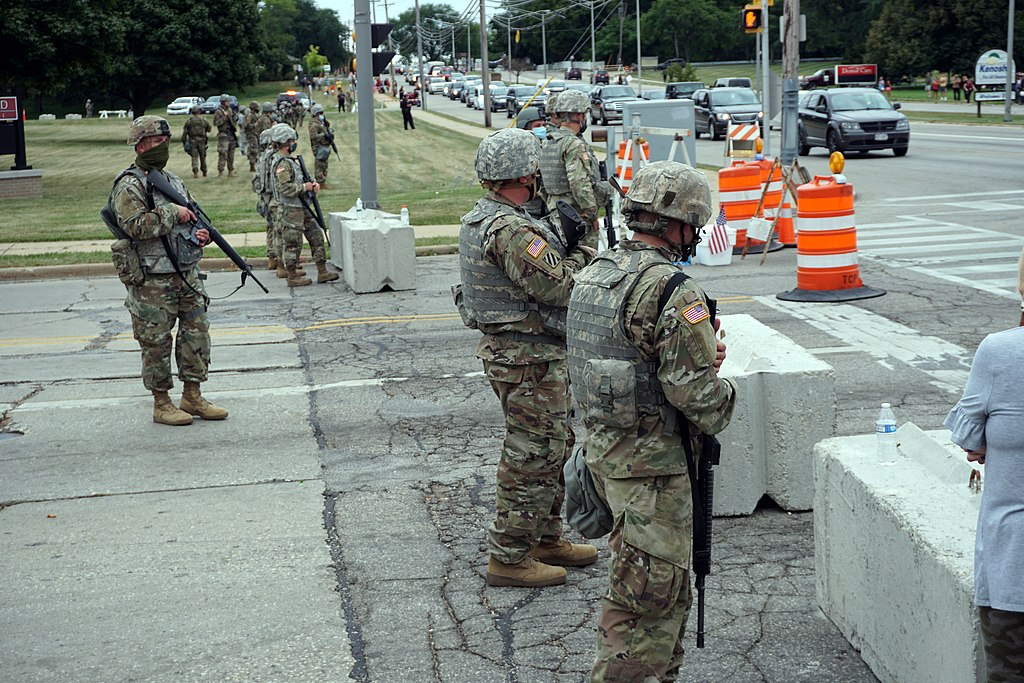
A federal judge has issued a temporary halt to President Donald Trump’s plan to deploy National Guard troops to Washington, D.C., marking a significant pause in the administration’s broader push to send military forces into U.S. cities over the objections of local officials. U.S. District Judge Jia Cobb, appointed by former President Joe Biden, ruled that the Trump administration cannot deploy Guard troops to enforce domestic law in the nation’s capital without approval from the city’s mayor. However, she delayed the enforcement of her decision until December 11, giving the administration time to appeal.
The legal battle is one of several unfolding nationwide as Trump challenges long-standing limitations on a president’s authority to use military personnel for domestic law enforcement. The dispute in Washington centers on Trump’s August 11 announcement directing National Guard troops into the city, which prompted a lawsuit from District of Columbia Attorney General Brian Schwalb on September 4. Schwalb argued that the president unlawfully seized control of local policing and violated laws restricting military involvement in civilian law enforcement.
While Washington, D.C., is not part of any state and the president holds special authority over its law enforcement matters, city leaders say Trump exceeded his powers and set a dangerous precedent. They argue that allowing federal troops to enforce civilian law without local consent undermines democratic governance.
The Trump administration has defended its actions, calling the lawsuit politically motivated. White House spokeswoman Abigail Jackson said the president acted lawfully and credited the troop deployments with reducing crime. Administration attorneys insisted Trump has full authority to deploy troops in the capital without local approval.
Beyond Washington, Trump has ordered deployments to Los Angeles, Chicago, and Portland, Oregon, citing rising crime and unrest tied to immigration enforcement. Democratic leaders have pushed back, filing lawsuits to stop what they describe as politically motivated military interventions. Trial courts have sided with local officials in each case where the deployments were challenged, though one appellate ruling has allowed troops to remain in Los Angeles.







