


 Wall Street Slides as Iran War Uncertainty, Oil Surge, and AI Fears Rattle Markets
  Trump Tariffs Show Minimal Economic Impact but Boost Federal Revenue, Study Finds
  Japan's Private Sector Growth Slows in March Amid Rising Costs and Middle East Uncertainty
  Oil Prices Climb as Iran Reviews U.S. Peace Proposal Amid Middle East Tensions
  U.S. Futures Slide as Iran Denies Nuclear Talks with Washington
  Asian Currencies Stay Muted as Dollar Holds Firm Amid Iran Uncertainty
  Asian Markets Rally as Oil Prices Tumble and Middle East Peace Hopes Emerge
  Gold Prices Climb as Middle East Ceasefire Talks Stir Market Optimism
  Oil Prices Rebound as Iran Denies U.S. Talks Amid Gulf War Supply Fears
  Gold Prices Surge on U.S.-Iran Ceasefire Reports
  Australia's Inflation Eases in February but Core Pressures Persist
  Japan Eyes Oil Futures Intervention to Stabilize Yen Amid Middle East Crisis
  Iran-Israel Missile Strikes Continue Amid Mixed Signals on U.S.-Iran Diplomacy
  Oil Prices Plunge Over 6% as Middle East Ceasefire Hopes Ease Supply Fears
  ECB Eyes Rate Hike Amid Iran Conflict-Driven Energy Price Surge
  Federal Reserve Balance Sheet Reduction: Brookings Research Outlines Possible Path Forward


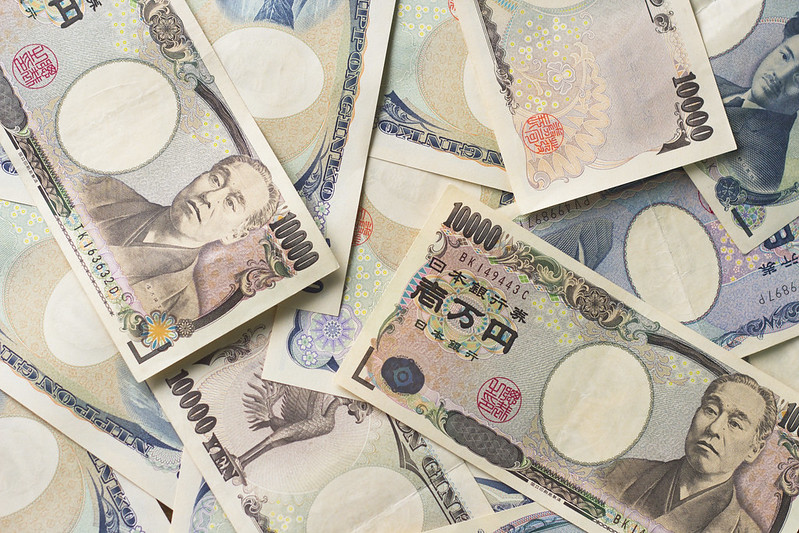
Japan’s Finance Minister Katsunobu Kato expressed concern on Friday over recent foreign exchange volatility as the yen weakened to its lowest level in four months against the U.S. dollar. Speaking at a press conference, Kato stressed the need for stable currency movements aligned with economic fundamentals, cautioning against speculative activity driving sharp fluctuations.
The yen fell to 150.89 per dollar, marking its weakest point since March 28. The decline adds pressure on Japan’s policymakers, who have been closely monitoring currency markets amid persistent weakness in the yen throughout 2024. A weaker yen benefits exporters but raises import costs, further straining households already facing higher living expenses.
Kato’s comments come a day after Bank of Japan Governor Kazuo Ueda downplayed immediate inflation risks from current exchange rates. Ueda indicated that the yen’s present levels are unlikely to significantly affect the central bank’s inflation outlook, a stance interpreted by traders as tolerance toward the currency’s softness.
Japan’s government has repeatedly signaled readiness to respond to excessive currency moves, including potential market intervention, though no direct action has been taken yet. Market watchers are closely watching for any coordinated response between the finance ministry and the Bank of Japan to stabilize the yen if volatility intensifies.
The yen’s continued slide underscores ongoing divergence between U.S. Federal Reserve policy and Japan’s ultra-loose monetary stance. With the Fed maintaining higher interest rates, the dollar remains supported, while Japan’s accommodative policy keeps downward pressure on the yen. Traders remain alert for any signals of intervention as Tokyo balances the risks of currency weakness against its economic recovery goals.













