


 Netanyahu to Meet Trump in Washington as Iran Nuclear Talks Intensify
  Nicaragua Ends Visa-Free Entry for Cubans, Disrupting Key Migration Route to the U.S.
  Trump’s Inflation Claims Clash With Voters’ Cost-of-Living Reality
  Taiwan Says Moving 40% of Semiconductor Production to the U.S. Is Impossible
  New York Legalizes Medical Aid in Dying for Terminally Ill Patients
  Trump Slams Super Bowl Halftime Show Featuring Bad Bunny
  Bangladesh Election 2026: A Turning Point After Years of Political Suppression
  China Warns US Arms Sales to Taiwan Could Disrupt Trump’s Planned Visit
  Jack Lang Resigns as Head of Arab World Institute Amid Epstein Controversy
  Ghislaine Maxwell to Invoke Fifth Amendment at House Oversight Committee Deposition
  Sydney Braces for Pro-Palestine Protests During Israeli President Isaac Herzog’s Visit
  Trump Lifts 25% Tariff on Indian Goods in Strategic U.S.–India Trade and Energy Deal
  India–U.S. Interim Trade Pact Cuts Auto Tariffs but Leaves Tesla Out
  Japan’s Prime Minister Sanae Takaichi Secures Historic Election Win, Shaking Markets and Regional Politics
  Anutin’s Bhumjaithai Party Wins Thai Election, Signals Shift Toward Political Stability
  Trump Signs Executive Order Threatening 25% Tariffs on Countries Trading With Iran
  Bosnian Serb Presidential Rerun Confirms Victory for Dodik Ally Amid Allegations of Irregularities


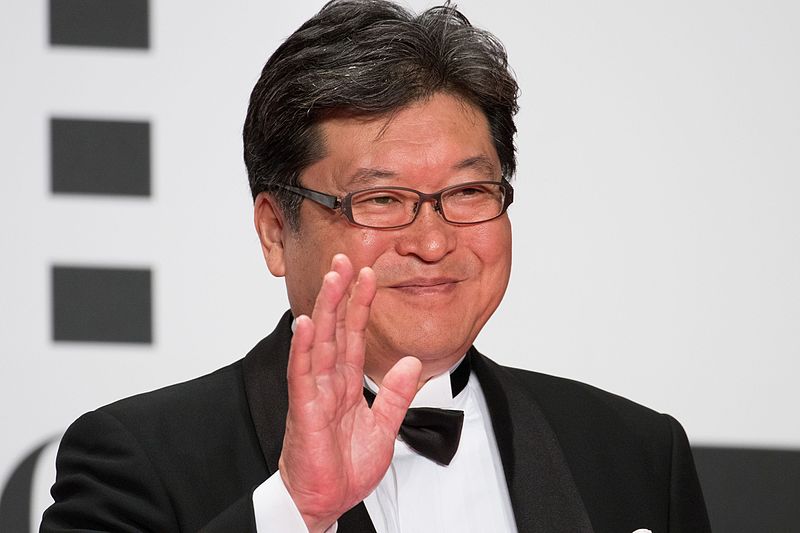
A member of Japan’s governing Liberal Democratic Party said the country must increase its defense spending amidst the growing threat posed by China in the region. The lawmaker’s comments come during a visit to the island nation of Taiwan, which Beijing claims as its territory.
Speaking at a forum for Japan-Taiwan relations Sunday, Japanese lawmaker Koichi Hagiuda of the LDP said that Japan must increase its defense spending amidst the growing threat that both China and North Korea pose in the region. Hagiuda said that since World War II, Japan has “walked the path of peace”, and that stance will not change.
“However, just reciting the word peace of course is not enough for our peace to be protected,” said Hagiuda, noting that China has further increased its massive military spending and that North Korea has moved forward with its missile tests as a reason for Tokyo to raise its defense budget.
“In the face of such grim reality, half measures have no meaning at all,” said Hagiuda, adding that Japan’s defense capability is important to protect lives and that peace must be developed immediately rather than in a span of five years. “It’s important to show clearly that we have sufficient capacity to make any would-be aggressor think twice.”
While Taiwan and Japan do not have any formal diplomatic ties, both nations have unofficial close relations and have common concerns about China. Japan hosts several US military bases, including in Okinawa, which would be important for any US support in a potential attack from China.
On Saturday, Taiwanese President Tsai Ing-wen pledged to strengthen security cooperation with Japan in order to ensure freedom in the Indo-Pacific region during her meeting with Hagiuda. During their meeting, Tsai thanked Hagiuda for Japan’s support in issues pertaining to security in the contested Taiwan Strait, which China also claims as its territory.
“We have seen in recent years, Taiwan-Japan relations have become ever closer,” said Tsai. “In the future, Taiwan will continue to deepen cooperation with Japan in various fields such as security, and work together to ensure the freedom, openness, and stability of the Indo-Pacific region.”













