


 UN Experts Condemn Trump’s Cuba Fuel Blockade Amid Deepening Energy Crisis
  Trump Announces Russia-Ukraine Ceasefire for May 9-11 Amid Ongoing Peace Talks
  Judge Rules DOGE Humanities Grant Cuts Unconstitutional
  Trump Says U.S. Navy Destroyers Passed Strait of Hormuz Under Iranian Fire
  Google Secures Pentagon AI Deal for Classified Projects
  Trump Expands Cuba Sanctions Targeting Key Sectors and Foreign Entities
  Iran Accuses U.S. of Violating Strait of Hormuz Ceasefire with Ship and Coastal Attacks
  Senate Stablecoin Bill Sparks Clash Between Banks and Crypto Industry
  US Reviews Mexican Consulates Amid Rising Diplomatic Tensions
  White House Withdraws Trump’s National Park Service Nominee Amid Criticism
  Panama Defends Port Takeover Amid U.S.-China Tensions and Canal Dispute
  Judge Delays SEC Settlement With Elon Musk Over Twitter Stock Disclosure Case
  Rubio Presses Italy Over Iran Support as Tensions Test U.S.-Italy Alliance
  Israel’s Secret Iraq Base Allegedly Supported Iran Air Campaign, WSJ Reports
  Trump Invites Top CEOs Including Nvidia, Apple, Boeing to China Summit With Xi Jinping
  Rubio Approves $25.8 Billion Weapons Sale to Middle East Allies
  China Banks Halt New Loans to Sanctioned Refineries Amid U.S.-Iran Oil Crackdown


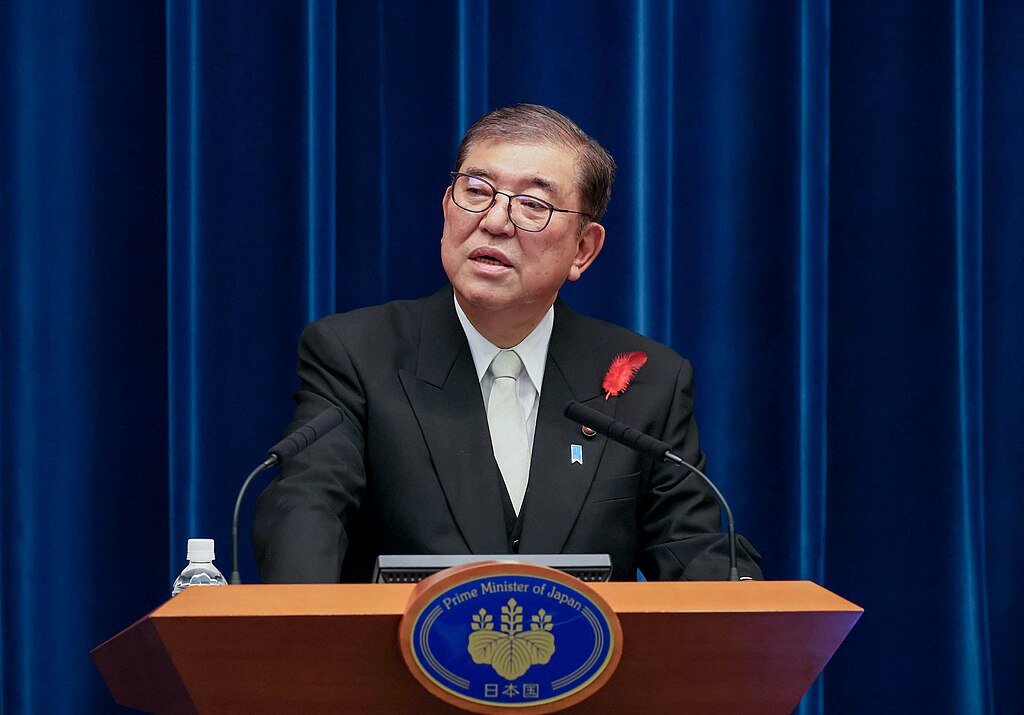
Japanese Prime Minister Shigeru Ishiba announced on Friday a new emergency economic package aimed at cushioning households and industries from the effects of recent U.S. import tariffs. The relief plan, outlined in a government document, includes fuel subsidies, electricity bill support, and expanded corporate financing.
Key measures include a 10-yen ($0.07) per liter subsidy on gasoline and partial coverage of electricity bills for three months starting July. To support small and medium-sized enterprises (SMEs), which are especially vulnerable to global economic shifts, the government will expand eligibility for low-interest loans from state-backed financial institutions.
“I’ve directed cabinet members to prioritize assistance for firms and families concerned about the impact of tariffs,” said Ishiba during a tariff task force meeting. He emphasized that industries such as automotive and steel—which are critical to Japan’s economic growth—could be severely affected.
Economy Minister Ryosei Akazawa noted that the stimulus could be financed through an existing reserve fund, avoiding the need for a supplementary budget. He added that Japan is prepared to roll out further measures to boost domestic consumption if the situation worsens.
The move comes after U.S. President Donald Trump implemented a 25% tariff on car and truck imports on April 2, followed by a 24% tariff on all Japanese goods, which was later reduced to 10% for a 90-day period. Akazawa, who also serves as Japan’s chief trade negotiator, is scheduled to visit Washington next week for a second round of trade talks.
According to the Nikkei, Japan may increase U.S. soybean imports as part of ongoing negotiations, signaling a willingness to make concessions to ease tensions and protect its key industries.







