


 Gold Prices Slide as Hawkish Fed and Strong Dollar Weigh on Bullion
  US-Iran Peace Talks Show Progress as Switzerland Negotiations Continue
  Canada Imposes 10% Tariff on Canned Vegetable Imports to Protect Domestic Industry
  UNAIDS Urges U.S. to Reconsider South Africa HIV Funding Withdrawal
  US Dollar Hits One-Year High as Hawkish Fed Outlook Overshadows Middle East Developments
  Yen Near 40-Year Lows Despite BOJ Rate Hike, Markets Brace for Possible Intervention
  Bolivia Eases Protest Blockades as Military Plane Crash Kills Six
  Moscow Downs Dozens of Ukrainian Drones as Airports Halt Flights Amid Escalating Attacks
  Alan Greenspan: 7 Fascinating Facts About the Former Fed Chairman
  Asian Stocks Surge as Oil Prices Fall and Strong US Dollar Weighs on Markets
  Taiwan Launches Five-Day Combat Readiness Drill Amid Rising China Military Activity
  Russia Stocks End Flat as MOEX Index Hits New 52-Week Low; Gold Falls and Oil Mixed
  Keir Starmer Faces Growing Pressure as Andy Burnham’s Victory Sparks Labour Leadership Debate
  Pirro Warns of Prosecution for Lincoln Memorial Reflecting Pool Vandalism Amid Renovation Issues
  China’s AI Manufacturing Boom Masks Weak Consumer Economy, Citi Says
  With Iran and the US signing a peace deal, where does that leave Benjamin Netanyahu?
  Meloni Fires Back at Trump Over Popularity Jibe and Italy’s Sovereignty


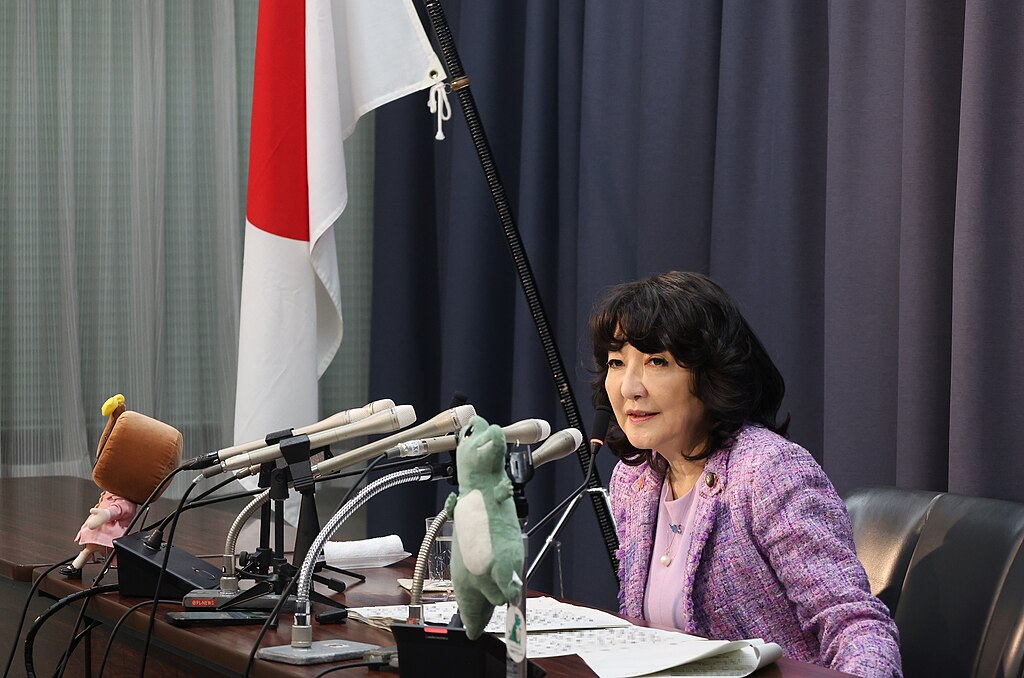
Japan’s Finance Minister Katayama reportedly held an online meeting with U.S. Treasury Secretary Scott Bessent late Monday to address the Japanese yen’s continued depreciation against the U.S. dollar, according to a report from local broadcaster TBS citing sources familiar with the matter.
The discussion centered on the yen’s sharp decline and potential policy measures to stabilize the currency. Among the topics reportedly considered was the possibility of further foreign exchange market intervention if the yen continues to weaken.
The Japanese yen briefly fell to around 161.9 per dollar late Monday, approaching a two-year low reached last week. Market analysts note that a move beyond 161.96 would push the currency to its weakest level since 1986, highlighting growing pressure on Japanese policymakers to respond.
The ongoing weakness of the yen has become a major concern for Japan’s economy, as a weaker currency increases import costs and adds inflationary pressure on households and businesses. At the same time, currency volatility has attracted significant attention from global investors monitoring the foreign exchange market.
Earlier this year, Japanese authorities carried out record-breaking currency intervention efforts to support the yen. Between late April and early May, Tokyo spent approximately 11.7 trillion yen, equivalent to about $72.44 billion, in foreign exchange operations. The intervention marked the largest amount ever deployed by Japan to defend its currency in the market.
The latest talks between Japanese and U.S. officials underscore the growing importance of exchange rate stability as the yen remains near multi-decade lows. Investors are now closely watching for any signals from Tokyo regarding additional intervention measures or coordinated policy actions aimed at preventing further depreciation.
With the USD/JPY exchange rate hovering near historic levels, market participants expect heightened volatility and increased scrutiny of future monetary and currency policy decisions from both Japan and the United States.







