


 Zelenskiy Returns Polish Honor as WWII History Dispute Strains Ukraine-Poland Relations
  US Tightens Ebola Controls as Congo Outbreak Sparks Global Concern
  Keir Starmer Faces Growing Pressure as Reports Suggest Possible Resignation
  The four types of dementia most people don’t know exist
  Trump Predicts Keir Starmer’s Exit as UK Prime Minister Amid Growing Political Pressure
  RFK Jr. Expands CDC Vaccine Advisory Panel's Scope Amid Legal Battles
  Moscow Downs Dozens of Ukrainian Drones as Airports Halt Flights Amid Escalating Attacks
  Hantavirus Cruise Ship Outbreak Triggers Global Health Alert
  Gaza Death Toll Rises as Israeli Strikes Kill Nine Amid Ceasefire Stalemate
  RFK Jr. Spokesman Resigns Over Trump Administration’s Flavored E-Cigarette Policy
  Japan, U.S. Discuss Yen Weakness as Currency Intervention Concerns Grow
  How Donald Trump has changed the way diplomacy is done
  Supreme Court Blocks 5th Circuit Ruling on Abortion Pill Access
  CDC Expands Ebola Screening Efforts at U.S. Entry Points Amid Congo and Uganda Outbreak
  Supreme Court Blocks 5th Circuit Ruling on Abortion Pill Access


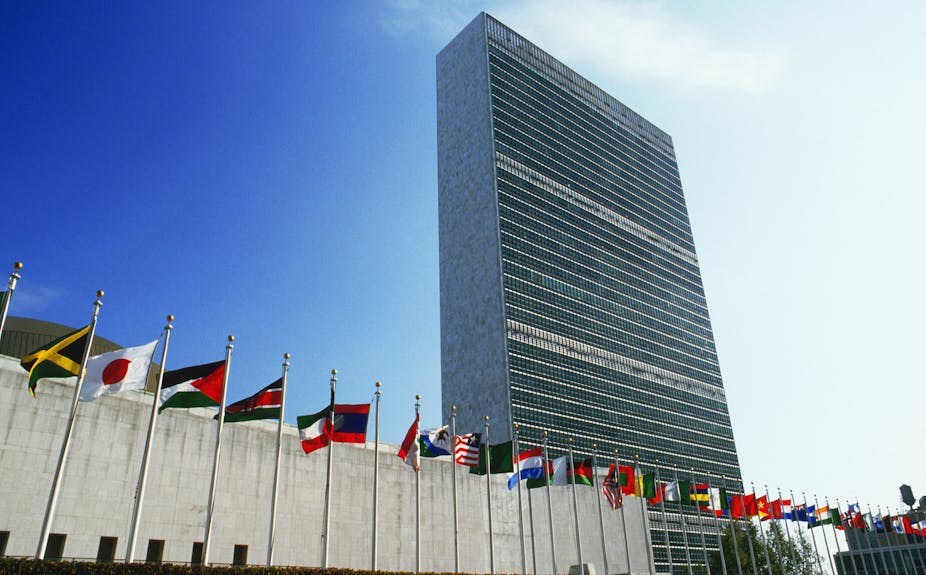
The head of UNAIDS, Winnie Byanyima, has urged the United States to reconsider its decision to withdraw HIV/AIDS funding for South Africa, warning that the move could put millions of vulnerable people at risk and potentially cost lives. Speaking ahead of a high-level United Nations conference on HIV/AIDS, Byanyima expressed concern over the impact of the planned reduction in support from the President’s Emergency Plan for AIDS Relief (PEPFAR), a key program in the global fight against HIV/AIDS.
According to the U.S. State Department, Washington has decided to begin a phased drawdown of PEPFAR funding in South Africa, citing the country’s failure to meet certain policy expectations set by the administration. The department stated that PEPFAR was never intended to be a permanent funding source and emphasized that South Africa, as a middle-income country, has the capacity to finance its own healthcare programs.
Recent reports suggest the decision may also be linked to broader diplomatic disagreements between the two countries, including concerns over South Africa’s relationship with Iran and domestic policy issues. However, Byanyima stressed that withdrawing HIV funding could have severe humanitarian consequences.
South Africa has the world’s largest population of people living with HIV, with approximately 8 million infected individuals. While the country funds its own HIV medication programs, PEPFAR has historically contributed more than $400 million annually and supported the salaries of around 15,000 healthcare workers. The program has accounted for roughly 17% of South Africa’s HIV response funding.
Byanyima also warned that broader cuts to global development assistance are threatening decades of progress in HIV prevention and treatment. UNAIDS data show that more than 32 million of the nearly 40 million people living with HIV worldwide are receiving treatment. However, around 9 million still lack access to care, while 1.2 million new infections were recorded last year.
The UNAIDS chief said early signs of disruption are already emerging, including a 22% decline in HIV testing in high-burden countries and significant reductions in condom distribution. She cautioned that these setbacks could reverse years of progress and jeopardize the global goal of ending AIDS as a public health threat by 2030.
Calling for a carefully managed transition rather than abrupt funding cuts, Byanyima urged donor nations to maintain support for life-saving HIV programs. She emphasized that reducing funding without adequate planning risks increasing HIV infections, undermining treatment access, and reversing hard-won gains in the global fight against AIDS.







