


 Asian Currencies Steady as Dollar Holds Firm Ahead of Fed Decision and US-Iran Deal Details
  Gold Holds Gains as Oil Prices Retreat and Fed Decision Looms
  BOJ Signals More Rate Hikes as Inflation Risks Rise Amid Energy Price Pressures
  Gold Prices Rebound on U.S.-Iran Peace Deal Optimism Despite Fed Rate Hike Signals
  Fed Chair Kevin Warsh Signals Policy Overhaul as Hawkish Rate Outlook Rattles Markets
  Oil Prices Ease as Markets Weigh U.S.-Iran Peace Deal and Strait of Hormuz Reopening
  Asian Currencies Stabilize as Dollar Holds Near Two-Month High After Fed Hawkish Signal
  Europe EV Demand Surges as Fuel Prices Rise Amid Iran Conflict
  Asian Stocks Rally as Japan and South Korea Reach Record Highs on US-Iran Peace Deal
  Oil Prices Recover Slightly as U.S. Crude Inventories Fall, But Iran Deal Caps Gains
  ASX Proposes New Share Dilution Limits for Public Takeovers
  Dollar Slips as U.S.-Iran Peace Deal Optimism Boosts Risk Appetite Ahead of Fed Decision
  Asian Stocks Advance as Nikkei Nears Record High Ahead of Fed Decision
  Trump Questions USMCA Renewal as Trade Talks Continue
  Dollar Surges After Fed Holds Rates Steady, Signals Potential Tightening Ahead
  Oil Prices Drop as U.S.-Iran Peace Deal Eases Supply Concerns
  US-Iran Ceasefire Deal Extends Peace Talks and Eases Oil Trade Restrictions


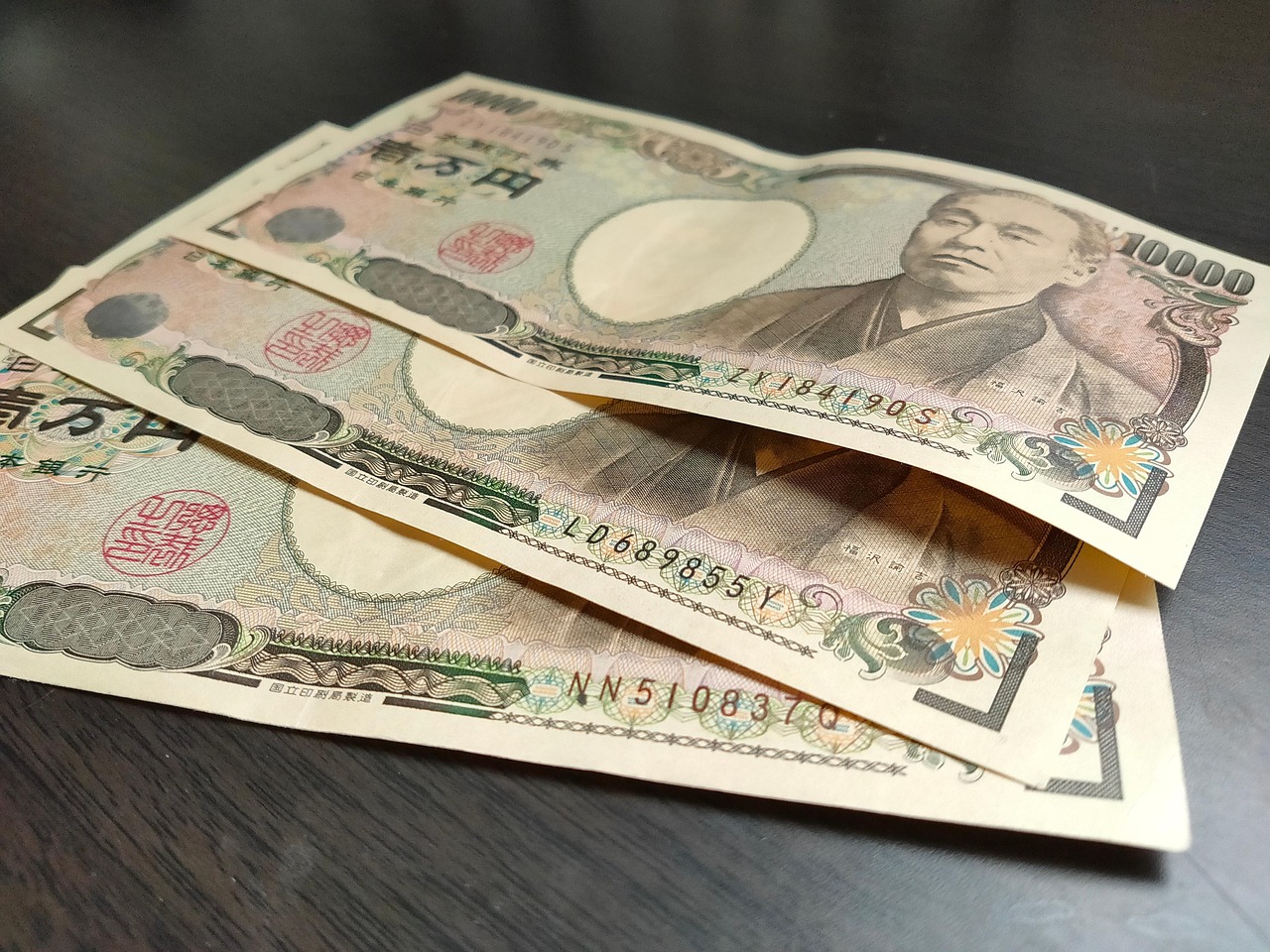
The Japanese yen remained close to its weakest level in nearly four decades on Friday, as concerns over Japan’s fiscal outlook and limited impact from recent policy actions continued to pressure the currency. Market participants are increasingly watching for another round of government intervention as the yen hovers near critical levels against the U.S. dollar.
The yen strengthened slightly by 0.1% to 161.205 per dollar after sliding to a two-year low on Thursday. Trading activity remained subdued due to public holidays in the United States and several Asian markets. Despite Japan’s Ministry of Finance conducting dollar-selling intervention earlier this year and the Bank of Japan (BOJ) raising interest rates to their highest level in 31 years last week, the currency has struggled to regain momentum.
Investor sentiment has also been weighed down by concerns surrounding Prime Minister Sanae Takaichi’s spending plans, raising doubts about Japan’s fiscal discipline. According to IG market analyst Tony Sycamore, Japanese authorities are likely to defend the 161.95 level if tested, potentially deploying intervention measures similar in scale to those carried out in April and May, totaling approximately ¥11.7 trillion.
Meanwhile, Japan’s economic data showed annual core inflation remained below the BOJ’s 2% target for a fourth consecutive month in May. Government fuel subsidies helped offset higher raw material and energy costs linked to recent Middle East tensions. However, Capital Economics expects inflation to accelerate toward 3.5% by early 2027 as higher energy costs gradually feed into utility bills and consumer prices.
Minutes from the BOJ’s April policy meeting revealed that some board members favored faster interest rate increases if geopolitical tensions persist and inflation risks intensify. BOJ Deputy Governor Ryozo Himino reiterated that the central bank remains prepared to continue raising rates should underlying inflation exceed its target.
In broader currency markets, the U.S. Dollar Index held near 100.81 after reaching a one-year high. The British pound traded steady at $1.3205 after the Bank of England left interest rates unchanged at 3.75%, while the euro remained stable at $1.1459. The Australian dollar edged lower to $0.7011, and the New Zealand dollar held at $0.5756.
Cryptocurrency markets were also relatively quiet, with Bitcoin slipping 0.2% to $62,868 and Ether remaining unchanged near $1,709.







