


 Trump Seeks Quick End to U.S.-Iran Conflict Amid Ongoing Middle East Tensions
  U.S. Deploys Elite 82nd Airborne Troops to Middle East Amid Iran Tensions
  Taiwan Arms Deal on Track Despite U.S.-China Summit Uncertainty
  Australia-EU Free Trade Deal Signed After Years of Negotiations
  Pakistan's Diplomatic Rise: Mediating U.S.-Iran Peace Talks
  WTO Reform Talks Begin in Cameroon Amid Global Trade Tensions
  Wall Street Slides as Iran War Uncertainty, Oil Surge, and AI Fears Rattle Markets
  US-Iran Ceasefire Talks Underway: What You Need to Know
  Maduro Faces Rare Narcoterrorism Charges in U.S. Court
  Trump Tariffs Show Minimal Economic Impact but Boost Federal Revenue, Study Finds
  U.S. Stock Futures Steady as Iran Reviews U.S. Ceasefire Proposal
  Denmark Election 2026: Frederiksen Eyes Third Term Amid Trump-Greenland Tensions
  Iran-Israel Missile Strikes Continue Amid Mixed Signals on U.S.-Iran Diplomacy
  Asian Currencies Stay Muted as Dollar Holds Firm Amid Iran Uncertainty
  Israel Eyes Litani River as New Border Amid Escalating Lebanon Offensive
  Trump Administration Opens Two New Investigations Into Harvard Over Discrimination and Antisemitism
  Trump Backs Down on Iran Strikes After Gulf Allies Sound the Alarm


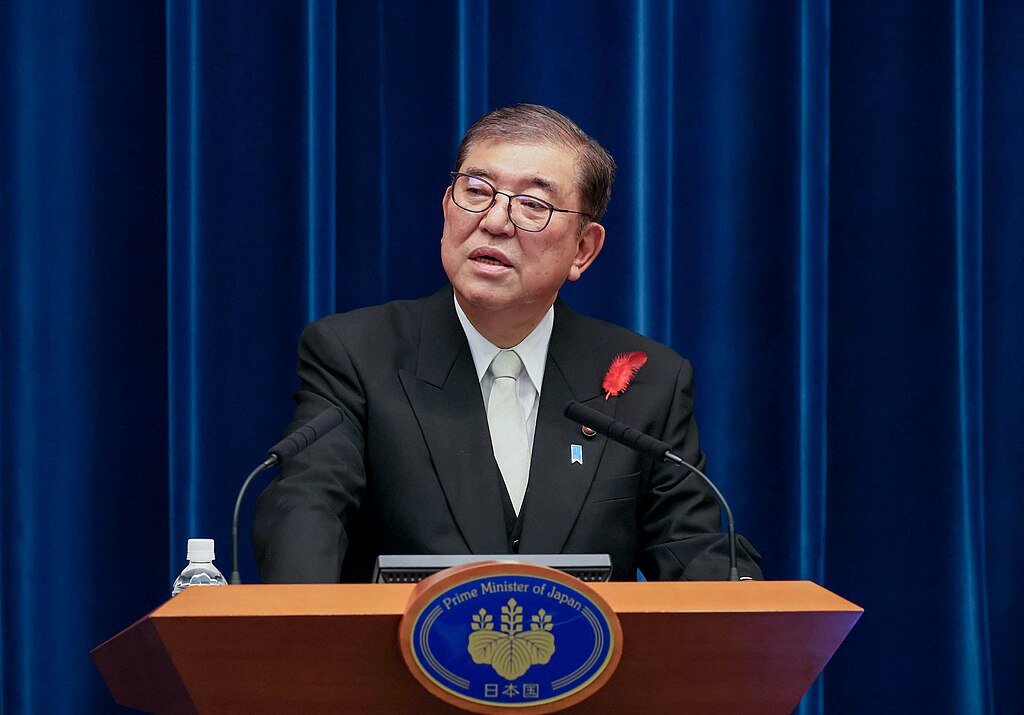
Japan must brace for the economic impact of rising interest rates, which could significantly increase government debt servicing costs and strain national spending plans, Prime Minister Shigeru Ishiba warned on Monday.
Speaking before parliament, Ishiba emphasized that Japan is entering a new economic phase characterized by a gradual upward trend in interest rates. This shift poses risks for a country already burdened with one of the world’s highest debt-to-GDP ratios. As borrowing costs climb, the government may face growing pressure to reassess its fiscal priorities.
"Japan’s debt level is high relative to GDP," Ishiba stated. "When interest rates rise, debt financing becomes more expensive, potentially weighing on our ability to fund key public expenditures."
His comments highlight growing concerns among policymakers about balancing fiscal discipline with necessary public investment, especially in the face of global inflation trends and tightening monetary policy. Ishiba stressed the importance of maintaining market confidence and public trust in Japan’s financial management, calling for prudent policymaking and long-term economic planning.
Analysts note that even small rate hikes could substantially increase Japan’s interest payments, given its outstanding debt. Market observers are watching closely as the Bank of Japan gradually pivots from its long-standing ultra-loose monetary policy, signaling potential normalization after years of deflationary pressures.
With rising interest rates likely to become a structural feature of the Japanese economy, Ishiba’s remarks underscore the urgency for reforms aimed at enhancing fiscal resilience and transparency. Investors and international institutions alike will be monitoring Japan’s fiscal strategy as it navigates the economic consequences of shifting interest rate dynamics.













