


 Trump Allegedly Sought Airport, Penn Station Renaming in Exchange for Hudson River Tunnel Funding
  Nighttime Shelling Causes Serious Damage in Russia’s Belgorod Region Near Ukraine Border
  Jack Lang Resigns as Head of Arab World Institute Amid Epstein Controversy
  India–U.S. Interim Trade Pact Cuts Auto Tariffs but Leaves Tesla Out
  Iran–U.S. Nuclear Talks in Oman Face Major Hurdles Amid Rising Regional Tensions
  TrumpRx Website Launches to Offer Discounted Prescription Drugs for Cash-Paying Americans
  Trump Signs “America First Arms Transfer Strategy” to Prioritize U.S. Weapons Sales
  Trump’s Inflation Claims Clash With Voters’ Cost-of-Living Reality
  US Pushes Ukraine-Russia Peace Talks Before Summer Amid Escalating Attacks
  Norway Opens Corruption Probe Into Former PM and Nobel Committee Chair Thorbjoern Jagland Over Epstein Links
  Trump Backs Nexstar–Tegna Merger Amid Shifting U.S. Media Landscape
  U.S.-India Trade Framework Signals Major Shift in Tariffs, Energy, and Supply Chains
  New York Legalizes Medical Aid in Dying for Terminally Ill Patients
  Japan Election 2026: Sanae Takaichi Poised for Landslide Win Despite Record Snowfall
  Trump Lifts 25% Tariff on Indian Goods in Strategic U.S.–India Trade and Energy Deal
  Trump Signs Executive Order Threatening 25% Tariffs on Countries Trading With Iran


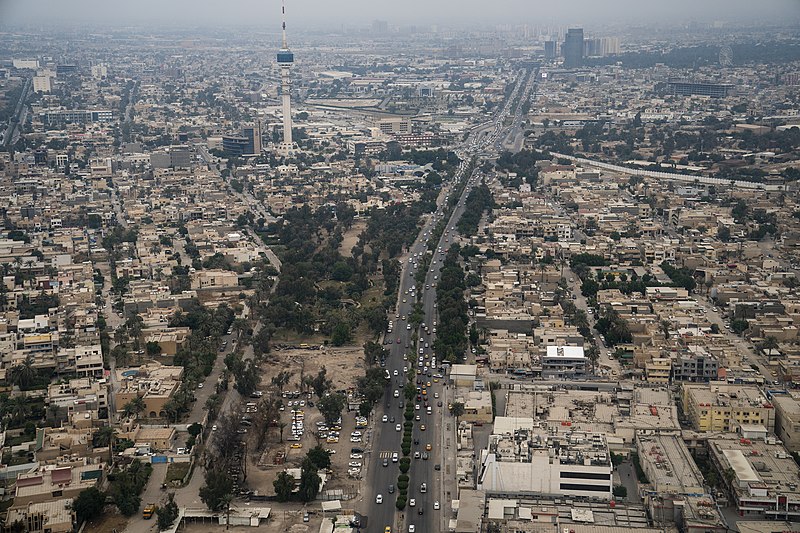
The escalated protests by supporters of Iraqi cleric Muqtada al-Sadr led the country’s security forces to implement a nationwide curfew. Following the withdrawal of Sadr’s supporters, security forces walked back their plan to implement the curfew.
Iraq’s security forces Tuesday walked back the plan to implement a nationwide curfew in light of the escalated protests, according to state media. The walk back by the security forces came after Sadr called on his supporters to stop the protests that have escalated into violence. 22 people were killed in the clashes between militias loyal to him and pro-Iran factions.
“This is not a revolution because it has lost its peaceful character,” said Sadr in televised remarks. “The spilling of Iraqi blood is forbidden.”
People were seen leaving the fortified Green Zone by the one-hour deadline Sadr gave.
The clashes between the rival factions of Iraq’s Shi’ite Muslim majority follow 10 months of deadlock that took place after the October elections. While Sadr and his faction gained the most seats in parliament, they were unsuccessful in forming a government that excluded the pro-Iran Shi’ite groups.
The weeks-long protests escalated when Sadr announced that he was quitting politics, citing the failure of other Shi’ite leaders and parties to reform the country’s governing system. Prior to Sadr’s address, an official for the Iraqi government said authorities are unable to impose control over the armed groups.
The official said the country’s military is also just as divided between those who are pro-Iran and those who support Sadr.
State media also reported that following Sadr’s call for his supporters to disperse and stop the protests, Iran reopened its border with Iraq. Tehran closed its borders and stopped flights to Iraq when the demonstrations turned violent.
Millions of Iranians travel to Kerbala in Iraq every year for Arbaeen, the ritual that marks the end of the 40-day mourning period for Imam Hussein, the grandson of the Prophet Mohammad. This year’s Arbaeen will take place on September 16 to 17.
“As security and calm have been restored in Iraq, all borders are open now,” said an Iranian official, according to state television.













