


 Federal Judge Restores Funding for Gateway Rail Tunnel Project
  Jack Lang Resigns as Head of Arab World Institute Amid Epstein Controversy
  China Warns US Arms Sales to Taiwan Could Disrupt Trump’s Planned Visit
  South Korea Assures U.S. on Trade Deal Commitments Amid Tariff Concerns
  India–U.S. Interim Trade Pact Cuts Auto Tariffs but Leaves Tesla Out
  Norway Opens Corruption Probe Into Former PM and Nobel Committee Chair Thorbjoern Jagland Over Epstein Links
  TrumpRx Website Launches to Offer Discounted Prescription Drugs for Cash-Paying Americans
  Nighttime Shelling Causes Serious Damage in Russia’s Belgorod Region Near Ukraine Border
  Ohio Man Indicted for Alleged Threat Against Vice President JD Vance, Faces Additional Federal Charges
  Trump Lifts 25% Tariff on Indian Goods in Strategic U.S.–India Trade and Energy Deal
  New York Legalizes Medical Aid in Dying for Terminally Ill Patients
  Missouri Judge Dismisses Lawsuit Challenging Starbucks’ Diversity and Inclusion Policies
  U.S. Lawmakers to Review Unredacted Jeffrey Epstein DOJ Files Starting Monday
  Japan Election 2026: Sanae Takaichi Poised for Landslide Win Despite Record Snowfall
  Trump Backs Nexstar–Tegna Merger Amid Shifting U.S. Media Landscape
  Netanyahu to Meet Trump in Washington as Iran Nuclear Talks Intensify
  Trump Signs Executive Order Threatening 25% Tariffs on Countries Trading With Iran


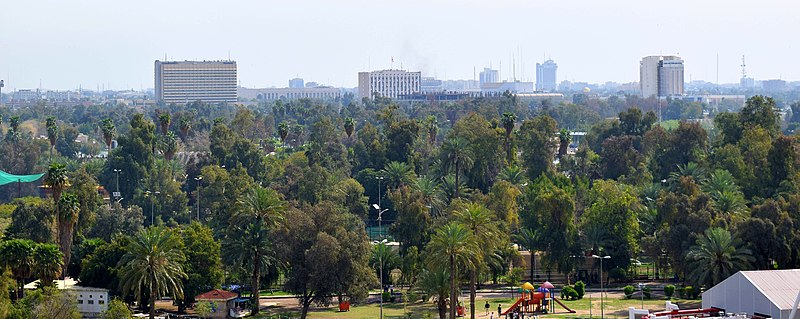
Political tensions remain high in Iraq as its government remains at a standstill. The top judicial body of the country responded to Iraqi Shia leader Muqtada al-Sadr’s warning, saying it has no authority to dissolve parliament.
Iraq’s Supreme Judicial Council responded to the call of Sadr to dissolve parliament, saying that it has no authority to make such a decision. Sadr previously warned to dissolve parliament for new elections to take place. The council said it has no authority to interfere in the executive and legislative decisions.
The council said in its statement, however, that it agrees with Sadr’s criticism of the system’s “failure to elect a president of the republic, a prime minister, and the absence of a government formed within a constitutional timeframe.”
“This is an unacceptable situation that must be remedied,” said the statement.
The response by the judiciary would likely escalate tensions between Sadr’s supporters and the Iran-backed groups under the Coordination Framework. Sadr’s supporters stormed parliament to suspend a session that would nominate a new prime minister.
Sadr’s bloc won the most seats in the October elections last year. However, the bloc fell short of having a majority that could exclude the pro-Iran lawmakers. Sadr and his lawmakers resigned from parliament after eight months of deadlock.
Sadr also called on his supporters Saturday night to be ready to hold massive protests all over the country, which would increase tensions in its political climate. Sadr did not specify the date of when the protests would take place.
Along with the supporters of Sadr, those who support the pro-Iran groups have also taken to the streets to protest, insisting that a new government be formed based on the results of the elections back in October.
The protests appear to underline the political divisions in the country, with fears of unrest increasing from the recent protests and counter-protests.
The populist Sadr has been looking to strengthen ties with Arab nations, including Iran’s rival in the region, Saudi Arabia. Sadr has also been critical of the widespread corruption in the country, plagued by the US-led war and the violence that followed.













