


 Andy Burnham Sets Out Vision to Decentralize Britain as Labour Leadership Race Begins
  Australia, Vanuatu Sign Security Pact Amid Pacific Influence Competition
  China Expands Export Controls, Adds 20 Japanese Companies to Restricted List
  Iran Skips U.S. Technical Talks Over Unmet MoU Conditions and Frozen Funds Dispute
  Maria Corina Machado Vows Return to Venezuela After Earthquakes Despite Obstacles
  Serbia President Aleksandar Vucic to Resign, Calls Early Elections After Months of Protests
  Sheinbaum Says No One Is Above the Law After Abuse Video of Ex-Pemex Chief Emerges
  Canada Grants C$7 Million to Greenland Molybdenum Mine to Strengthen Critical Minerals Supply
  US Strikes Iran Again After Strait of Hormuz Tanker Attack Escalates Ceasefire Tensions
  Ukraine Strikes Russian Titan-Barrikady Plant With Long-Range FP-5 Flamingo Missile
  Despite its best efforts, Iran won’t be able to toll the Strait of Hormuz. Here’s why
  Australia Plans Higher Fines for Social Media Firms Failing to Block Underage Users
  Russian Attacks on Dnipro, Zaporizhzhia, and Kharkiv Kill 10 as Ukraine Vows Response
  Javier Milei Cabinet Chief Manuel Adorni Resigns Amid Spending Scandal Investigation
  Taiwan Coast Guard Officer Finds Strength in Faith as China Increases Pressure in Taiwan Strait
  Trump Suspends Some Morocco Fertilizer Tariffs to Ease U.S. Supply Shortage


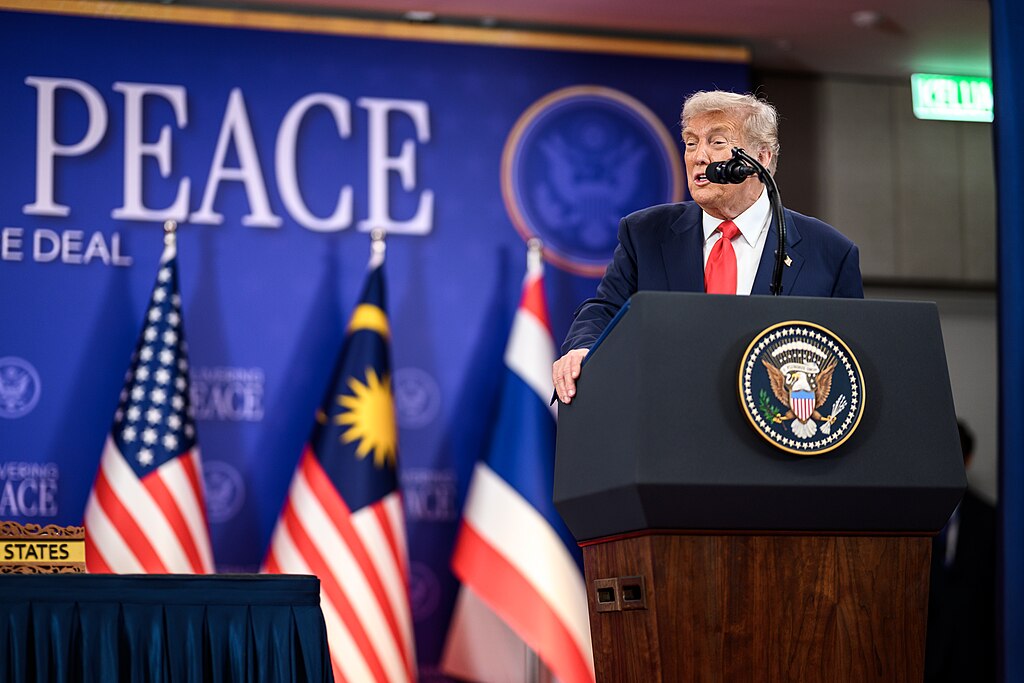
President Donald Trump declared a sweeping American victory on Tuesday following the announcement of a two-week ceasefire agreement with Iran, describing the outcome as a "100 percent" win for the United States. Speaking briefly with AFP, Trump expressed unwavering confidence in the deal, calling it a definitive success for Washington's foreign policy objectives.
According to the AFP report, Iran submitted a 10-point proposal that Trump described as a solid foundation for continued diplomatic negotiations. While the ceasefire signals a temporary pause in hostilities, questions about long-term peace remain unanswered, particularly regarding Trump's earlier threats to strike Iranian civilian infrastructure — including power plants and bridges — if negotiations collapsed. When pressed on whether those threats still stood, Trump offered a vague response, saying only, "You're going to have to see."
A central point of the agreement, according to Trump, is Iran's nuclear program. The president assured that Iran's uranium stockpiles and nuclear materials would be fully addressed under any permanent peace arrangement, stating he would not have agreed to a ceasefire without those assurances in place. However, he stopped short of providing any specific details about how Iran's nuclear assets would be managed or dismantled.
Critics and analysts have noted that Trump has made several shifting statements regarding U.S. goals and timelines throughout the conflict with Iran. Despite this, the president maintained that America's core objectives have been met through the ceasefire deal, reinforcing his administration's position that diplomatic pressure and military deterrence produced a favorable outcome.
The two-week ceasefire opens a narrow but significant window for formal negotiations between the two nations. Whether a lasting agreement can be reached — one that satisfies both Washington's security demands and Iran's national interests — remains the defining challenge ahead for both governments.







