


 Russia Intensifies Assault on Kostiantynivka as Ukraine’s Donetsk Defense Faces Mounting Pressure
  Trump Suspends Some Morocco Fertilizer Tariffs to Ease U.S. Supply Shortage
  China Expands Export Controls, Adds 20 Japanese Companies to Restricted List
  US Strikes Iran Again After Strait of Hormuz Tanker Attack Escalates Ceasefire Tensions
  Taiwan Coast Guard Officer Finds Strength in Faith as China Increases Pressure in Taiwan Strait
  US, Iran Agree to Halt Attacks Ahead of Doha Talks on Strait of Hormuz
  Supreme Court Backs Lisa Cook, Defends Federal Reserve Independence Against Trump Firing Attempt
  Serbia Protests Continue as Thousands Rally Despite Vucic’s Resignation Plan
  Maria Corina Machado’s Return to Venezuela Faces U.S. Hesitation After Deadly Earthquakes
  Sheinbaum Says No One Is Above the Law After Abuse Video of Ex-Pemex Chief Emerges
  Australia Plans Higher Fines for Social Media Firms Failing to Block Underage Users
  Russian Attacks on Dnipro, Zaporizhzhia, and Kharkiv Kill 10 as Ukraine Vows Response
  Iran Skips U.S. Technical Talks Over Unmet MoU Conditions and Frozen Funds Dispute
  Trump Announces September Overhaul of Washington’s East Potomac Golf Links
  Mexico, U.S. Launch Sterile Fly Facility to Combat New World Screwworm Outbreak
  Despite its best efforts, Iran won’t be able to toll the Strait of Hormuz. Here’s why


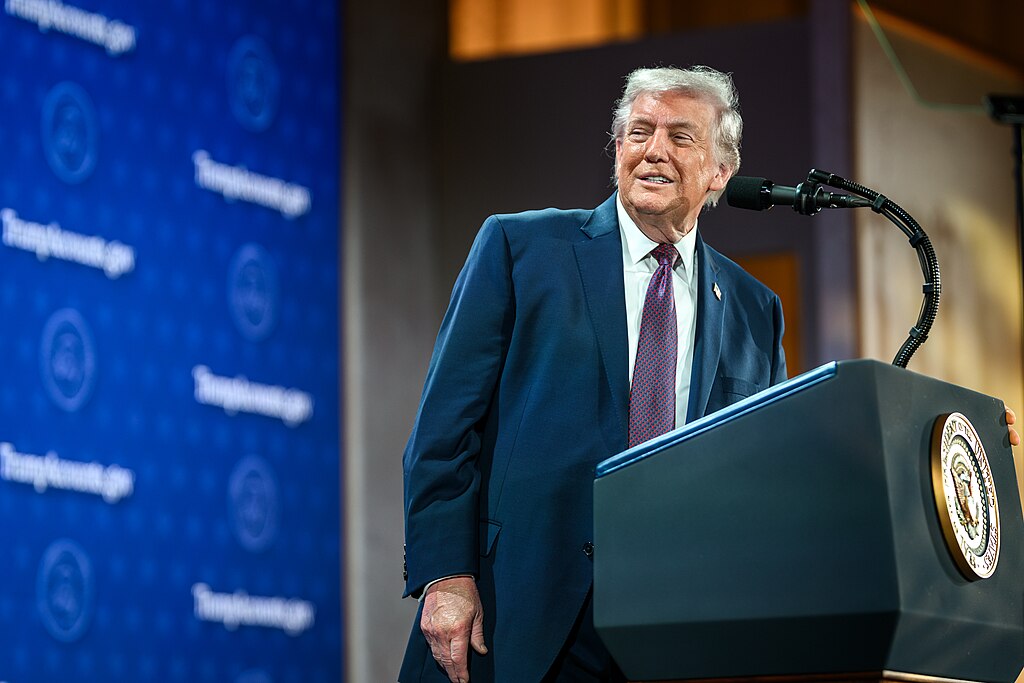
Global leaders, lawmakers, and even members of Donald Trump's own Republican Party pushed back sharply after the U.S. president issued a sweeping threat suggesting an entire civilization could be destroyed unless Iran agreed to his terms — before ultimately announcing a two-week ceasefire deal just hours later.
Early Tuesday morning, Trump posted an ominous warning online, suggesting a whole civilization faced destruction by nightfall if Iran refused to negotiate. He had set an 8 p.m. ET deadline, but at 6:32 p.m., he announced both sides had reached a temporary ceasefire agreement, contingent on Iran pausing its blockade of the Strait of Hormuz — a vital artery for global oil and gas shipments that Tehran had shut down following U.S.-Israeli military strikes.
Trump's central demands included Iran reopening the strait and cutting ties with militant proxy groups across the Middle East. He warned that American forces were prepared to strike Iranian bridges and power plants if compliance was not reached, a position that drew criticism from international law experts who argued such targets are primarily civilian infrastructure.
White House insiders, speaking anonymously, described the alarming language as a deliberate negotiation strategy. One official characterized it as creating leverage through unpredictability, with the goal of pressuring Tehran into concessions. Several aides reportedly helped craft the message, though the most extreme language originated with Trump himself.
Critics were swift and bipartisan. Democratic leaders called the rhetoric unconscionable and dangerous to U.S. troops abroad. Pope Leo condemned threats against Iranian civilians as unacceptable. Even longtime Trump ally Marjorie Taylor Greene called his words evil, while Senator Lisa Murkowski urged immediate de-escalation. Tucker Carlson also publicly denounced the inflammatory messaging.
Despite widespread concern, many Republican officials defended the approach, framing it as strong presidential leadership during a volatile and economically sensitive conflict.







