


 New York Legalizes Medical Aid in Dying for Terminally Ill Patients
  Nicaragua Ends Visa-Free Entry for Cubans, Disrupting Key Migration Route to the U.S.
  U.S. Announces Additional $6 Million in Humanitarian Aid to Cuba Amid Oil Sanctions and Fuel Shortages
  Antonio José Seguro Poised for Landslide Win in Portugal Presidential Runoff
  U.S. Lawmakers to Review Unredacted Jeffrey Epstein DOJ Files Starting Monday
  Jack Lang Resigns as Head of Arab World Institute Amid Epstein Controversy
  TrumpRx Website Launches to Offer Discounted Prescription Drugs for Cash-Paying Americans
  U.S. to Begin Paying UN Dues as Financial Crisis Spurs Push for Reforms
  Trump Endorses Japan’s Sanae Takaichi Ahead of Crucial Election Amid Market and China Tensions
  Trump Lifts 25% Tariff on Indian Goods in Strategic U.S.–India Trade and Energy Deal
  Ohio Man Indicted for Alleged Threat Against Vice President JD Vance, Faces Additional Federal Charges
  US Pushes Ukraine-Russia Peace Talks Before Summer Amid Escalating Attacks
  India–U.S. Interim Trade Pact Cuts Auto Tariffs but Leaves Tesla Out
  Trump Allegedly Sought Airport, Penn Station Renaming in Exchange for Hudson River Tunnel Funding
  U.S.-India Trade Framework Signals Major Shift in Tariffs, Energy, and Supply Chains
  Missouri Judge Dismisses Lawsuit Challenging Starbucks’ Diversity and Inclusion Policies
  Japan Election 2026: Sanae Takaichi Poised for Landslide Win Despite Record Snowfall


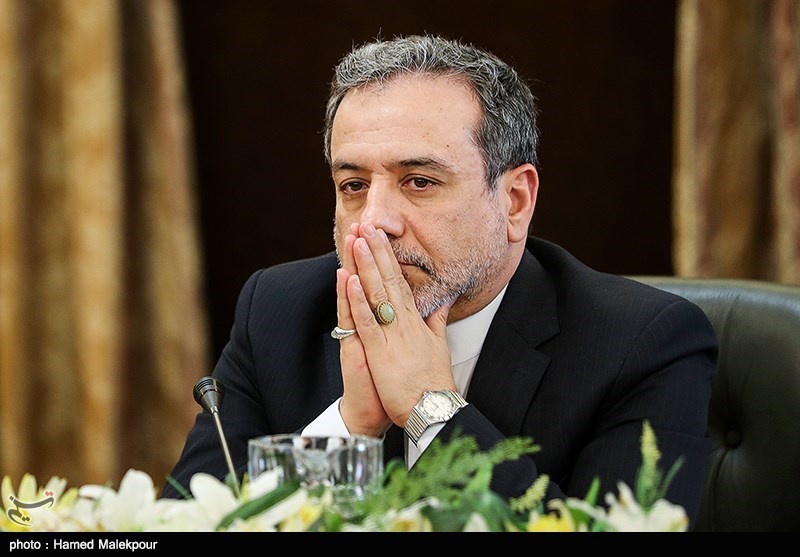
Iran’s Foreign Minister Abbas Araqchi stated Thursday that the United States would bear legal responsibility if Israel attacks Iranian nuclear facilities. This warning follows a CNN report suggesting Israel may be preparing for military action against Iran.
Araqchi’s remarks come as Iran and the U.S. are set for a fifth round of nuclear talks in Rome. Disagreements persist, particularly over Iran’s uranium enrichment program, which Washington fears could be used to develop nuclear weapons—an accusation Tehran denies.
“Iran strongly warns against any adventurism by the Zionist regime,” Araqchi wrote in a letter to U.N. Secretary-General António Guterres, adding that Iran would hold Washington accountable as a “participant” in any Israeli strike. He also hinted at “special measures” to protect Iran’s nuclear assets if threats continue, possibly including halting cooperation with the IAEA or moving enriched uranium to undisclosed locations.
Separately, Iran’s Revolutionary Guards threatened a “devastating and decisive response” if Israel launches an attack. Spokesperson Alimohammad Naini accused Israel of miscalculating Iran’s defense capabilities and public support.
In a televised interview later, Araqchi insisted there would be no nuclear agreement if the U.S. demands a full stop to Iran’s enrichment activities. He acknowledged that a multinational enrichment consortium could be explored, but not as a substitute for domestic enrichment.
Iran’s Supreme Leader Ayatollah Khamenei earlier rejected U.S. demands as “excessive and outrageous,” expressing skepticism about the success of ongoing negotiations. While Iran claims its nuclear program is for peaceful purposes, Araqchi admitted the country has the capability to develop a nuclear weapon, though it lacks the will to do so.
Tensions remain high after past Iran-Israel clashes in April and October 2024, raising concerns of a broader regional conflict.













