


 Germany Open to Post-War Role in Middle East, Merz Says
  Pakistan Hosts Multilateral Talks on U.S.-Iran War as Region Seeks De-escalation
  Iran War Escalates: Houthis Strike Israel, U.S. Marines Deploy to Middle East
  Russia Accused of Helping Iran Target U.S. Forces, European Powers Tell G7
  Trump Pauses Iran Strikes as Peace Talks Stall Amid Military Buildup
  U.S. Treasury Grants New Licenses for Venezuela Critical Minerals Investment
  G7 Summit 2026: South Africa Excluded Amid U.S. Pressure, Kenya Invited Instead
  Pentagon Eyes Weeks-Long Ground Operations in Iran, Reports Say
  EU and CPTPP Nations Push for Landmark Digital Trade Agreement
  Elon Musk Joins Trump-Modi Phone Call Amid Iran War Discussions
  Israeli Airstrike Targets Building in Beirut's Southern Suburbs Amid Ongoing Hezbollah Conflict
  God on their side: how the US, Israel and Iran are all using religion to garner support
  Nepal's Ex-PM K.P. Sharma Oli Arrested Over Deadly 2024 Anti-Corruption Protests
  U.S. Praises Kurdistan's Role in Oil Markets Amid Iran War Fallout
  Trump Warns "Cuba Is Next" Amid U.S. Military Posturing in the Region
  Russia and Iran Explore Diplomatic Path Amid Middle East Conflict


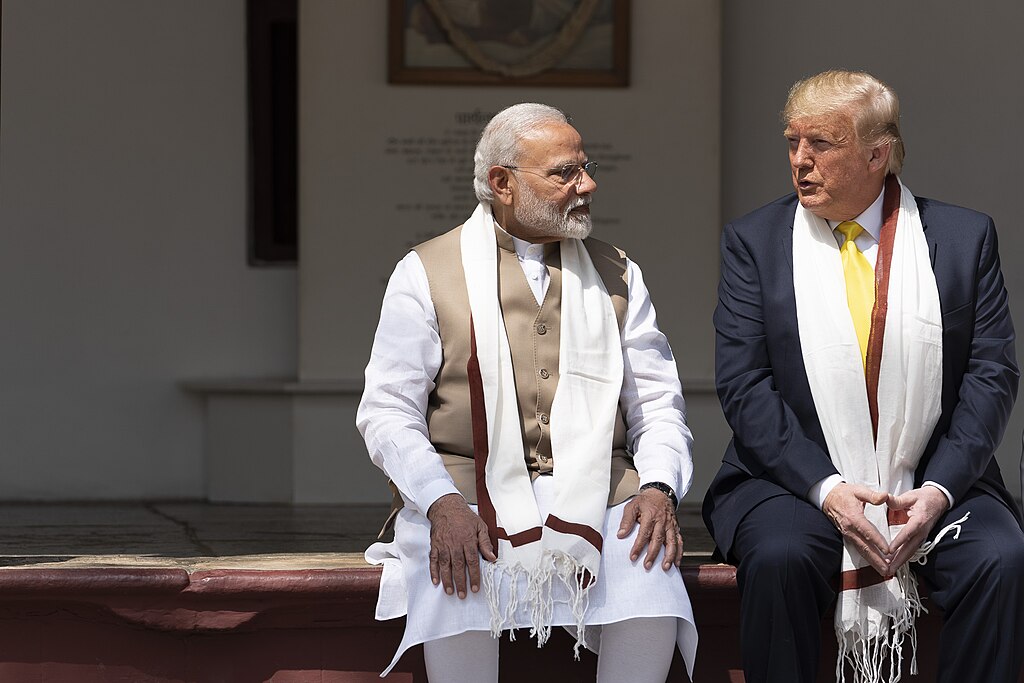
India is preparing to amend its nuclear liability laws to cap accident-related penalties for equipment suppliers, aiming to draw U.S. firms like General Electric and Westinghouse Electric into its expanding nuclear sector. The proposed changes, part of Prime Minister Narendra Modi’s plan to scale nuclear power capacity to 100 gigawatts by 2047, are expected to boost U.S.-India trade negotiations targeting $500 billion in bilateral trade by 2030.
A draft law by India’s Department of Atomic Energy seeks to remove a key clause in the Civil Nuclear Liability Damage Act of 2010, which currently holds suppliers liable for unlimited damages in case of nuclear accidents. The amendments would limit supplier liability to the contract value and set a specific timeframe for potential claims—aligning India’s stance with global norms that place primary responsibility on plant operators.
The original law stemmed from the 1984 Bhopal gas tragedy, a catastrophic industrial disaster involving U.S.-based Union Carbide, which paid $470 million in an out-of-court settlement. Since its enactment, the liability law has deterred Western firms, giving an edge to Russian and French suppliers backed by their governments.
India’s proposed reforms aim to revitalize its nuclear industry, offering a $58 million liability cap for small reactor operators while retaining the $175 million cap for larger facilities. The changes are anticipated to pass during the July monsoon session of Parliament.
Indian conglomerates such as Reliance Industries, Tata Power, Adani Power, and Vedanta are reportedly in talks to invest over $5 billion each in the sector, positioning nuclear energy as a key solution to India’s growing power demand and climate commitments. The reforms mark a strategic pivot to clean energy and deeper international cooperation.







