


 Nvidia Eyes Perplexity Investment at $30 Billion Valuation
  SK Hynix Shares Fall as Workers Reject Wage Deal
  Nvidia Revenue Soars 106% as AI Demand Hits ‘Inflection Point’
  HP Stock Drops 9% Despite Q3 Earnings Beat and Raised 2026 Outlook
  Apple’s Phil Schiller Steps Back as Leadership Shake-Up Accelerates
  OpenAI Data Center Chief Chris Malone Exits Ahead of Planned 2027 Listing
  Meta Agrees to $18 Billion Settlement, Tightens Teen Social Media Rules
  New Zealand Moves to Ban Social Media for Children Under 16
  U.S. Probes Apex Logistics Over Nvidia AI Chip Shipments to China
  Google Changes EU Spam Policy Amid Antitrust Scrutiny
  Trump Buys SpaceX Shares After Record IPO
  Salesforce Shares Surge as AI Demand Powers Q2 Earnings Beat
  Pinterest Stock Falls as CFO Julia Brau Donnelly Resigns
  PayPal Shares Sink as $50 Billion Takeover Bid Collapses
  U.S. Disrupts China-Linked Hacking Campaign Targeting Government Agencies
  SoftBank Eyes $20 Billion Bond Sale to Refinance OpenAI Loan


 Add as a preferred source on Google
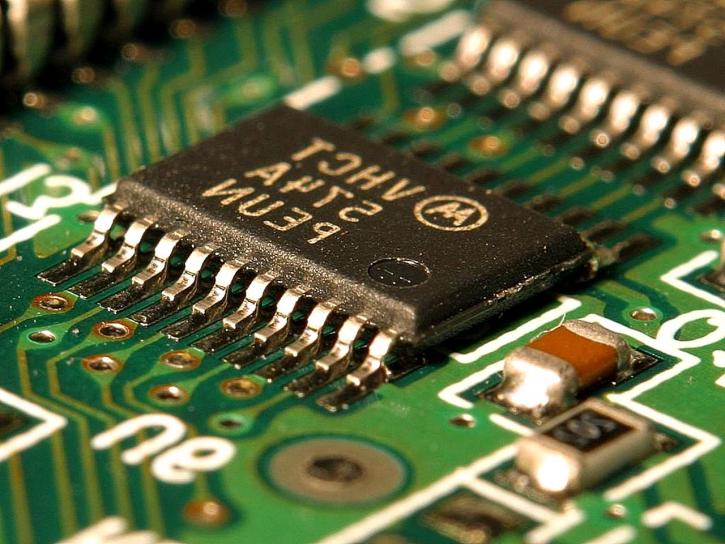
Knockoffs or products of lower quality made by copycats to mimic designer goods are a huge problem for those selling legitimate items. Not only are they much cheaper, they are also more prolific, thus lowering the value of the real thing. IBM may have just created the solution to this problem with a computer chip that is smaller than a grain of salt.
IBM unveiled the new chip at the 2018 Think Conference, which the company notes is intended to "monitor, analyze, communicate and even act on data," CNET reports. A network connection is established by the LEDs on the chip and it’s powered by a solar cell that absorbs power from the sun.
With the help of Blockchain technology, it could then be used to keep track of all kinds of items securely, including designer products. By doing so, customers can finally be sure that they are getting the real deal when they intend to buy a handbag, clothing, or even devices from the expensive manufacturers that sell them.
Far too many people are fooled into buying counterfeit goods that are made so well as to be virtually indistinguishable from the original, but it costs so low that they cut into the bottom line of the actual product they are based on. Designer items are only valuable if only a few people have them. If everybody can buy a Hermes handbag, for example, the brand will drop in value.
The tiny computer chips are fairly cheap as well, costing only $0.10 to manufacture, Engadget reports. As a result, designer goods won’t have to be considerably more expensive than they already are just so customers can make sure that what they are buying is the real thing. On that note, IBM has given no official release window for the chip.







