Hyundai Motor Company is expanding its hydrogen EV truck operations in the United States to take the lead in this line of business in the region. As part of the initiative, South Korean vehicle manufacturers are offering 30 units of electric fuel cell trucks for California's zero-emission freight transportation project.
Hyundai's Deployment of EV Trucks
According to The Korea Times, the company said on Friday, May 3, that it is taking this step to branch out its environmentally-friendly mobility business portfolio in the territory. Moreover, this move is part of the region's NorCAL ZERO project. Hyundai Motor is participating by providing its hydrogen fuel cell technologies and hydrogen EVs to ensure zero-emission shipments or deliveries to the San Francisco Bay Area and the Central Valley.
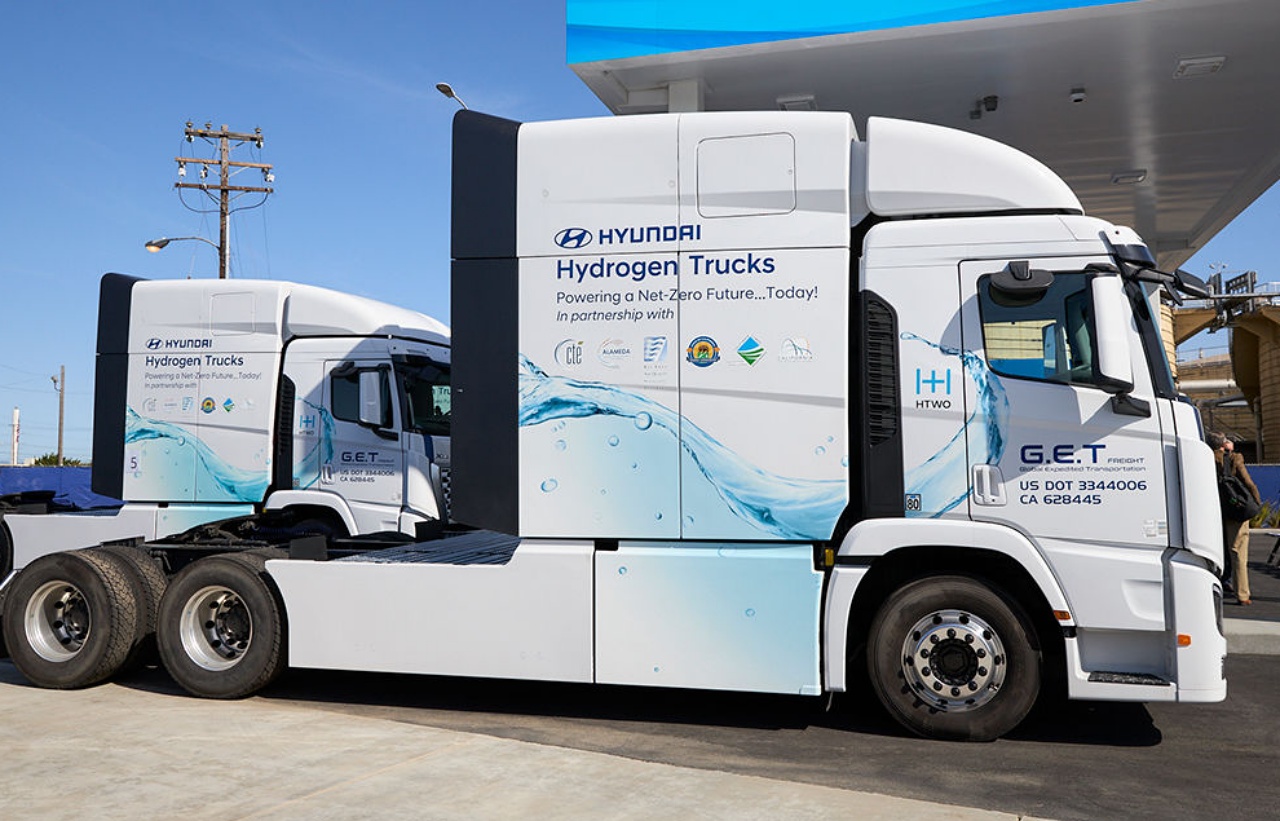
As a participant in the NorCAL Zero project, Hyundai Motor deployed 30 XCIENT Fuel Cell trucks last year. The units were distributed to local freight transportation business operators. Commercial operations include hauling containers from the Port of Oakland and moving vehicles from the Port of Richmond.
The NorCAL ZERO Project
The Korea Herald reported that Hyundai Motor Company aims to be the driving force behind the hydrogen-powered truck business in the U.S. In any case, Hyundai Motor welcomed the launch of the NorCAL ZERO Project, which uses its brand of hydrogen fuel cell technology.
The company partnered with both public and private companies to deploy 30 units of Hyundai Class 8 XCIENT Fuel Cell EV trucks. The project hopes to lower carbon emissions by more than 24,000 metric tons with these vehicles.
"The NorCAL ZERO Project in Oakland marks a significant step forward in realizing Hyundai's vision for a global hydrogen society," said Hyundai Motor's executive vice president and head of global commercial vehicle and hydrogen business, Ken Ramirez, in a press release. "The project demonstrates how the transport energy transition is achievable today and will serve as one of the building blocks for Hyundai's port decarbonization initiatives worldwide."
Dan Raudebaugh, the executive director of CTE, commented, "The deployment of these trucks in Northern California provides a groundbreaking opportunity to demonstrate the exceptional performance of fuel cell electric trucks for an industry that has traditionally relied on conventional diesel and CNG-powered vehicles."
Lastly, Raudebaugh said they are looking forward to being part of a new era for trucking in the U.S., one marked by zero-emission vehicles while maintaining excellent performance.
Photo by: Hyundai Motor Press Release