


 Taiwan Flags AI-Assisted Cyberattacks Targeting Government Agencies
  Israel Warned US of Alleged Iran Plot to Assassinate Trump
  Israeli Troops Enter Qusra Homes as West Bank Settler Siege Continues
  Canada, US Hold Fresh Trade Talks as August 19 Tariff Deadline Nears
  Gold Slips Below $4050 as Bond Yields Surge to 4.7% on Fed Inflation Concerns – Sell Rallies at $4060 Targeting $3940
  Bashar al-Assad Sentenced to Death After Syria Regime Collapse
  Trump Signs Order to Cut Routine Childhood Vaccines
  SpaceX Earnings Preview: Bernstein Says 4 Key Factors Will Drive Long-Term Valuation
  Gold’s Bull Run Intact: Safe-Haven Bids Overpower Treasury Yield Pressure
  North Korea Launches Ballistic Missile as US-South Korea Drills Near
  Trump Orders Major Overhaul of US Navy Shipbuilding


 Add as a preferred source on Google
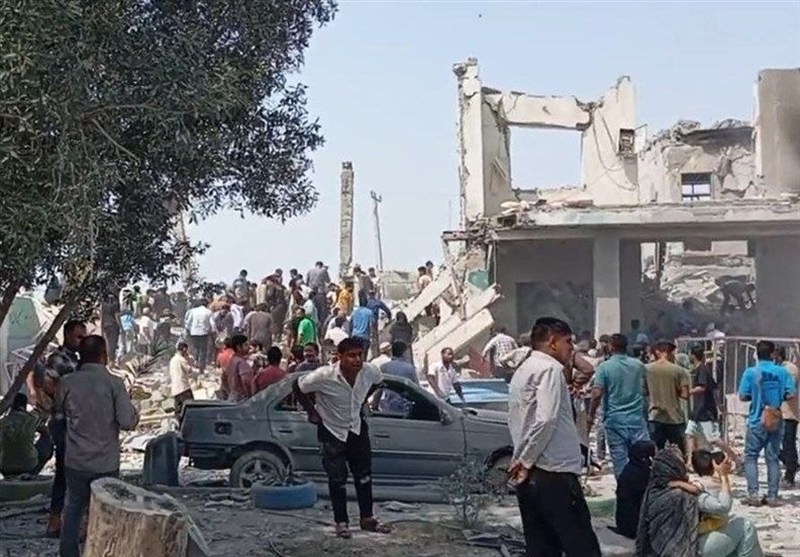

On February 28, the US and Israel launched a war against Iran following weeks of US military build-up in the region and threats from US President Donald Trump.
In the ensuing weeks, Iran has retaliated by striking US assets in the Persian Gulf states and targets across Israel. Israel has launched a ground invasion into southern Lebanon in response to attacks from Hezbollah.
Oil and gas shipments through the Strait of Hormuz have come to a virtual standstill, threatening a global energy crisis. And thousands have been killed, most in Iran and Lebanon.
The entire Middle East has been affected by this war – and the region will no doubt be very different once it’s resolved.
We asked five experts in international politics and Middle East studies to explain the most important changes they see happening following the war.

Chris Ogden is a senior research fellow with the Foreign Policy Centre, London.
Andrew Thomas, Jessica Genauer, Kristian Coates Ulrichsen, and Scott Lucas do not work for, consult, own shares in or receive funding from any company or organisation that would benefit from this article, and have disclosed no relevant affiliations beyond their academic appointment.
Scott Lucas, Professor of International Politics, Clinton Institute, University College Dublin








