


 Trump Says U.S. Navy Destroyers Passed Strait of Hormuz Under Iranian Fire
  Federal and State Authorities Conduct Widespread Fraud Raids Across Minnesota
  U.S., South Korea Launch Shipbuilding Partnership Initiative
  Panama Defends Port Takeover Amid U.S.-China Tensions and Canal Dispute
  US House Advances $70 Billion Immigration Enforcement Budget Plan
  TikTok Nears $400 Million Settlement With Trump Administration Over Child Privacy Lawsuit
  Trump Administration Releases New UFO Files and Apollo Mission Records
  Judge Rules Use of Military Lawyers in Civilian Prosecutions Is Lawful
  US Adds European Union to Section 301 Watchlist Amid Trade Concerns
  Dominican Republic Halts GoldQuest Mining Project Amid Environmental Protests
  Russia Downs Over 50 Drones Near Moscow Ahead of Victory Day Ceasefire
  US-Iran Ceasefire Under Pressure as Fresh Strait of Hormuz Clashes Shake Oil Markets
  New York Moves to Ban Masked Law Enforcement During Immigration Operations
  China-Made Fireworks Power U.S. Independence Day Celebrations Amid Trade Truce
  Trump Announces Russia-Ukraine Ceasefire for May 9-11 Amid Ongoing Peace Talks
  U.S.-China Beef Trade Deal Hopes Rise Ahead of Trump-Xi Summit
  Trump-Xi Beijing Summit to Focus on Trade, Taiwan, and Boeing Deal


After more than a month of gridlock, there are growing signs that the United States may be nearing an end to one of the longest federal government shutdowns in history. The 34-day standoff between Congress and President Donald Trump has frozen critical operations, delayed paychecks for federal employees, and disrupted programs that support millions of Americans.
The shutdown began on October 1, when lawmakers failed to pass funding legislation for the new fiscal year. The impasse has left around $1.7 trillion in discretionary spending unresolved—about one-third of the nation’s annual budget. Key services, from military pay to airport operations and food assistance for low-income families, have been severely affected.
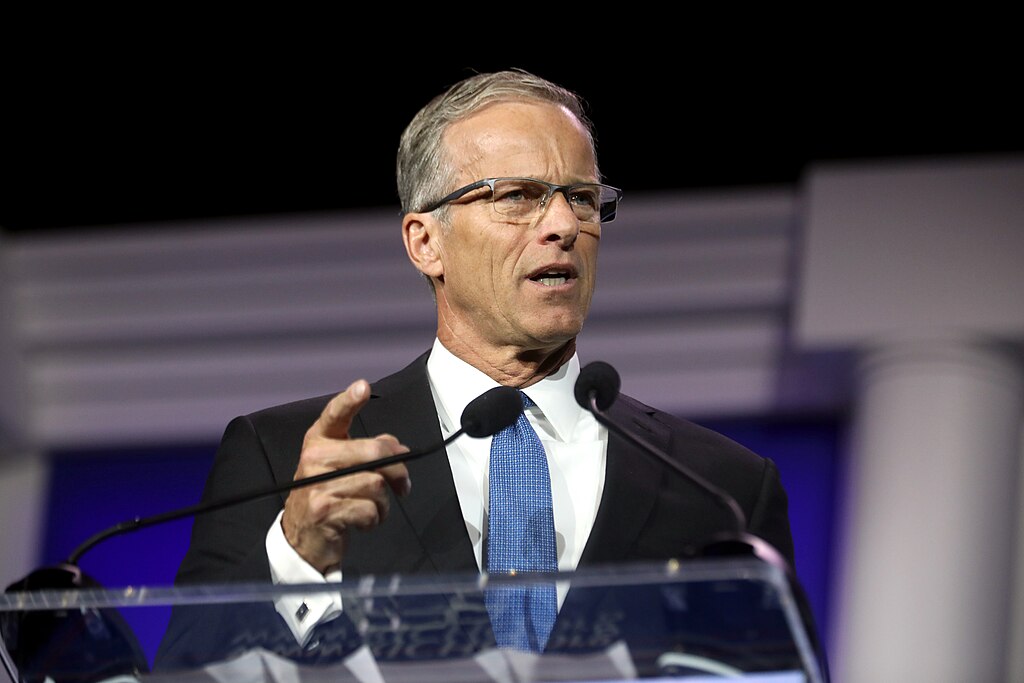
Senate Majority Whip John Thune expressed cautious optimism on Monday, telling reporters, “I’m optimistic,” while admitting that negotiations remain uncertain. His Democratic counterpart, Senator Dick Durbin, shared a similar sentiment, saying he sensed progress but warned that healthcare policy disagreements—particularly around the Affordable Care Act—remain a sticking point.
Senate Appropriations Committee Chair Susan Collins also struck a hopeful tone, citing weekend negotiations and new proposals from Democrats as signs of movement. “It just feels better this week,” she said, though she cautioned that talks could still “fall apart.”
Meanwhile, a bipartisan group of House moderates introduced a compromise proposal extending Affordable Care Act tax credits for two years, while capping benefits for higher-income earners. Lawmakers from both chambers have been meeting privately to find a resolution since early October but have yet to finalize an agreement.
With both parties signaling openness to compromise, Washington appears closer than ever to finding an “off-ramp” from a shutdown that has strained federal workers, disrupted essential programs, and tested the patience of millions of Americans.







