


 Trump Slams New York Data Center Ban, Warns AI Investment Could Shift to Other States
  Chalco Shares Jump as Chinalco Plans Up to $300 Million Stake Increase
  Mikron H1 2026 Sales Fall 5.9% as Automation Weakness Weighs on Profit
  DeepSeek Eyes $74 Billion Valuation Ahead of Planned China IPO
  SpaceX Targets Thursday Launch for Starship's 13th Test Flight After Last-Minute Delay
  Samsung Cuts U.S. Consumer Electronics Jobs as Headquarters Moves to Texas
  Why Maruti Suzuki Is Losing Market Share in India as SUVs and Premium Features Gain Popularity
  xAI Sues Man for Allegedly Using Grok to Generate AI Child Abuse Deepfakes
  Nvidia Reveals 9.3% Stake in AI Cloud Firm Nebius Following $2 Billion Investment
  KAIST, Stanford Develop Self-Dressing Robot for Cleanrooms and Emergency Gear
  US, China to Hold AI Talks Ahead of Xi’s September Visit
  KKR, AEW Seek China Property Sales as Commercial Real Estate Slump Deepens
  Trump Criticizes ABC, NBC and CNN for Limiting Coverage of Election Speech
  Hyundai Takes Full Control of Boston Dynamics to Accelerate Humanoid Robot and AI Strategy
  Judge Approves Anthropic’s $1.5 Billion AI Copyright Settlement With Authors
  Sam Altman Admits OpenAI Missteps, Promises Major AI Comeback Focused on User Freedom


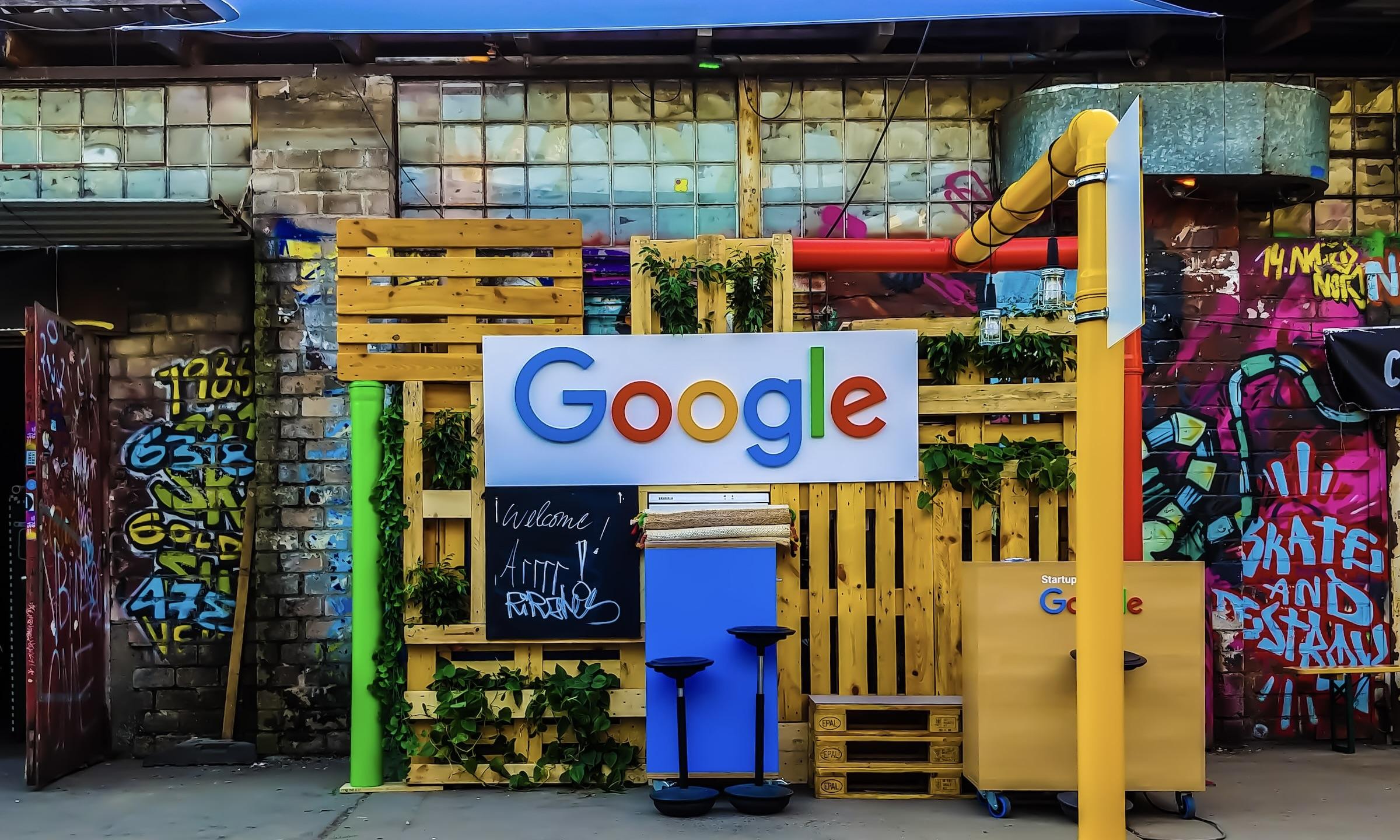
Alphabet's Google announced on Tuesday that it will implement restrictions on election-related queries for its chatbot, Bard, and search generative experience leading up to the 2024 U.S. Presidential election. The company confirmed these restrictions are expected to be enforced by early 2024.
Global Impact of the Restrictions
In addition to the United States, various groundbreaking elections are anticipated in 2024, involving nations such as India, the world's largest democracy, and South Africa, among others, according to CNBC.
The tech giant will place an increased emphasis on the role of artificial intelligence (AI) in providing service to voters and campaigns associated with these elections. Reuters reported that Google aims to ensure transparency and enhance the integrity of the political process.
Facebook owner Meta had previously announced in November its prohibition of political campaigns and advertisers in regulated industries from utilizing its new generative AI advertising products. Advertisers on Meta's platforms will also be required to disclose the use of AI or other digital methods in modifying or creating political, social, or election-related advertisements on Facebook and Instagram.
Contrarily, Elon Musk's social media platform X, currently under investigation by the European Union, declared in August that it will allow political advertising from candidates and political parties in the United States. X also plans to expand its safety and elections team ahead of the U.S. election. It is important to note that all political ads on X were previously banned globally in 2019.
Regulating AI on a Global Scale
Governments worldwide are actively seeking to regulate artificial intelligence due to its potential threats, including the dissemination of misinformation. As part of these efforts, new European Union rules will require prominent labeling of political advertising on Big Tech platforms, disclosing the source of funding and the specific elections targeted.
The European Union's regulations are intended to ensure transparency and accountability in political advertising across major platforms.
Photo: Rajeshwar Bachu/Unsplash







