


 U.S. Probes Apex Logistics Over Nvidia AI Chip Shipments to China
  PayPal Shares Sink as $50 Billion Takeover Bid Collapses
  Meta Agrees to $18 Billion Settlement, Tightens Teen Social Media Rules
  Nvidia Pauses AI Cloud Financing Deals Amid Antitrust Concerns
  HP Stock Drops 9% Despite Q3 Earnings Beat and Raised 2026 Outlook
  Aon Nears $17 Billion Deal to Buy USI Insurance From KKR
  France Targets Shein, Temu With Fast-Fashion Fees
  South Korea Unveils Record $597 Billion 2027 Budget to Boost AI and Chips
  GM Plans C$1.1 Billion Canada Investment Amid U.S. Tariff Pressure
  SoftBank Eyes $20 Billion Bond Sale to Refinance OpenAI Loan
  Nvidia Revenue Soars 106% as AI Demand Hits ‘Inflection Point’
  Faraday Future Delivers First Robots in Middle East, Plans September Launches
  Google Expands Gemini Enterprise With AI Tools for Legal Sector
  Trump Secures Drug Pricing Deals With Nine Pharma Companies
  Honda, Nissan Eye Shared Vehicle Software Platform by 2029
  Shein Hong Kong IPO to Raise $1.7 Billion at $26.5 Billion Valuation


 Add as a preferred source on Google
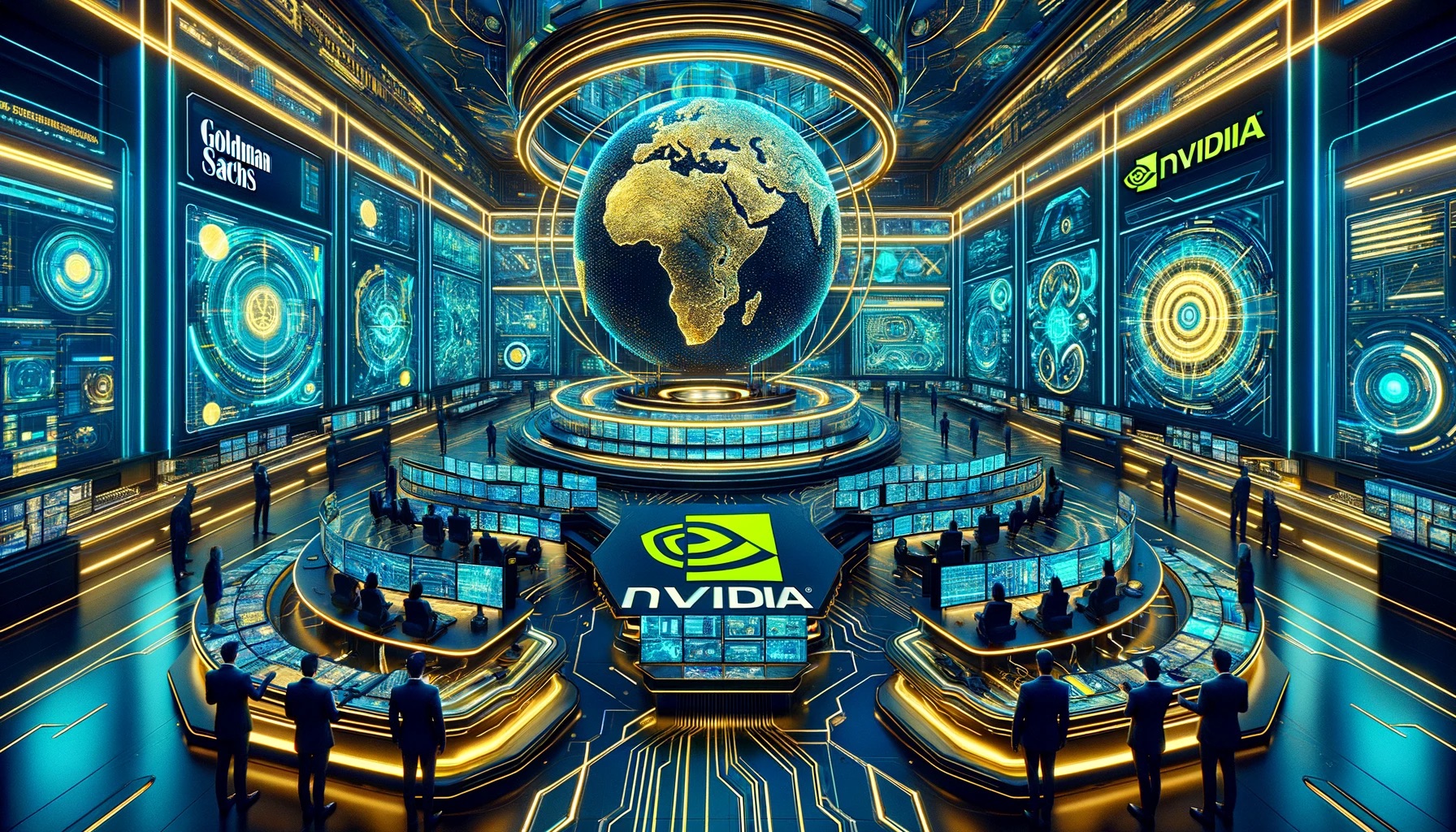
Given the significant performance and euphoria achieved by Artificial Intelligence (AI) firm NVIDIA, Goldman Sachs is now looking for the next wave of AI companies capable of producing similar results.
Global Investors Chase AI's Next Frontier in Emerging Markets
According to CoinGape, Investors are currently looking outside the United States for better value and a larger market for artificial intelligence. Goldman Sachs, particularly its asset management division, was specific about its desire to acquire stakes in manufacturers of AI supply-chain components such as cooling and power supplies.
Other institutions, such as JPMorgan, already have relationships with traditional electronics manufacturers who are gradually evolving into AI leaders.
On the other hand, Morgan Stanley's investment managers are betting on companies where AI is transforming business models in non-technological sectors. According to Jitania Kandhari, deputy chief investment officer at Morgan Stanley Investment Management, artificial intelligence is viewed as a critical growth driver in emerging markets.
"While we have previously invested in direct AI beneficiaries like semiconductors, going forward it will be key to look for companies in different industries that are adopting AI to enhance earnings," Kandhari said.
NVIDIA's Breakthrough Blackwell Super Chip Sets New AI Industry Standards
NVIDIA, the de facto reference tech giant for these prominent money managers, is one of the AI firms that has had great success in recent months.
The company made headlines in February when its market capitalization surpassed $2 trillion. This figure helped NVIDIA surpass Amazon and Google's parent company, Alphabet. The global GPU manufacturing behemoth is closely related to the Chinese market, where it sells its AI chips.
The company recently unveiled its AI super chip, Blackwell, at the San Jose, California GTC conference.
The Blackwell super chip series is a revolutionary project aiming to improve the AI landscape by providing users unparalleled performance and capabilities. It has 208 billion transistors and is intended to increase processing power, efficiency, and versatility to meet the demands of high-end AI-driven applications in various industries.
This newly introduced product is already gaining traction, threatening the performance and position of other technology firms.
Photo: Jordan Merrick/Unsplash







