


 Wistron Opens $700M Texas AI Factory to Build Nvidia Superchips in U.S.
  Bank of America Says These Overlooked AI Stocks Could Be the Next Winners
  Nike Shifts China Online Sales Strategy to Boost Brand and Fight Local Rivals
  Samsung Cuts U.S. Consumer Electronics Jobs as Headquarters Moves to Texas
  Australia ASIC Tightens Auditor Oversight After KPMG Leak Scandal
  Nationwide Data Center Protests Highlight Growing Backlash Against AI Expansion
  South Korea’s Coupang Fine Sparks U.S. Criticism, Raising Concerns Over Bilateral Ties
  Tesla Stock Outlook: Strong EV Sales Boost Earnings, but AI Projects Drive Long-Term Value
  SpaceX Targets Thursday Launch for Starship's 13th Test Flight After Last-Minute Delay
  Super Micro Computer Stock Jumps 20% After Record AI Orders and Margin Surge
  SpaceX Q2 Earnings on Aug. 4 Set Stage for Historic Insider Share Unlock
  Alaska Air Q3 Outlook Misses Estimates as Higher Fuel Costs Weigh on Profit Forecast
  Wistron Opens $700M Texas AI Factory to Build Nvidia GB300 Superchips
  GM Q2 Earnings Beat Estimates as General Motors Raises 2026 Profit Outlook
  DeepSeek Eyes $74 Billion Valuation Ahead of Planned China IPO
  Why Maruti Suzuki Is Losing Market Share in India as SUVs and Premium Features Gain Popularity


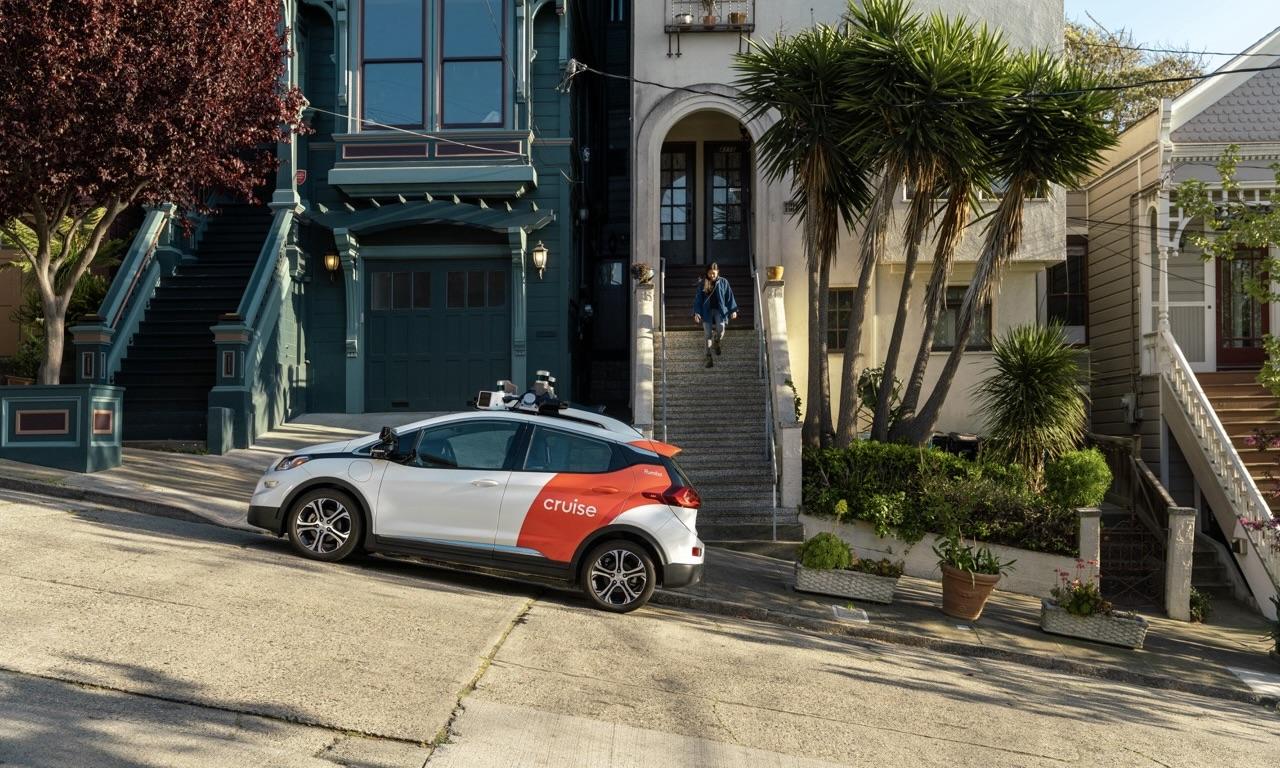
General Motors' driverless car unit, Cruise, announced late Thursday that it will temporarily halt all operations nationwide. This decision comes after California regulators ordered Cruise to take its driverless cars off the state roads due to safety concerns.
The California Department of Motor Vehicles (DMV) said that Cruise's driverless vehicles posed a risk to public safety, accusing the company of "misrepresenting" the technology's safety, according to Reuters.
Rebuilding Public Trust: Examination of Processes, Systems, and Tools
Barron's reported that both the DMV and the National Highway Traffic Safety Administration (NHTSA) have doubts about the safety of Cruise's driverless vehicles. The DMV stated that these vehicles are "not safe for the public's operation" and pose an "unreasonable risk to public safety."
Cruise stated that its primary focus is to rebuild public trust. In a proactive step, the company has decided to pause driverless operations across all fleets. During this break, Cruise will thoroughly examine its processes, systems, and tools.
With operations in Phoenix, Houston, Austin, Dallas, and Miami, suspending Cruise's activities is a significant setback for the self-driving industry. General Motors had viewed this sector as a major growth opportunity.
Ongoing Investigations and Precautions for Pedestrian Safety
Cruise clarified that suspending operations is a precautionary measure to address safety concerns, not linked to any new on-road incidents. Supervised autonomous vehicle operations will still take place.
The NHTSA launched a formal safety probe after reports of crashes involving Cruise cars engaging in hard braking, resulting in collisions and injuries.
The NHTSA has initiated a separate probe, specifically focusing on the preventive measures Cruise takes to safeguard pedestrians. These investigations come after a previous incident where Cruise vehicles failed to avoid striking a pedestrian in a hit-and-run accident.
The DMV's stricter guidelines prompted Cruise to remove half its driverless vehicles in August. This action was in response to another crash involving a Cruise vehicle. The DMV pointed out an incident in which Cruise's autonomous vehicle failed to respond appropriately to a pedestrian-related incident due to a lack of capability.
Cruise denies the allegations made by the DMV. The company claims that it had fully cooperated with the authorities and provided all necessary information and video footage related to the accidents under investigation.
Photo: Get Cruise Media Resources







