


 Russia Launches Massive Missile Attack on Kyiv as Ukraine Urges More Air Defenses
  Trump Vows Iran Will ‘Pay’ After U.S. Troop Deaths as Conflict Escalates
  US Dollar Holds Near One-Week High as Middle East Tensions and Oil Prices Drive Market Sentiment
  Trump Administration Weighs Ending Support for UN Refugee Agency UNHCR
  ASEAN Summit Faces Pressure as U.S.-Iran Conflict, South China Sea Tensions Dominate Agenda
  South Korea’s Coupang Fine Sparks U.S. Criticism, Raising Concerns Over Bilateral Ties
  Russian Strike on Cargo Ship Off Odesa Kills Five Crew as Black Sea Attacks Escalate
  Houthi Naval Blockade on Saudi Arabia Escalates Iran Conflict, Threatens Global Oil Supply
  US-Iran Conflict Escalates as Gulf Attacks Threaten Global Oil Supply
  US Stock Futures Rise as AI Optimism Lifts Tech, 3M Jumps on Strong Earnings
  US Launches New Strikes on Iran After Deadly Attack on American Troops in Jordan
  Trump Threatens Higher Canada Tariffs as Wildfire Smoke Sparks U.S. Air Quality Crisis
  US Service Member Killed During Explosive Disposal of Downed Iranian Drone in Iraq
  FBI Director Kash Patel Plans Russia Visit in October, Report Says
  ASEAN Ministers Warn Middle East Conflict Threatens Regional Stability and Energy Security
  Gold Climbs Above $4,000 as Middle East Tensions and Fed Outlook Drive Safe-Haven Demand
  European Earnings Season Gains Strength as Barclays Sees Broader Profit Recovery


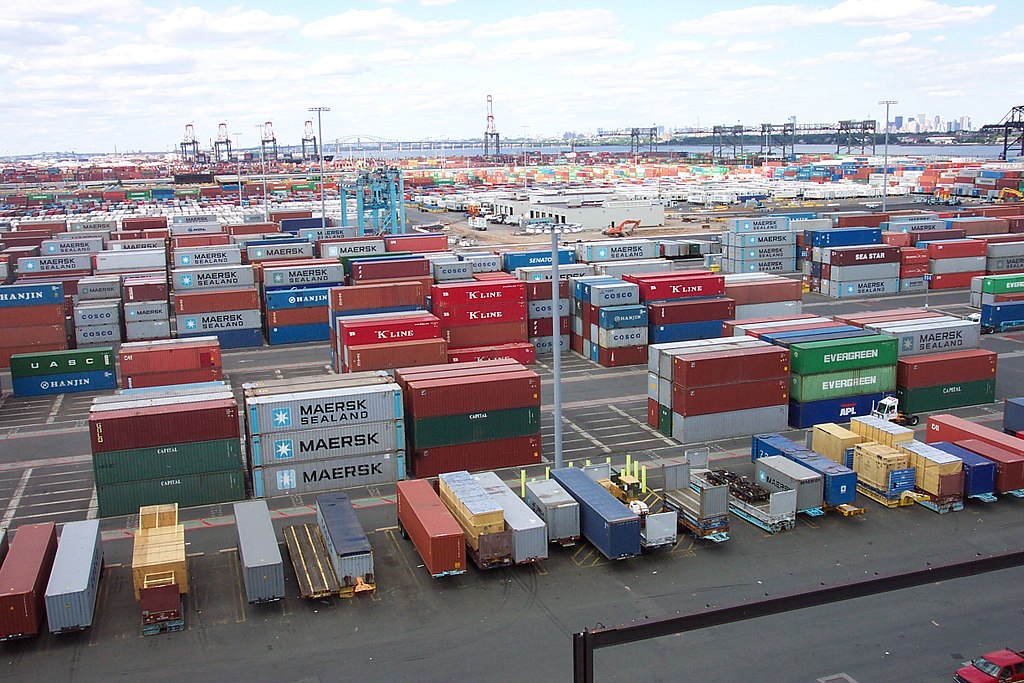
U.S. President Donald Trump is expected to introduce a fresh round of tariffs on dozens of countries as early as this week, according to a report by the Financial Times. The move comes as the administration's temporary 10% global tariff is scheduled to expire on Friday, signaling a potential shift in U.S. trade policy.
The report said the initial wave of new tariffs is likely to remain close to the current 10% rate imposed on imported goods from multiple countries. However, the Trump administration is also pursuing separate trade investigations that could provide the legal basis to impose significantly higher tariffs in the future.
If implemented, the new measures could affect a broad range of trading partners and further reshape global commerce. The administration has consistently argued that tariffs are necessary to protect American industries, strengthen domestic manufacturing, and address what it considers unfair trade practices by foreign governments.
The Financial Times noted that officials are exploring additional legal mechanisms that would allow the White House to expand its tariff authority beyond the existing framework. Those investigations could pave the way for more aggressive trade actions if the administration determines that certain imports threaten U.S. economic or national security interests.
The expected announcement comes as businesses, investors, and international trading partners closely monitor Washington's trade agenda. Any expansion of tariffs could have implications for global supply chains, import costs, and financial markets, particularly for countries heavily reliant on exports to the United States.
Reuters said it was unable to independently verify the Financial Times report. The White House has not yet officially confirmed the timing or scope of the proposed tariffs.
With the current 10% global tariff set to expire this week, markets are watching for further details on whether the administration will maintain existing duties, introduce broader tariffs, or pursue higher rates under new legal authorities. The upcoming decision is expected to play a key role in shaping U.S. trade policy and international economic relations in the months ahead.







