


 Novo Nordisk and Eli Lilly Cut Obesity Drug Prices in China, Boosting Access to Wegovy and Mounjaro
  U.S. Senate Greenlights AI Chatbots for Official Staff Use
  U.S. Vaccine Policy Shifts Under RFK Jr. Create Uncertainty for Pharma and Investors
  Moderna to Pay Up to $2.25B to Settle LNP Patent Dispute Over COVID-19 Vaccine Technology
  Weight-Loss Drug Ads Take Over the Super Bowl as Pharma Embraces Direct-to-Consumer Marketing
  Lockheed Martin Invests $150M in Alabama Missile Production Facility
  FDA Warns Novo Nordisk Over Misleading Ozempic Ad Claims
  Honda Faces $4.3 Billion Loss After Scrapping EV Plans
  Vanda Pharmaceuticals (VNDA) Stock Soars After FDA Approves BYSANTI for Bipolar I and Schizophrenia
  Federal Appeals Court Blocks Trump-Era Hospital Drug Rebate Plan
  Nissan, Uber, and Wayve Team Up to Launch Robotaxi Pilot in Tokyo
  Sanofi Reports Positive Late-Stage Results for Amlitelimab in Eczema Treatment
  Moderna Stock Drops After FDA Declines Review of mRNA Flu Vaccine
  Amazon Invests $535 Million in Brisbane Robotics Fulfillment Center


Packaged food manufacturers and fast-food restaurants are preparing for major shifts in consumer demand as appetite-suppressing GLP-1 weight loss pills are expected to enter the U.S. market in early 2025. Analysts believe these oral medications could accelerate long-term changes in eating habits, forcing food companies to reformulate products, adjust portion sizes, and emphasize nutrition-focused offerings.
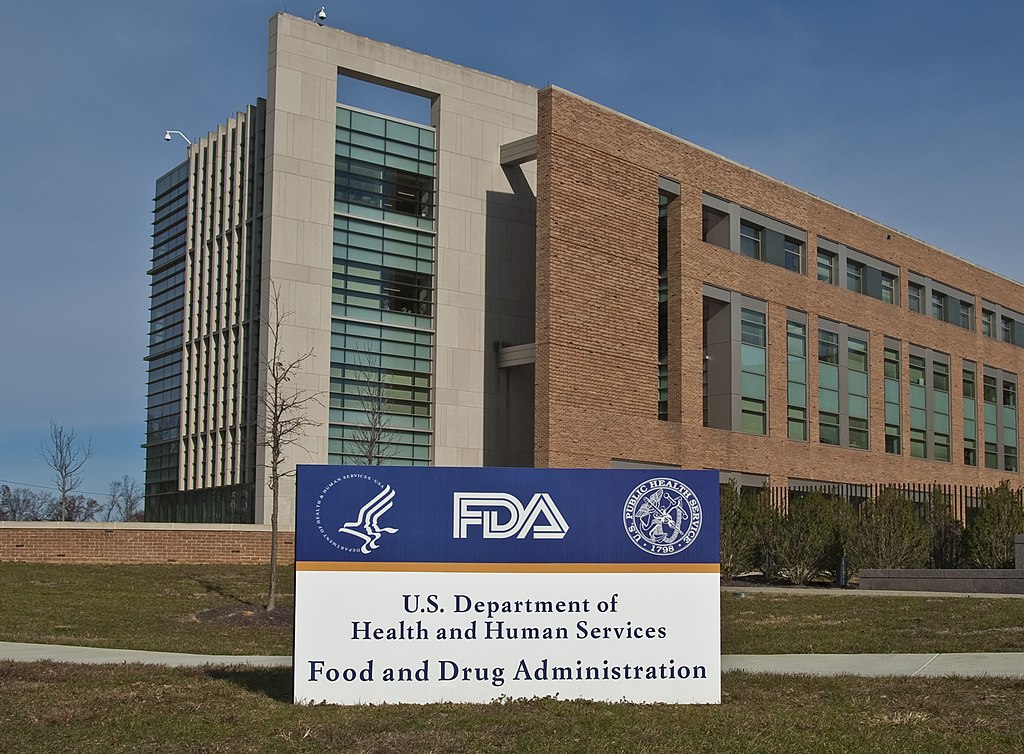
The U.S. Food and Drug Administration recently approved Novo Nordisk’s Wegovy GLP-1 pill, a milestone that sent shares of several food companies lower. Unlike injectable GLP-1 drugs, the pill form is expected to be cheaper and more appealing to patients who are uncomfortable with injections. Eli Lilly’s competing GLP-1 pill is also anticipated to receive regulatory approval next year, further expanding access to weight loss medications.
As adoption grows, analysts say Americans are likely to reduce consumption of calorie-dense foods such as salty snacks, baked goods, soda, alcohol, and sugary drinks. Instead, demand is shifting toward high-protein, high-fiber, and functional foods that support satiety and portion control. This trend has already been visible with injectable GLP-1 drugs and is expected to intensify with easier-to-use pills.
Research supports this shift. A recent Cornell University study found that households using GLP-1 medications reduced grocery spending by over 5% and fast-food spending by about 8%. While spending rebounded after discontinuing the drugs, experts believe lower-cost pills could encourage longer-term use, broadening the impact across the food industry.
Major companies are responding quickly. Conagra Brands has begun labeling certain Healthy Choice meals as “GLP-1 friendly,” citing faster sales than competing products. Danone reports double-digit growth in high-protein yogurt, while Nestlé has launched new frozen meals tailored to GLP-1 users. Restaurants are also adapting, with chains like Chipotle introducing high-protein menu options and others offering smaller, lower-priced portions.
With nearly 40% of U.S. adults classified as obese and growing interest in weight loss solutions, GLP-1 pills are poised to reshape how Americans eat—and how food companies innovate—for years to come.













