


 Asian Stocks Rally as KOSPI, Nikkei Surge on Bond Market Relief
  Asian Currencies Rise as Dollar Hovers Near Multi-Month Lows
  Eurozone Bond Yields Fall as Oil Slump Eases Inflation Fears Ahead of Central Bank Meetings
  Singapore Central Bank’s Exchange Rate Policy Explained: Why MAS Uses the S$NEER Instead of Interest Rates
  Fed Minutes Signal Rate Hikes Remain Possible as Inflation Risks Persist
  Asian Currencies Steady as Dollar Weakens After Treasury Bond Buybacks
  Gold Prices Edge Higher as Dollar Weakens Ahead of Fed Minutes
  Australia Inflation Cools as Core CPI Misses Forecasts, Easing RBA Rate Hike Pressure
  Wall Street Slides as Treasury Yields Surge to 19-Year High
  Trump Eyes 15% Tariff on Canadian Auto Imports in New Trade Deal


 Add as a preferred source on Google
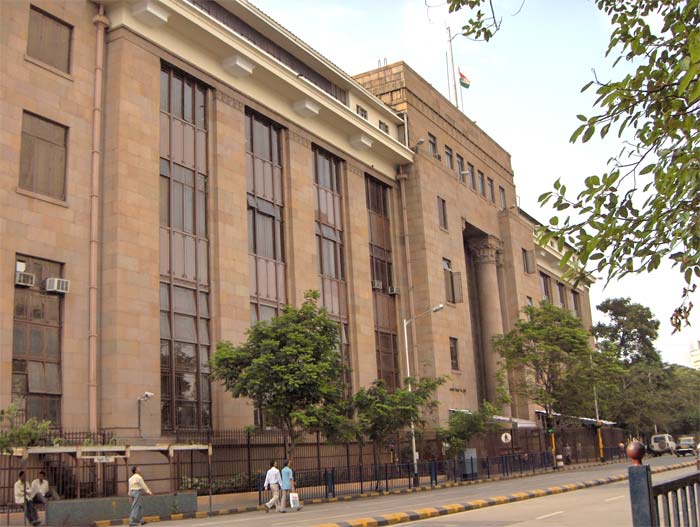
India’s inflation data, due to be released next week is expected to have remained subdued during the month of November, exerting deeper pressure on the Reserve Bank of India (RBI) to undertake easing policy in the next 2-day bi-monthly monetary policy scheduled to be held on February 7.
The country’s inflation is anticipated to have eased in November, after Prime Minister Narendra Modi announced the ban of INR500 and INR1000, with effect from November 8 midnight. This masterstroke brought in a pool of electronic transactions that deprived many of hand-to-hand cash exchanges, thus leaving the citizens in a wide array of lower spends overall.
The lower spread of cash transactions, coupled with a maximum limit on ATM withdrawals has pressurized the prices of many retail commodities, including luxuries and real estate prices as well. According to a poll of 10 economists by FxWirePro, India’s consumer inflation is likely to have declined to 3.92 percent, from a year earlier period, compared to 4.20 the previous month. However, it would remain below the RBI’s targeted 4.0 percent.
"The RBI is expected to slash its benchmark repo rate by 25 basis points to 6.00 percent, following decline in inflation expectations," said Chintan Master, Director, Finrex in an exclusive interview with FxWirePro.
The 2017-18 Union Budget, expected to be unveiled by February 1, 2017 is likely to incorporate a slash in the income tax bracket as well, allowing consumers to combat the negative effects of demonetization. The policy implementation is expected to boost consumer spending, allowing door for some recovery in inflation expectations.
Master, meanwhile, added that a 50bps rate cut seems uncertain in the February policy meeting, since inflation is generally low during winter season.







