


 Russia Strikes Kharkiv and Izmail as Cross-Border Drone War Escalates
  FEMA Reinstates $1 Billion Disaster Prevention Grant Program After Court Order
  Trump Votes by Mail Despite Calling It "Cheating" as Democrat Wins Mar-a-Lago District
  Bachelet Pushes Forward With UN Secretary-General Bid Despite Chile's Withdrawal
  U.S. Deploys Elite 82nd Airborne Troops to Middle East Amid Iran Tensions
  Trump Says Iran Offered Major Energy Concession Amid Ongoing Negotiations
  Cuba Receives Humanitarian Aid Convoy Amid U.S. Sanctions
  Trump to Visit China in May for High-Stakes Xi Summit Amid Iran War
  WTO Reform Talks Begin in Cameroon Amid Global Trade Tensions
  Iran Demands Lebanon Be Part of Any Ceasefire Deal With Israel and the U.S.
  Denmark Election 2025: Social Democrats Suffer Historic Losses Amid Migration and Cost-of-Living Tensions
  Denmark Election 2026: Frederiksen Eyes Third Term Amid Trump-Greenland Tensions
  G7 Foreign Ministers Gather in France Amid Global Tensions and U.S. Policy Uncertainty
  Iran-Israel Missile Strikes Continue Amid Mixed Signals on U.S.-Iran Diplomacy
  Trump Seeks Quick End to U.S.-Iran Conflict Amid Ongoing Middle East Tensions
  Maduro Faces Rare Narcoterrorism Charges in U.S. Court
  Trump Backs Down on Iran Strikes After Gulf Allies Sound the Alarm


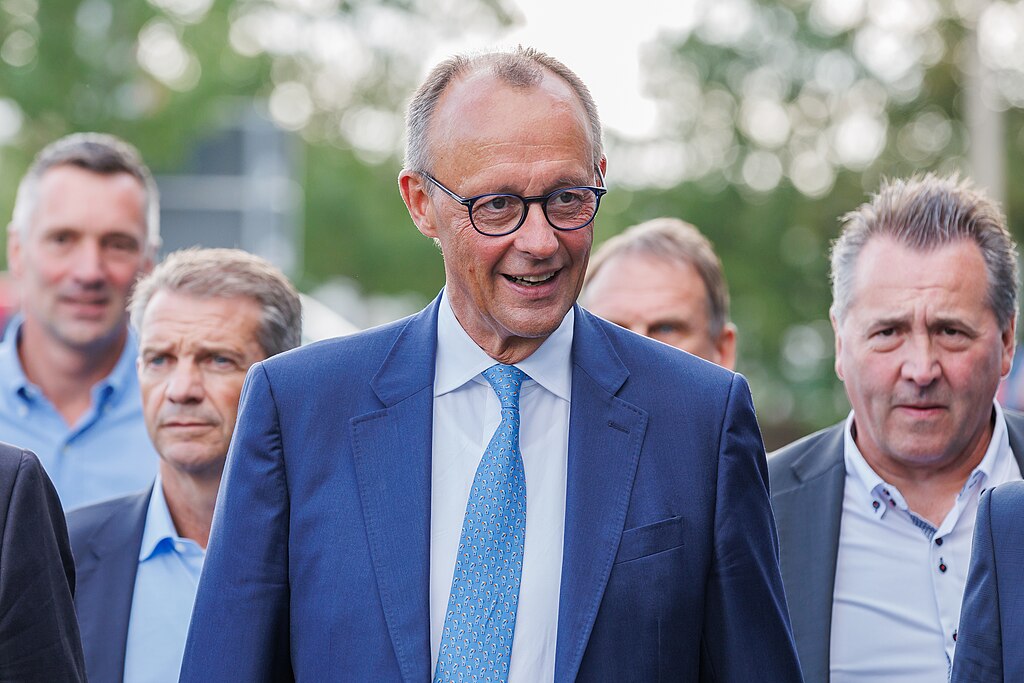
Friedrich Merz is poised to become Germany’s next chancellor after his conservative CDU/CSU bloc secured victory in the national election, defeating Chancellor Olaf Scholz’s struggling coalition. However, Merz faces tough coalition negotiations as the far-right Alternative for Germany (AfD) surged to a historic second place with 20.5% of the vote.
In a surprising shift, Merz, once seen as an Atlanticist, criticized U.S. influence, calling comments from Washington during the campaign "outrageous" and comparing them to Russian interference. He vowed to strengthen Europe’s autonomy, stating his priority is achieving “real independence” from the U.S. and even questioning NATO’s future in its current form.
Despite praise from former U.S. President Donald Trump, Merz emphasized that Europe must stand on its own, highlighting tensions between an assertive Russia and China and a confrontational U.S. His election comes amid Germany’s economic downturn, deep social divisions over immigration, and growing political instability.
The election results signal a fractured political landscape. Scholz’s Social Democrats (SPD) plummeted to 16.5%, their worst result since World War II, while the Greens secured 11.8%. The leftist Die Linke party gained traction with 8.7%, and smaller parties like the FDP and the new Sahra Wagenknecht Alliance hover around the 5% threshold.
Merz must now navigate complex coalition talks to secure a majority, with potential instability threatening Germany’s ability to lead Europe effectively. A prolonged negotiation process could leave Scholz in a caretaker role for months, stalling critical economic reforms.
With voter turnout at 83%, the highest since reunification, the election underscores a major shift in Germany’s political landscape, with rising nationalist sentiment and uncertainty over the country's future direction.







