


 Trump Says “Very Good Talks” Underway on Russia-Ukraine War as Peace Efforts Continue
  China Warns US Arms Sales to Taiwan Could Disrupt Trump’s Planned Visit
  Trump Signs Executive Order Threatening 25% Tariffs on Countries Trading With Iran
  India–U.S. Interim Trade Pact Cuts Auto Tariffs but Leaves Tesla Out
  U.S. Announces Additional $6 Million in Humanitarian Aid to Cuba Amid Oil Sanctions and Fuel Shortages
  Trump Signs “America First Arms Transfer Strategy” to Prioritize U.S. Weapons Sales
  Jack Lang Resigns as Head of Arab World Institute Amid Epstein Controversy
  TrumpRx.gov Highlights GLP-1 Drug Discounts but Offers Limited Savings for Most Americans
  Japan Election 2026: Sanae Takaichi Poised for Landslide Win Despite Record Snowfall
  New York Legalizes Medical Aid in Dying for Terminally Ill Patients
  U.S.-India Trade Framework Signals Major Shift in Tariffs, Energy, and Supply Chains
  Trump Lifts 25% Tariff on Indian Goods in Strategic U.S.–India Trade and Energy Deal
  Federal Judge Restores Funding for Gateway Rail Tunnel Project
  US Pushes Ukraine-Russia Peace Talks Before Summer Amid Escalating Attacks
  Ohio Man Indicted for Alleged Threat Against Vice President JD Vance, Faces Additional Federal Charges
  Iran–U.S. Nuclear Talks in Oman Face Major Hurdles Amid Rising Regional Tensions
  Missouri Judge Dismisses Lawsuit Challenging Starbucks’ Diversity and Inclusion Policies


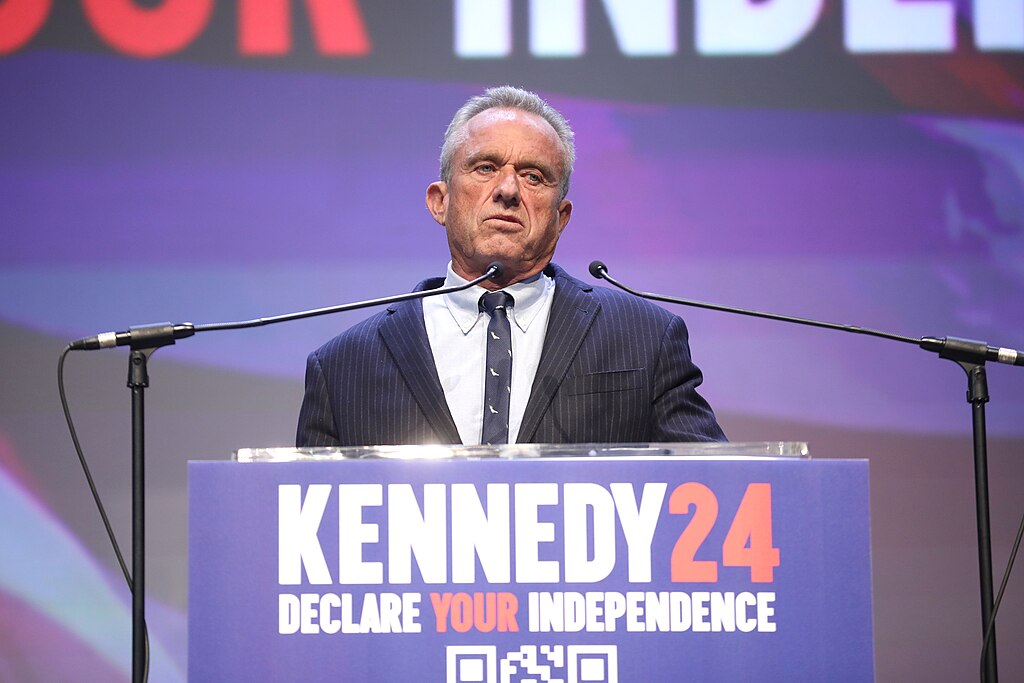
The U.S. Supreme Court has decided not to remove Robert F. Kennedy Jr.'s name from the presidential ballots in Wisconsin and Michigan, marking the latest legal setback for the former candidate. Kennedy, who previously withdrew his candidacy and endorsed former President Donald Trump, argued that keeping his name on the ballot was a violation of his First Amendment rights, which protect against compelled speech. He contended that his supporters could face confusion and frustration as a result of his forced appearance on ballots, complicating the election dynamics in these battleground states.
Kennedy’s appeal to the Supreme Court came after a series of denials from both state and federal courts. Wisconsin and Michigan, having already printed ballots with his name, resisted changes that could interfere with the voting process just weeks before Election Day. The election authorities argued that making last-minute adjustments, such as placing stickers over Kennedy’s name on the ballots, would create “chaos” and increase the risk of voter confusion.
The Wisconsin Election Commission emphasized the logistical challenges of altering ballots at this stage, noting that millions of ballots had already been distributed or submitted. According to Michigan Secretary of State Jocelyn Benson, ballot modifications would now be virtually impossible, citing the volume of completed votes. The courts also rejected Kennedy’s proposed sticker solution for Wisconsin ballots, asserting that implementing this at scale was unfeasible without causing disruptions.
Kennedy argued in his legal filings that requiring him to appear on the ballot “forces him to campaign against his own will,” a claim that received limited support in the judiciary. The Sixth Circuit Court of Appeals previously rejected his request, reasoning that his claims did not satisfy the legal standards required to overturn the earlier decisions and had already been addressed in previous litigation.
Notably, Supreme Court Justice Neil Gorsuch dissented, expressing support for removing Kennedy’s name from the Michigan ballot, aligning himself with the views of three conservative judges on the Sixth Circuit Court who believed that the Michigan Secretary of State should have taken Kennedy’s name off the ballot. However, this opinion did not sway the court’s final decision, which left Kennedy’s name on ballots in both states.
This legal decision underscores the complexities of managing election protocols and candidates’ rights in tight timelines. The ruling now locks in Kennedy’s name for voters in both states, a presence that could influence the outcome in these key battleground regions. While Kennedy’s name remains, the Supreme Court’s decision aligns with the “Purcell principle,” a judicial doctrine that discourages last-minute changes to election procedures that could potentially disrupt or confuse the voting process. For Kennedy, however, this could mean facing the very scenario he sought to avoid — a nominal campaign without his active participation.













