


 Judge Dismisses Elon Musk’s Fraud Claims Against OpenAI, Trial to Proceed on Remaining Allegations
  TikTok Nears $400 Million Settlement With Trump Administration Over Child Privacy Lawsuit
  Trump Administration Files Fraud Charges Against Southern Poverty Law Center Over Informant Payments
  Warren Buffett and Stephen Curry Charity Dinner Auction Raises $27 Million for Nonprofits
  Sinaloa Governor Ruben Rocha Denies U.S. Cartel Allegations, Calls Charges Political
  EQT Launches $3.76 Billion Take-Private Deal for Kakaku.com as Shares Surge
  Federal Appeals Court Allows Texas SB4 Immigration Law Enforcement to Proceed
  Taiwan Court Fines Tokyo Electron Unit $4.78M in Major TSMC Trade Secrets Case
  Kuaishou Stock Jumps on Kling AI IPO Plans and $20 Billion Valuation
  Samsung Shares Slide as Wage Talks Collapse, Raising Strike Fears
  Trump-Xi Summit Sparks Renewed Hope for Americans Detained in China
  Trump DOJ Accuses Yale Medical School of Racial Bias in Admissions
  Supreme Court Asked to Reinstate Mail-Order Access to Abortion Pill Mifepristone
  Coles “Down Down” Ruling Sparks Fresh Scrutiny of Australian Supermarket Pricing
  Florida Investigates OpenAI and ChatGPT Over Alleged Role in FSU Shooting
  DOJ Ends Probe Into Fed Chair Jerome Powell, Boosting Kevin Warsh Confirmation Prospects


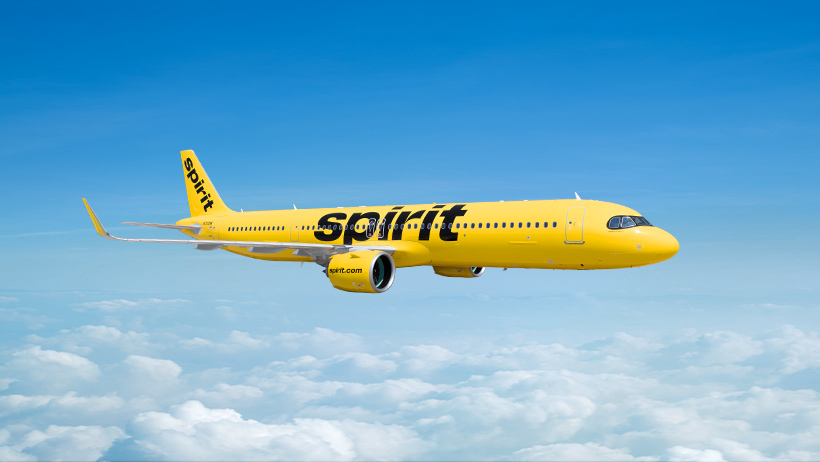
In a recent decision, U.S. District Judge William Young in Boston has blocked JetBlue Airways' planned $3.8-billion acquisition of Spirit Airlines. The judge agreed with the U.S. Department of Justice, stating that the deal was anticompetitive and would harm ticket buyers.
This ruling, Reuters noted, marks a victory for the White House in its efforts to prevent further consolidation in the U.S. airline industry.
Impact on the Market
The Associated Press reported that the acquisition would have created a merged entity that controls 10.2% of the domestic market, challenging larger carriers' dominance. However, Judge Young recognized that the deal would likely increase competitive pressure on these larger carriers.
Despite this, he highlighted the harm that would befall Spirit Airlines and its unique, low-price model. This ruling raises concerns about the viability of other proposed mergers within the industry.
Elimination of Low Fares
Judge Young noted that the acquisition would eliminate Spirit Airlines' low fares and its ability to pressure other airlines, including JetBlue, to reduce prices. When Spirit enters a market, rivals typically lower prices by 7% to 11%. Consumers value this unique, economical product option, and its removal is seen as a tangible harm.
President Joe Biden hailed the ruling as a victory for consumers, emphasizing the importance of lower prices and more choices. Spirit Airlines' future is questioned as the carrier has struggled financially due to rising operating costs and persistent supply chain issues. The ruling led to a significant drop in Spirit's shares and a slight increase in JetBlue's shares.
The Courthouse Doors Remain Open
Both JetBlue and Spirit Airlines have the option to appeal the ruling. While the ruling favors the Justice Department, Judge Young did not completely bar any combination of the two companies. He said the deal could be revisited if additional asset divestitures are made.
This ruling has broader implications for the U.S. airline industry and its ongoing consolidation efforts. It signifies a concerted effort to protect fair competition and prevent further concentration of market power. The fate of other proposed mergers, such as Alaska Air's acquisition of Hawaiian Airlines, may now be scrutinized.
Judge Young clarified that the courthouse doors remain open should the defendant airlines choose to pursue the deal again. This leaves room for future negotiations or modified proposals that address anticompetitive concerns and protect consumer interests.







