


 Yen in Focus as BOJ, Fed Rate Hikes Reshape Currency Markets
  Trump Eyes $54 Billion South Korean Investment in Alaska LNG
  BOJ Raises Interest Rate to 31-Year High as Yen Weakens
  ECB May Stop Rate Hikes After December, Capital Economics Says
  Fed’s Williams Signals One More Rate Hike Before Year-End
  RBA Set for September Rate Hike as Inflation Stays High
  U.S. Stock Futures Fall as Iran, Oil and AI Risks Rattle Markets
  Asian Chip Stocks Tumble as OpenAI Safety Pause Sparks AI Growth Concerns
  Fed Unveils Stablecoin Rules Under GENIUS Act
  Gold Holds Near Seven-Week Low as Fed Rate Hike Bets Rise
  Gold Plunges 4% as Treasury Yields Surge and Fed Rate Hike Bets Rise
  BOJ Flags Import Costs and Yen Shocks as Persistent Inflation Risks
  RBI Uses $10 Billion Currency Swaps to Drain Excess Rupee Liquidity


 Add as a preferred source on Google
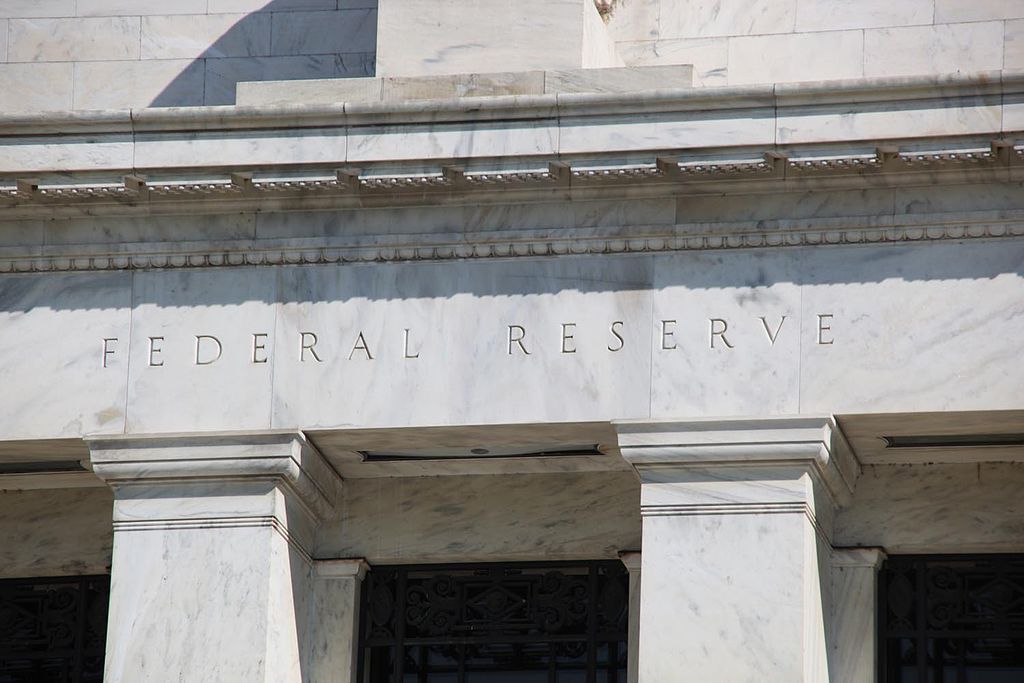
Federal Reserve Bank of San Francisco President Mary Daly said she supported cutting interest rates at this week’s Federal Open Market Committee (FOMC) meeting, highlighting the central bank’s effort to carefully balance inflation control with protecting the U.S. job market. In a LinkedIn post shared on Friday, Daly explained that the decision to lower rates was difficult, given the competing economic pressures facing policymakers.
According to Daly, inflation remains above the Federal Reserve’s target, while signs of softness are beginning to appear in the labor market. This combination, she said, creates a challenging policy environment where the Fed must act cautiously to avoid worsening either problem. Daly emphasized that while price stability is a critical goal, the central bank “cannot let the labor market falter,” underscoring the Fed’s dual mandate of managing inflation and supporting maximum employment.
The Federal Reserve approved a quarter-percentage-point interest rate cut on Wednesday, a move Daly described as placing the economy “in a good place.” She noted that the rate cut provides flexibility for policymakers to continue making progress on lowering inflation without putting unnecessary strain on businesses or workers. By easing borrowing costs, the Fed aims to support economic activity and hiring while still maintaining a restrictive enough stance to curb persistent price pressures.
Daly’s comments reflect broader debates within the Federal Reserve as officials assess how long high interest rates should remain in place. With inflation showing gradual improvement but not yet fully under control, and job growth slowing from its earlier strength, the Fed faces difficult trade-offs in setting monetary policy. Daly acknowledged these tensions, writing that the FOMC decision was not an easy choice, but one made with careful consideration of evolving economic data.
Her remarks also signal that the Fed is closely monitoring labor market conditions as it adjusts interest rates. As investors and businesses look ahead to future FOMC meetings, Daly’s support for the recent rate cut reinforces expectations that the Federal Reserve is shifting toward a more balanced, data-driven approach aimed at sustaining economic growth while continuing the fight against inflation.







