


 RBI Uses $10 Billion Currency Swaps to Drain Excess Rupee Liquidity
  Asian Stocks Rise as Bond Yields Ease Ahead of U.S. Inflation Data
  Yen in Focus as BOJ, Fed Rate Hikes Reshape Currency Markets
  BOJ Signals Faster Rate Hikes as Inflation Risks Grow
  Dollar Eases Near Two-Month High as Yen Rebounds
  Asian Currencies Weaken as Dollar, Oil Prices Rise
  Gold Rebounds as Oil Falls and Treasury Rout Eases
  BlackRock’s Rick Rieder Favors Bonds Over Stocks as Treasury Yields Surge
  RBA Set for September Rate Hike as Inflation Stays High
  Japan Warns Markets Over Yen Weakness
  Gold Holds Near Seven-Week Low as Fed Rate Hike Bets Rise
  China Cuts Tariffs on U.S. Farm Goods but Excludes Soybeans
  Global Central Banks Brace for More Rate Hikes as Inflation Risks Rise
  UK Housebuilder Stocks Surge on New First-Time Buyer Loan Scheme


 Add as a preferred source on Google
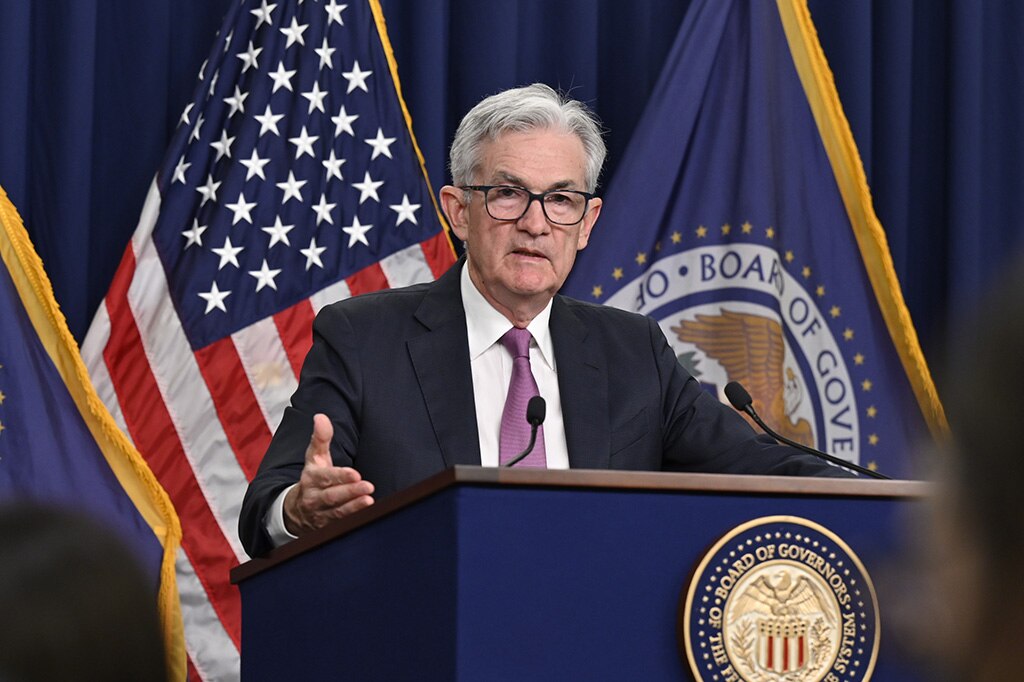
Recent comments from Federal Reserve officials reveal deepening divisions over whether further rate cuts are needed this year, with inflation remaining above the central bank’s 2% target.
Atlanta Fed President Raphael Bostic backed the latest quarter-point cut but dismissed the need for more easing in 2025, stressing that inflation risks outweigh growth concerns. St. Louis Fed President Alberto Musalem agreed, calling the move a “precautionary step” to support jobs but warning that additional cuts could make policy too loose. Cleveland Fed President Beth Hammack also favored caution, citing inflationary pressures despite a resilient labor market.
On the other hand, Fed Governor Stephen Miran, who dissented at September’s meeting, argued for sharper cuts, insisting policy remains overly restrictive and poses risks to employment. He suggested rates should be nearly two percentage points lower. Richmond Fed President Thomas Barkin highlighted tariff-related inflation and weak labor force growth as ongoing challenges.
Fed Chair Jerome Powell described the September cut as a “maintenance cut” to guard against labor market weakness but stressed that further reductions would require stronger justification. Economists at Stifel noted the Fed faces a delicate balance, with persistent inflation limiting its ability to ease further, yet risks to growth keeping the door open for potential action.
The Fed began cutting rates in September last year, delivering 100 basis points in easing by the end of 2024. While some policymakers are willing to tolerate higher inflation to engineer a “soft landing,” others warn that undermining price stability could threaten long-term credibility.
At its core, the debate reflects the Fed’s ongoing struggle to balance fighting inflation with supporting the labor market, leaving markets uncertain about the path of U.S. monetary policy.







