


 Trump Eyes $54 Billion South Korean Investment in Alaska LNG
  Polymarket Traders Bet on Trump AI Rename to ‘Super Intelligence’
  BOJ Signals Faster Rate Hikes as Inflation Risks Grow
  US Appeals Court Keeps Trump IRS Case Sanctions in Place
  Oil Prices Steady as Middle East Crude Flows Recover
  Fed’s Williams Signals One More Rate Hike Before Year-End
  Gold Rebounds as Oil Falls and Treasury Rout Eases
  Judge Blocks Trump Election Conditions on Counterterrorism Grants
  US Sanctions Iran Weapons Procurement Network
  US Troops Set to Complete Iraq Withdrawal as Iran Influence Grows
  UK Housebuilder Stocks Surge on New First-Time Buyer Loan Scheme
  Fed Unveils Stablecoin Rules Under GENIUS Act
  Nvidia China Chip Sales Report Sends Chinese Semiconductor Stocks Lower
  Senate Democrats Say Tether USDT Helps Iran Evade Sanctions
  Gold Holds Near Seven-Week Low as Fed Rate Hike Bets Rise


 Add as a preferred source on Google
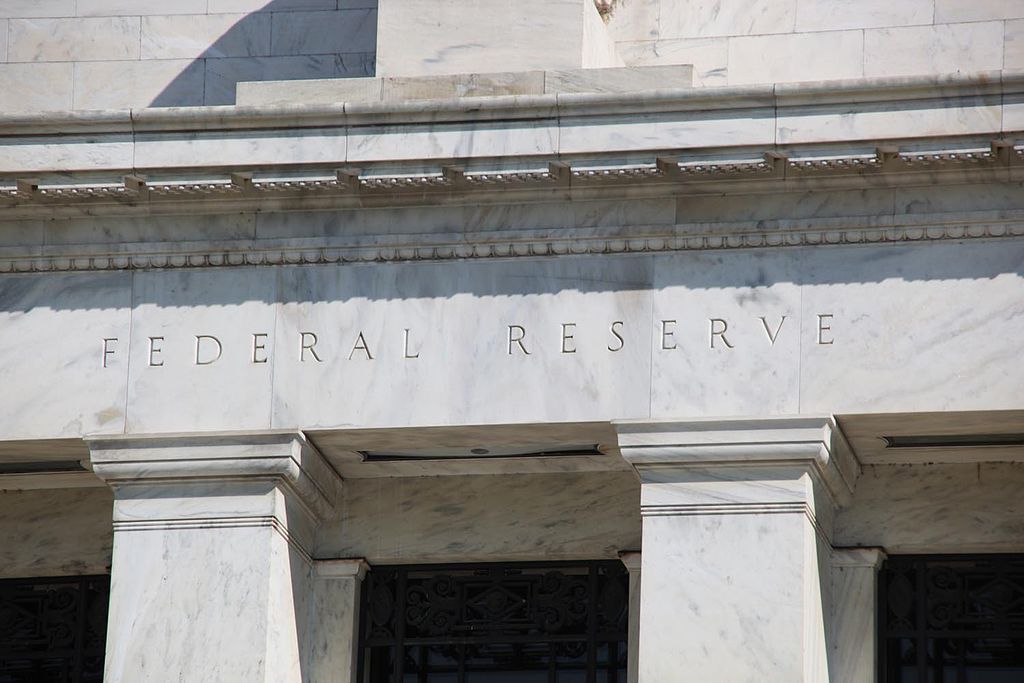
The Federal Reserve is maintaining current interest rates as officials assess the economic impact of President Donald Trump’s escalating tariffs and trade policies. Fed policymakers, including Chicago Fed President Austan Goolsbee, highlighted the difficulty of interpreting mixed economic signals, with Goolsbee stating, “We’re still kind of holding our breath,” in an NPR interview.
April’s consumer price index showed a modest 2.3% annual increase—its slowest pace in four years—mainly due to falling food prices. However, core inflation, excluding food and energy, remained elevated at 2.8%, signaling persistent pressure above the Fed’s 2% target.
Despite this, Fed Chair Jerome Powell and other officials have reiterated a cautious approach. The central bank has kept rates steady in the 4.25%-4.50% range across its three meetings this year, emphasizing the need for patience.
San Francisco Fed President Mary Daly reinforced this stance, citing regional business resilience despite trade-related uncertainty. Daly noted that while areas like Nevada feel pressure from potential declines in international tourism, others, including Utah and Alaska, maintain robust pipelines of economic activity.
Vice Chair Philip Jefferson echoed similar sentiments, suggesting that first-quarter GDP contraction was overstated due to import data distortions. He acknowledged weakening business sentiment but still views the labor market as strong.
However, Jefferson warned that sustained tariffs could reverse progress on disinflation, potentially driving prices higher. The impact will depend on consumer price pass-through, supply chain shifts, and broader economic dynamics.
Markets anticipate the Fed may pivot to rate cuts by September, depending on incoming data. Until then, the Fed remains on hold, closely monitoring inflation trends, trade policy, and consumer confidence as it navigates a highly uncertain economic landscape.







